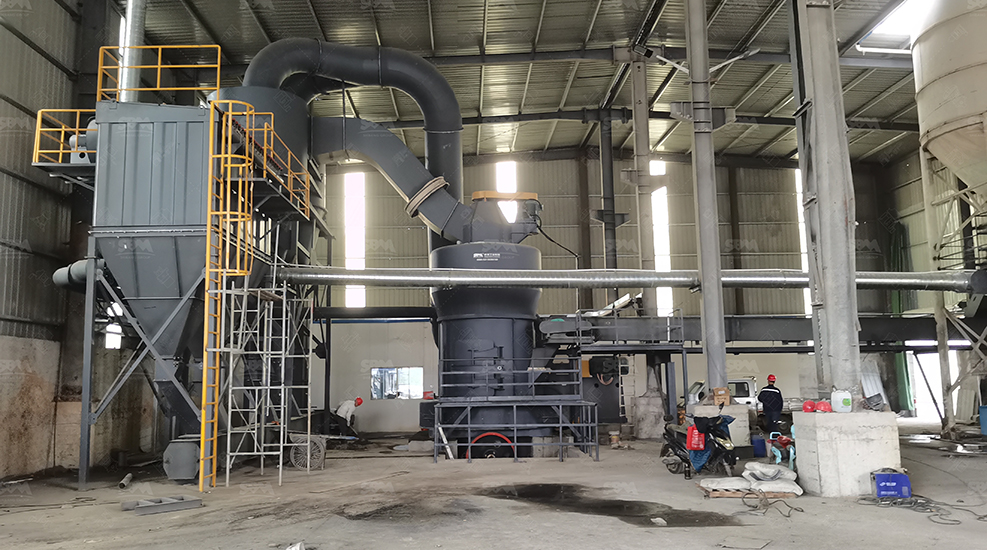
The ceramic industry in Laos is experiencing significant growth, driven by both domestic demand and export opportunities. A key raw material in this sector is talc, a hydrated magnesium silicate mineral prized for its unique properties. When finely ground, talc acts as a flux in ceramic bodies, lowering the firing temperature and reducing energy costs. It also improves the whiteness, thermal shock resistance, and mechanical strength of the final ceramic products, such as tiles, sanitaryware, and tableware. To achieve these benefits, the talc must be processed into a consistent, ultra-fine powder, typically ranging from 200 to 1250 mesh. This places stringent demands on the grinding equipment used, requiring not only precise fineness control but also reliable operation and energy efficiency for a production target of 20-30 tons per hour (TPH).
Grinding talc to the specifications required for high-quality ceramics presents several specific challenges. First, talc is a soft, plate-like mineral with a Mohs hardness of 1. This can lead to agglomeration and clogging in inefficient mills. Second, maintaining a consistent particle size distribution is critical; overly coarse particles can cause defects in the ceramic body, while excessive fines can alter the rheology of the slurry. Third, the process must be energy-efficient and environmentally friendly to ensure economic viability. Finally, for operations in Laos, equipment reliability, ease of maintenance, and access to technical support are paramount considerations to ensure uninterrupted production.
For a 20-30 TPH talc grinding line catering to the ceramic industry, the ideal mill must meet several criteria:
After a thorough analysis of the requirements, Shanghai Zenith Machinery Co., Ltd., an excellent manufacturer of ore and industrial powder grinding equipment, recommends its LM Vertical Grinding Mill as the optimal solution for this application. Zenith has made great achievements in the field of ultra-fine powder grinding, and the LM series represents the pinnacle of integrated, efficient milling technology.
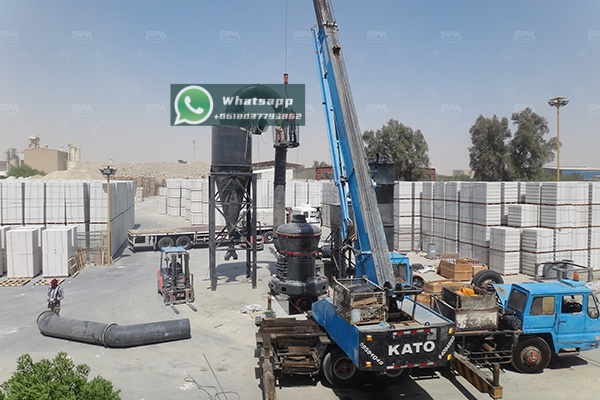
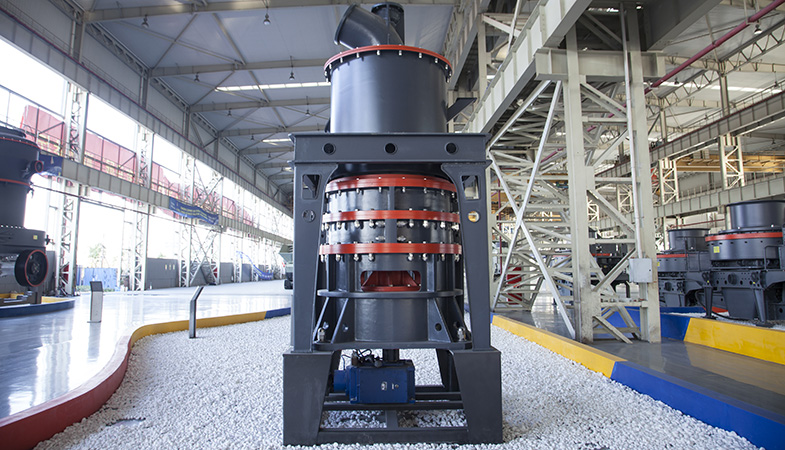
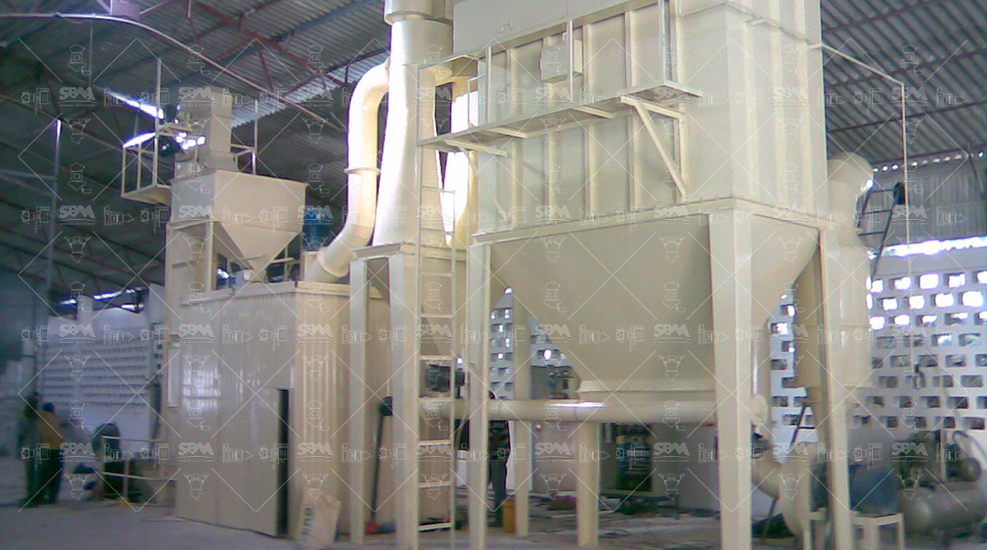
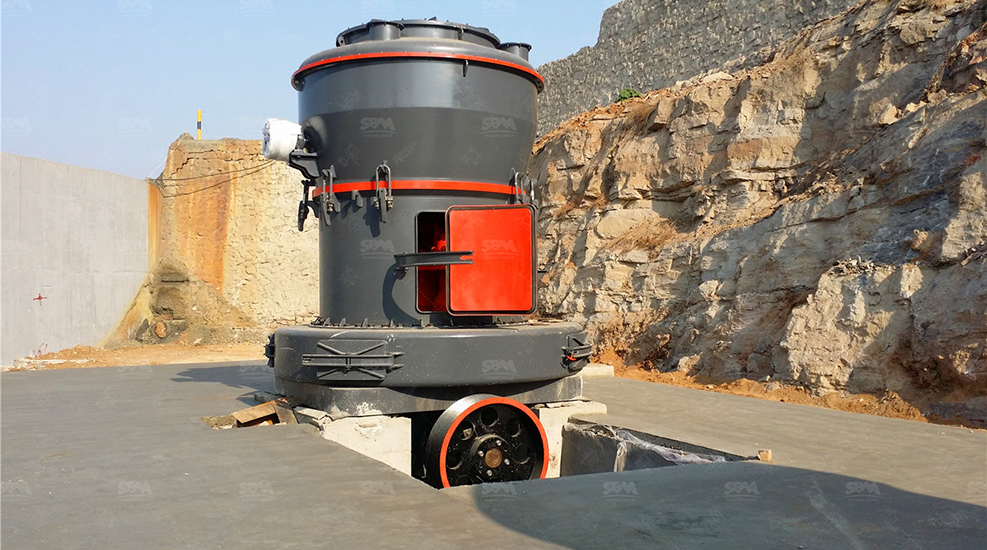
The LM Vertical Grinding Mill integrates five functions—crushing, grinding, powder selection, drying, and material conveying—into a single, compact unit. Its vertical structure occupies a small area, which is beneficial for plant layout. The grinding roller grinds materials directly on the grinding plate, consuming less energy. The integrated classifier ensures that only particles meeting the fineness requirement leave the mill, while coarse particles are returned for further grinding, guaranteeing a stable and high-quality product—an essential factor for ceramic production.
For a 20-30 TPH talc grinding project in Laos, the LM190K model is particularly well-suited. Its technical parameters align perfectly with the project’s needs.
| Model | Plate Diameter (mm) | Capacity (t/h) | Output Fineness (μm) | Max Feed Size (mm) | Main Motor (kW) |
|---|---|---|---|---|---|
| LM190K | 1900 | 23-68 | 170-40 (approx. 90-400 mesh) | <45 | 500 |
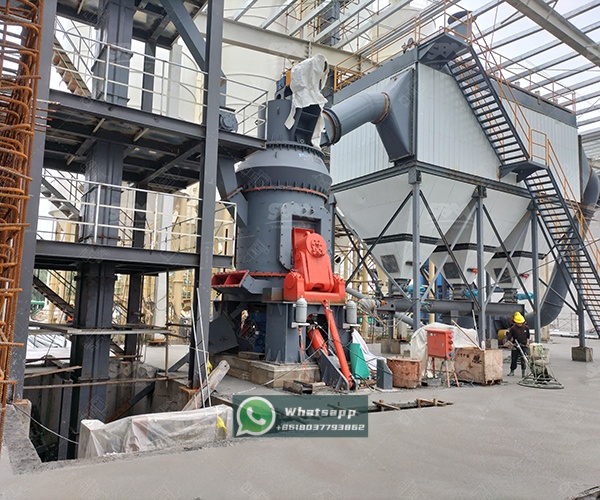
The capacity range of 23-68 TPH comfortably encompasses the 20-30 TPH target, providing operational flexibility. The output fineness of 170-40 microns (adjustable via classifier speed) covers the core range needed for ceramic talc. Furthermore, the mill’s ability to handle a feed size of up to 45mm simplifies the preceding crushing circuit.
For producers who require an even finer product at the upper end of the fineness spectrum (e.g., 800-1250 mesh for specialty ceramics), or for whom a slightly lower base capacity is acceptable, Zenith’s XZM Ultrafine Grinding Mill is an outstanding alternative. It is widely used for superfine powder production and is excellent for grinding soft materials like talc.
The XZM series achieves remarkable fineness, up to 2500 mesh, through an optimized grinding chamber and high-efficiency classifier. It is also known for its reliable performance and smooth operation.
| Model | Working Diameter (mm) | Max Feed Size (mm) | Final Size (mesh) | Output (kg/h) | Main Motor Power (kW) |
|---|---|---|---|---|---|
| XZM221 | Φ800 | ≤20 | 325-2500 | 500-4500 | 75 |
While the XZM221’s output of 0.5-4.5 TPH is below the 20-30 TPH target, this highlights an important consideration: for high-capacity, ultra-fine production, multiple units can be deployed in parallel. Alternatively, a two-stage process could be considered, where an LM Vertical Mill performs the primary grinding to a medium fineness, followed by an XZM mill for final ultra-fine polishing. Zenith’s expertise allows for the design of such tailored solutions.
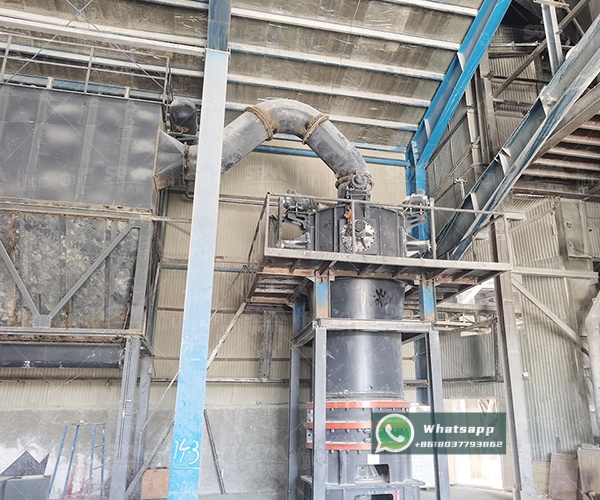
Shanghai Zenith Machinery Co., Ltd. is not just an equipment supplier but a solution provider. Choosing Zenith for a talc grinding project in Laos offers distinct advantages:
Establishing a reliable and efficient 20-30 TPH talc grinding line is a strategic investment for ceramic manufacturers in Laos. The choice of grinding technology is central to its success. Shanghai Zenith Machinery Co., Ltd.’s LM Vertical Grinding Mill (LM190K model) stands out as a robust, integrated, and highly efficient solution that perfectly matches the capacity and quality requirements. For producers targeting the ultra-fine powder niche, the XZM Ultrafine Grinding Mill offers unparalleled fineness control. By partnering with Zenith, Laotian ceramic enterprises can secure a competitive edge through superior raw material processing, leading to higher quality products and improved profitability in the growing regional market.