The engineered stone industry in Nigeria is experiencing significant growth, driven by construction booms and a rising demand for high-quality, durable surfaces for kitchens, bathrooms, and commercial spaces. At the heart of producing these quartz-based or polymer-based composites is the quality of the filler powder, primarily talc. For premium engineered stone, the talc filler must be exceptionally fine, uniform, and chemically inert. Achieving a consistent 1000 mesh (approximately 13 microns) fineness is not just a preference but a critical requirement that dictates the final product’s strength, aesthetic appeal, and resistance to staining. This article explores the technical challenges of ultra-fine talc grinding for the Nigerian market and presents advanced milling solutions.
Talc, a hydrated magnesium silicate, is prized as a filler in engineered stone for its softness, whiteness, chemical stability, and plate-like structure. When ground to 1000 mesh, it exhibits several key benefits:
Grinding talc to this specification in Nigeria’s often challenging operational environments—with potential issues like inconsistent power supply and the need for low-maintenance equipment—requires robust, efficient, and technologically advanced milling machinery.
The journey from raw talc lumps to 1000 mesh powder presents specific hurdles:
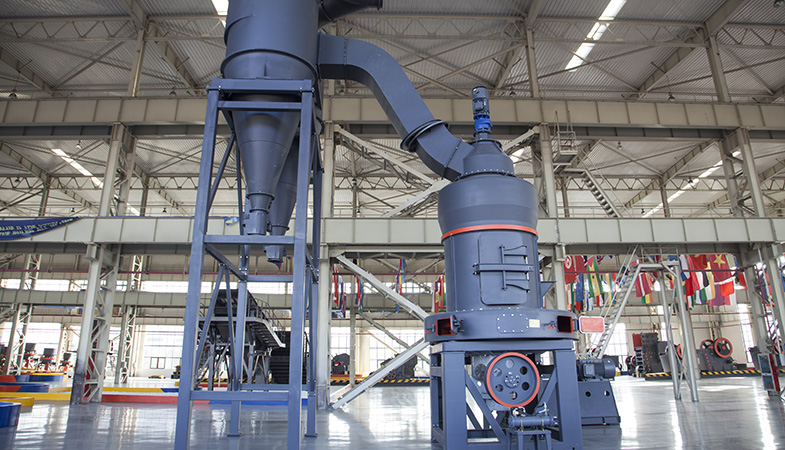
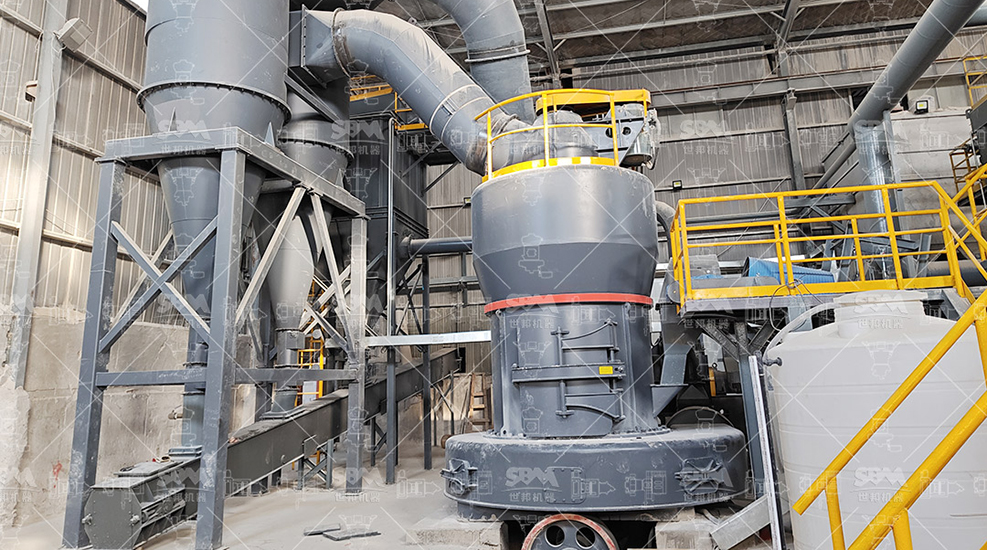
To overcome these challenges, Nigerian engineered stone manufacturers need mills that combine high-efficiency classification, precise temperature control, and robust construction. Traditional ball mills or Raymond mills often fall short in efficiency and fineness control for 1000 mesh production. The industry is increasingly turning to vertical roller mills and ultra-fine grinding mills designed specifically for such applications.
Shanghai Zenith Machinery Co., Ltd., an excellent manufacturer of ore and industrial powder grinding equipment, has made great achievements in the field of ultra-fine powder grinding. With specialization in the research, development, and production of industrial grinding equipment, Zenith offers solutions that are perfectly suited for the demanding task of producing 1000 mesh talc powder.
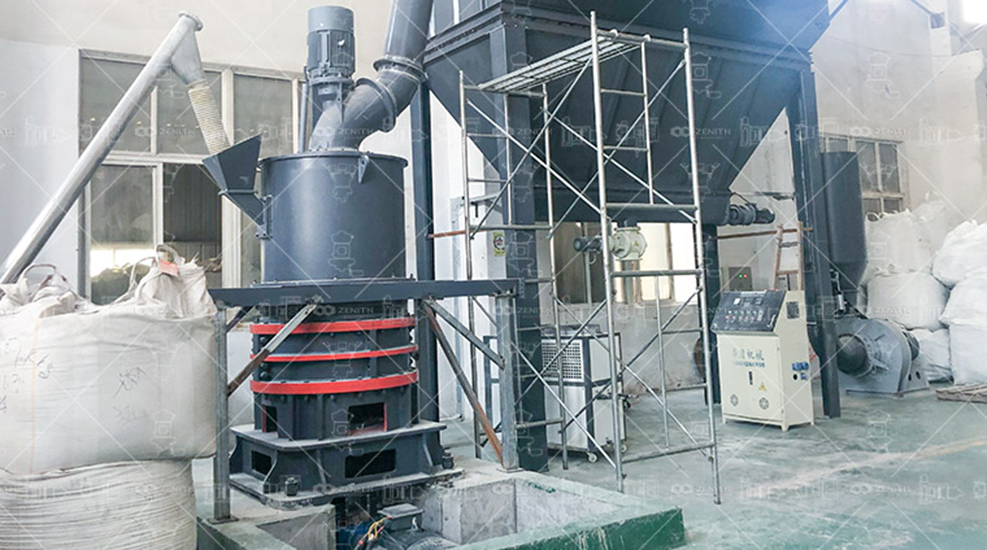
For Nigerian plants focused specifically on high-volume production of 1000 mesh talc, the XZM Ultrafine Grinding Mill is an outstanding choice. It is widely used for superfine powder production and is particularly effective for soft materials like talc. Its integrated dynamic classifier ensures precise particle size control, directly addressing the 1000 mesh requirement.
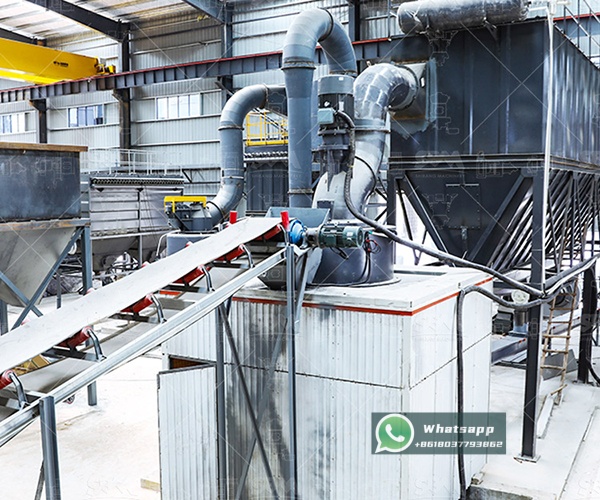
The table below outlines the key technical parameters of two XZM models suitable for this application:
| Model | Working Diameter (mm) | Max Feed Size (mm) | Final Size (mesh) | Output (kg/h) | Main Motor Power (kW) |
|---|---|---|---|---|---|
| XZM221 | Φ800 | ≤20 | 325-2500 | 500-4500 | 75 |
| XZM268 | Φ1680 | ≤20 | 325-2500 | 5000-25000 | 315 |
The XZM mill’s ability to produce powder in the range of 325-2500 mesh makes hitting the 1000 mesh target reliable and efficient. Its design minimizes over-grinding and effectively manages heat, preserving the quality of the talc.
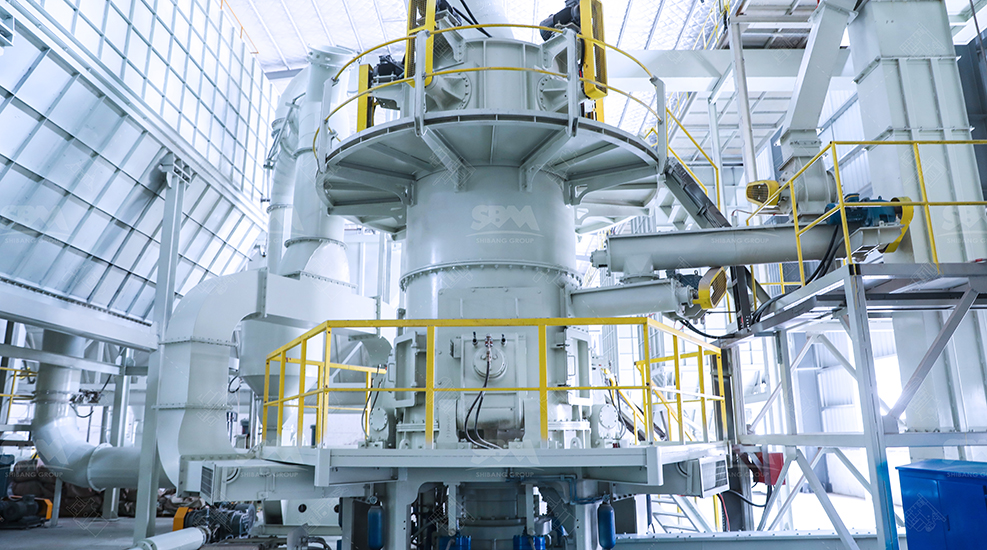
For larger-scale operations or those seeking the utmost in efficiency and system integration, Zenith’s LUM Ultrafine Vertical Mill represents the cutting edge. It integrates grinding, drying, classifying, and conveying into a single, compact unit. Its advanced German technology roller grinding principle and intelligent control system make it ideal for producing high-content end-fines with remarkable stability and low energy consumption.
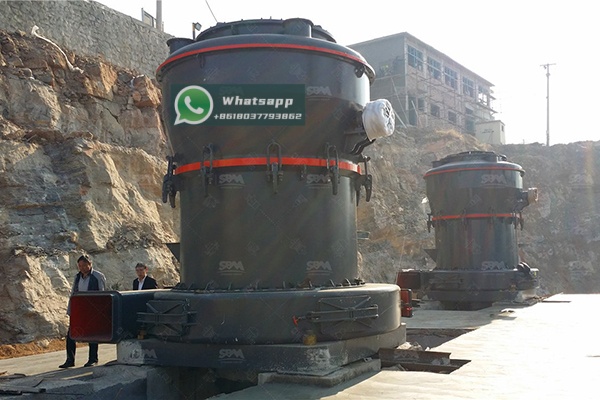
Key parameters for the LUM series relevant to talc grinding are:
| Model | Main Machine Power (kW) | Capacity (t/h) | Size Distribution D97 (μm) |
|---|---|---|---|
| LUM1525 | 220-250 | 1.6-11.5 | 5-30 (approx. 600-2500 mesh) |
| LUM1632 | 280-315 | 2.0-13.5 | 5-30 |
With a D97 of 5-30 microns (easily covering 1000 mesh/13 microns), the LUM mill offers exceptional control. Its vertical structure occupies less space—a significant advantage for plant layout—and its low wear rate ensures product purity, a critical factor for engineered stone fillers.
Partnering with Shanghai Zenith Machinery provides Nigerian engineered stone producers with more than just equipment:
The success of Nigeria’s engineered stone industry hinges on the quality of its raw materials. Investing in the right talc grinding technology to consistently achieve 1000 mesh fineness is a strategic decision that pays dividends in product quality, market competitiveness, and operational profitability. Shanghai Zenith Machinery’s advanced mills, such as the XZM Ultrafine Grinding Mill and the LUM Ultrafine Vertical Mill, offer tailored, reliable, and efficient solutions to meet this precise need. By adopting such technology, Nigerian manufacturers can ensure their engineered stone products meet international standards and capture greater value in both domestic and export markets.