Vertical mills have revolutionized the industrial grinding sector with their compact design, energy efficiency, and superior grinding performance. At the heart of their operational efficiency lies the central feeding system, a critical component that ensures uniform material distribution, stable grinding bed formation, and optimal mill operation. This article provides a comprehensive technical analysis of central feeding systems in vertical mills, examining their design principles, operational mechanisms, and impact on overall grinding efficiency.
The central feeding system serves as the primary interface between material preparation and the grinding process in vertical mills. Unlike traditional horizontal mills where material enters from one side, vertical mills require a precisely controlled central feeding mechanism that distributes material evenly across the grinding table. This uniform distribution is crucial for maintaining stable grinding conditions and preventing uneven wear on grinding elements.
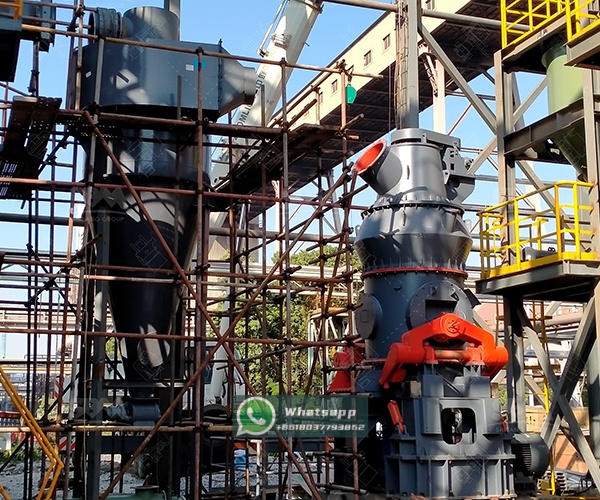
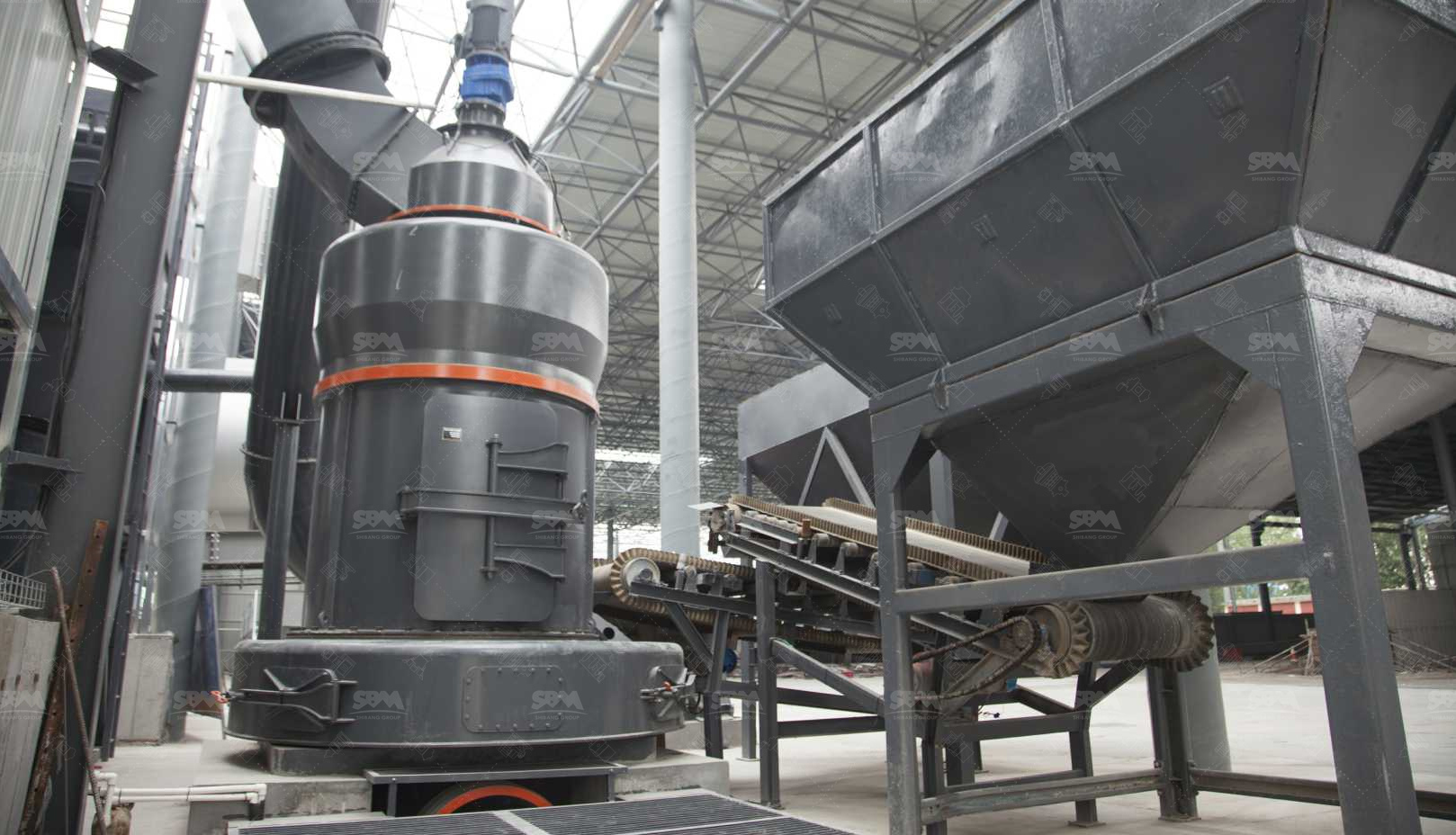
The feed hopper represents the initial receiving point for prepared materials. Modern designs incorporate carefully calculated angles and surfaces to prevent material bridging and ensure consistent flow. The transition from hopper to feed chute is engineered to maintain material velocity while minimizing wear through strategic use of wear-resistant liners and optimized geometry.
Rotary feeders serve dual purposes: they regulate material flow into the mill while maintaining the pressure differential between the mill interior and external environment. Advanced designs feature multiple blades with precise clearances to prevent air leakage and ensure consistent feeding rates. The selection of appropriate rotor speeds and blade configurations depends on material characteristics and required throughput.
Once material enters the mill chamber, distribution plates and deflectors direct the flow onto the grinding table. These components are strategically positioned to create an even material bed across the entire grinding surface. The angle and curvature of these elements are calculated based on material trajectory analysis and computational fluid dynamics simulations.
Different materials exhibit varying flow properties that significantly impact feeding system performance. Factors such as moisture content, particle size distribution, and material cohesiveness must be considered during system design. Materials with high moisture content require special attention to prevent clogging, while fine powders may necessitate additional aeration to maintain flowability.
The abrasive nature of many ground materials presents significant challenges for feeding system longevity. Strategic placement of wear-resistant materials, including ceramic liners, hardened steel components, and specialized coatings, extends service life and reduces maintenance requirements. The selection of appropriate wear protection depends on material abrasiveness and operational parameters.
In hot gas applications, feeding systems must accommodate significant temperature differentials while maintaining structural integrity and operational reliability. Thermal expansion calculations and appropriate material selection ensure consistent performance across the operating temperature range. Insulation and cooling strategies may be employed in extreme temperature applications.
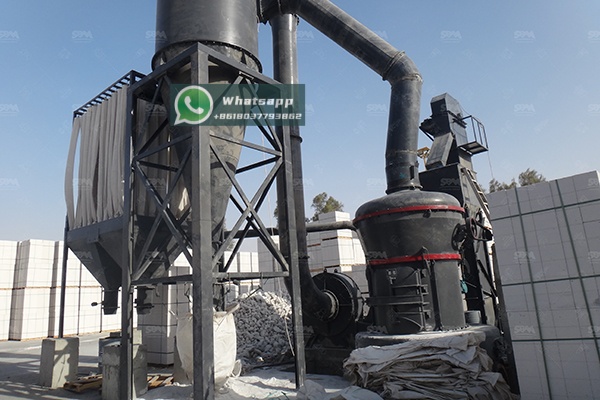
Modern vertical mills incorporate sophisticated control systems that continuously monitor and adjust feeding parameters. Load cells, level sensors, and flow meters provide real-time data to the mill control system, enabling automatic adjustments to maintain optimal grinding conditions. These systems can compensate for variations in material characteristics and process requirements.
The feeding system doesn’t operate in isolation but must be perfectly synchronized with other mill components. Advanced control algorithms coordinate feeding rates with grinding pressure, classifier speed, and gas flow to maintain stable operation and product quality. This integration is particularly critical during mill start-up, shutdown, and load changes.
Shanghai Zenith Machinery Co., Ltd., as an excellent manufacturer of ore grinding equipment, has developed advanced vertical mill solutions that incorporate state-of-the-art feeding systems. Our extensive research and development in ultra-fine powder grinding has resulted in feeding systems that deliver exceptional performance across diverse applications.
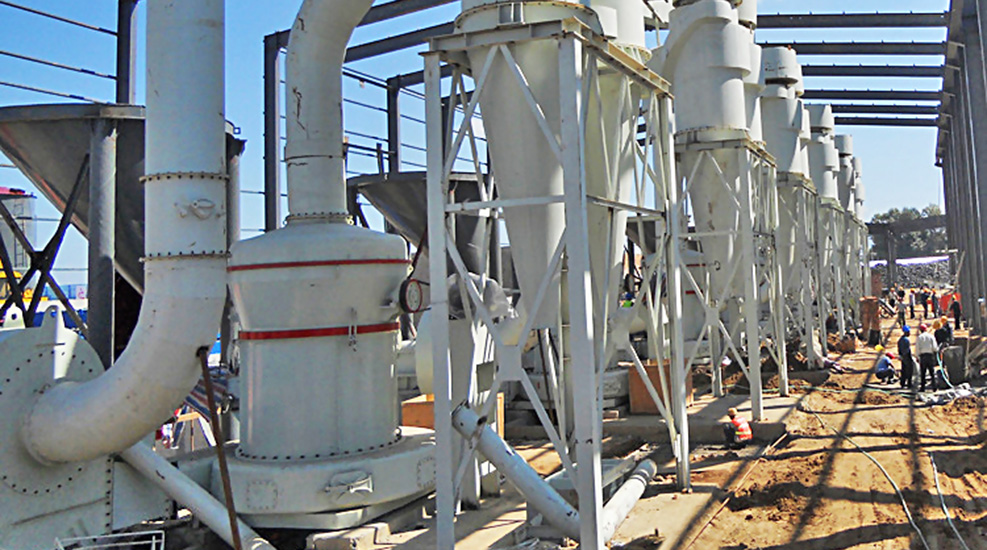
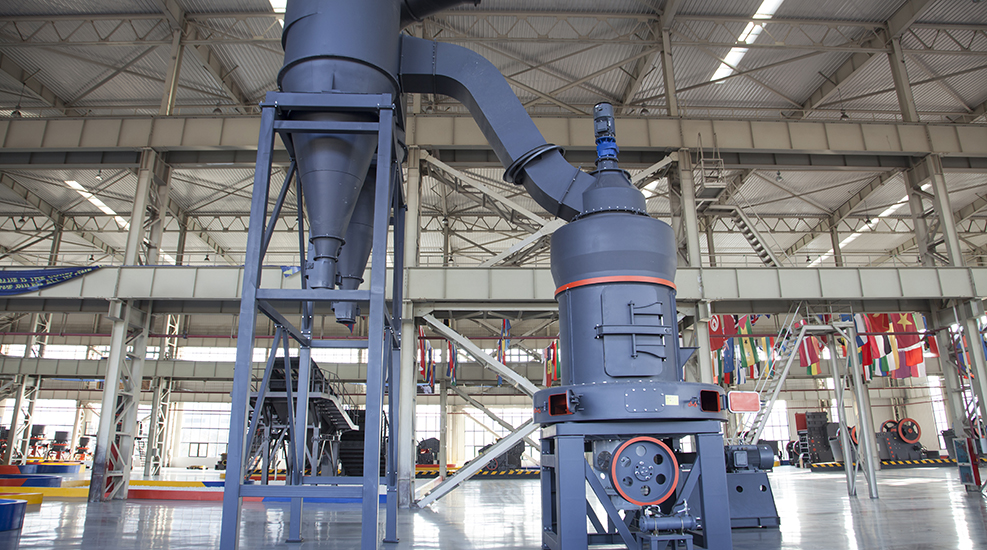
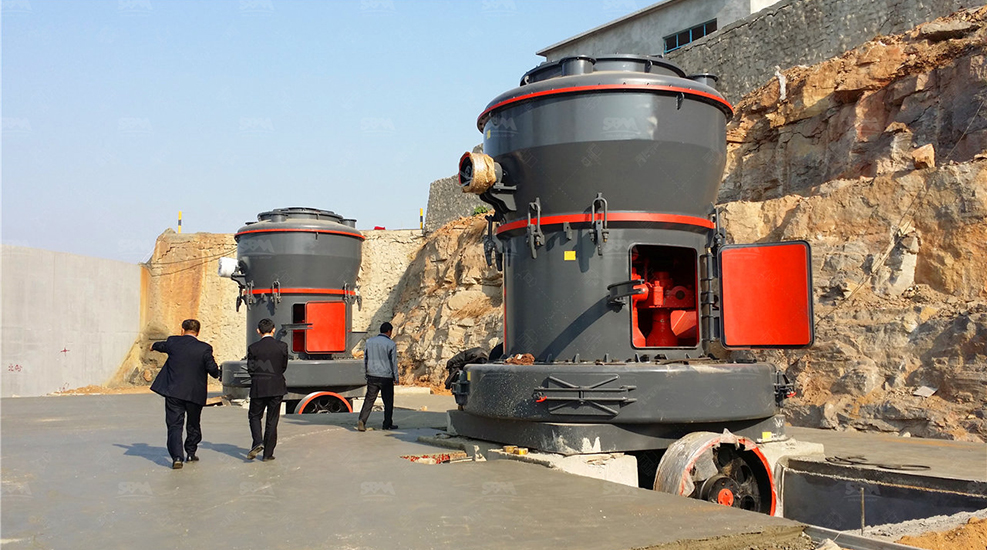
The LM Vertical Grinding Mill represents Zenith’s flagship vertical grinding solution, integrating five functions—crushing, grinding, powder selection, drying, and material conveying—into a single machine. The central feeding system in LM mills features advanced material distribution technology that ensures uniform grinding bed formation and optimal mill performance.
| Model | Plate diameter (mm) | Capacity (t/h) | Output fineness (μm) | Max feed size (mm) | Main motor (kW) |
|---|---|---|---|---|---|
| LM130K | 1300 | 10-28 | 170-40 | <38 | 200 |
| LM190K | 1900 | 23-68 | 170-40 | <45 | 500 |
| LM280K | 2800 | 50-170 | 170-45 | <50 | 1250 |
The feeding system in LM mills is specifically designed to handle the maximum feed sizes indicated while maintaining consistent flow and distribution. The integration of crushing functionality within the mill allows for direct feeding of larger material sizes, reducing pre-processing requirements and overall system complexity.
For applications requiring ultra-fine grinding, Zenith’s LUM Ultrafine Vertical Mill offers advanced feeding solutions tailored for fine powder processing. The feeding system incorporates special aeration and distribution features that prevent material segregation and ensure uniform feeding of fine materials.
| Model | Main machine power (kW) | Capacity (t/h) | Size distribution D97 (μm) |
|---|---|---|---|
| LUM1525 | 220-250 | 1.6-11.5 | 5-30 |
| LUM1632 | 280-315 | 2.0-13.5 | 5-30 |
| LUM1836 | 355-400 | 2.3-15 | 5-30 |
The LUM mill’s feeding system includes specialized components to handle the unique challenges of ultra-fine materials, including anti-segregation devices and precision flow control mechanisms. This ensures consistent product quality and stable mill operation even with challenging material characteristics.
Proper feeding system operation during mill start-up and shutdown is critical for equipment protection and process stability. Gradual ramp-up of feeding rates during start-up prevents grinding element contact and allows the mill to establish stable operating conditions. Similarly, controlled reduction of feed rates during shutdown ensures complete material processing and prevents material accumulation.
Regular inspection and maintenance of feeding system components are essential for long-term reliability. Key maintenance activities include wear liner inspection and replacement, clearance verification in rotary feeders, and distribution component alignment checks. Preventive maintenance schedules should be established based on operating hours and material abrasiveness.
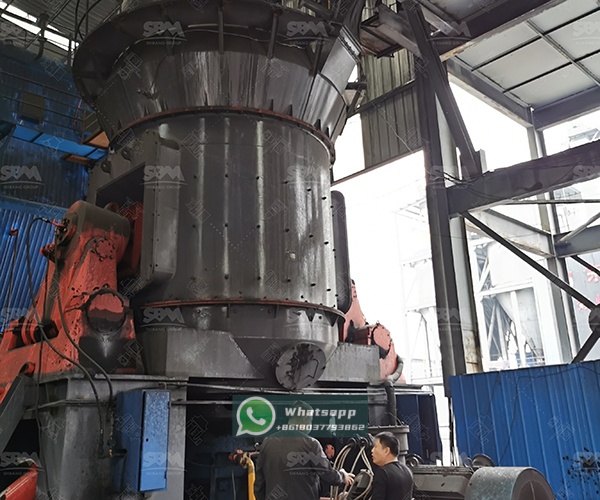
Common feeding system issues include material bridging, uneven distribution, and excessive wear. Material bridging can often be addressed through hopper design modifications or the addition of flow promotion devices. Uneven distribution may require adjustment of deflector positions or verification of feed rate consistency. Excessive wear typically necessitates material upgrades or design modifications in high-wear areas.
The integration of Industry 4.0 technologies is transforming feeding system design and operation. Smart sensors, machine learning algorithms, and predictive maintenance capabilities are being incorporated into next-generation feeding systems. These advancements enable real-time optimization of feeding parameters based on process conditions and material characteristics.
Environmental considerations are increasingly influencing feeding system design. Energy-efficient drives, reduced material consumption through optimized designs, and enhanced sealing to prevent emissions represent key focus areas. Additionally, designs that facilitate component reuse and recycling are gaining prominence.
The central feeding system represents a critical component in vertical mill operation, directly impacting grinding efficiency, product quality, and equipment reliability. Advanced designs from manufacturers like Shanghai Zenith Machinery incorporate sophisticated material handling, distribution, and control technologies that optimize mill performance across diverse applications. As grinding technology continues to evolve, feeding systems will play an increasingly important role in achieving the efficiency, reliability, and sustainability targets of modern industrial operations.
Through continuous innovation and application-specific engineering, Zenith’s vertical mill solutions, including the LM Vertical Grinding Mill and LUM Ultrafine Vertical Mill, demonstrate how advanced feeding system design contributes to superior grinding performance. The integration of robust construction, precise control, and operational intelligence ensures that these systems meet the demanding requirements of contemporary industrial grinding applications.