In the demanding field of industrial powder processing, achieving consistent, high-quality output requires more than just powerful grinding mechanisms. It demands sophisticated engineering that addresses the fundamental challenges of vibration, noise, and structural integrity. At Shanghai Zenith Machinery Co., Ltd., our commitment to excellence in ore and ultra-fine powder grinding equipment is exemplified by the advanced elastic damping structures integrated into our European-style mills. This article delves into the engineering principles behind these systems and their critical role in enhancing performance, reliability, and operational smoothness.
Industrial grinding mills are subjected to significant dynamic forces. The rotation of heavy grinding rollers or media, the impact and compression of raw materials, and the inherent imbalances in mechanical systems generate substantial vibrations. Uncontrolled, these vibrations can have several detrimental effects:
To combat these issues, a passive approach of simply building a more massive, rigid structure is inefficient and costly. The modern solution lies in the implementation of intelligent elastic damping systems.
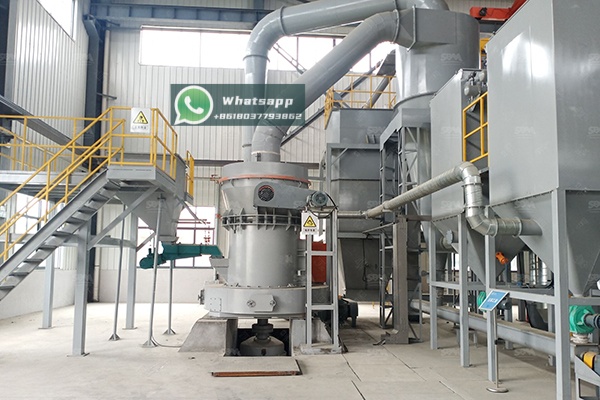
The elastic damping structure in our European mills is not a single component but a holistic system designed to isolate, absorb, and dissipate vibrational energy. The core principles involve:
This advanced engineering philosophy is embedded across our product line, with specific adaptations to suit the unique operational characteristics of each mill type. Let’s examine how this is applied in two of our flagship products.
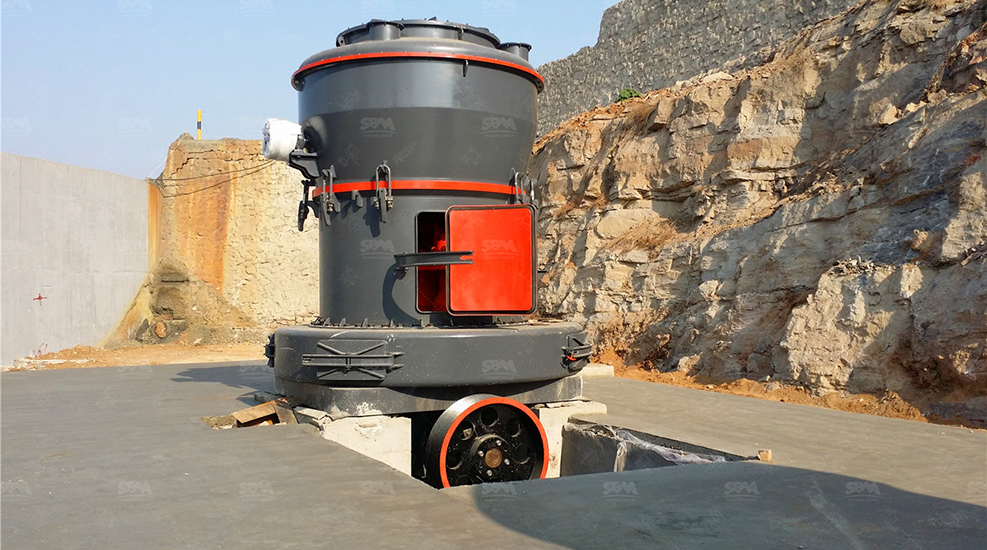
The MTW Series Grinding Mill, a cornerstone of our product range, features a particularly refined elastic damping system. Its bevel gear overall transmission ensures smooth power delivery, but it is the foundation design that truly manages vibration. The mill’s main unit is mounted on a base frame that incorporates a network of damping pads. This design isolates the high-frequency vibrations generated by the grinding rollers, resulting in exceptionally smooth and quiet operation, even at high capacities.
The table below outlines the key technical parameters of the MTW series, showcasing the range of capacities where this damping technology proves effective.
| Model | Max. Feed Size (mm) | Final Size (mm) | Capacity (t/h) | Main Motor (kW) |
|---|---|---|---|---|
| MTW110 | <30 | 1.6-0.045 | 3-9 | 55 |
| MTW138Z | <35 | 1.6-0.045 | 6-17 | 90 |
| MTW215G | <50 | 1.6-0.045 | 15-45 | 280 |
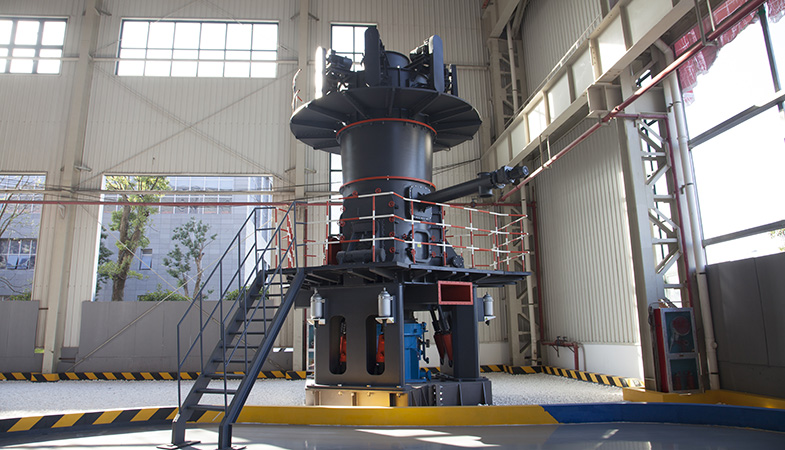
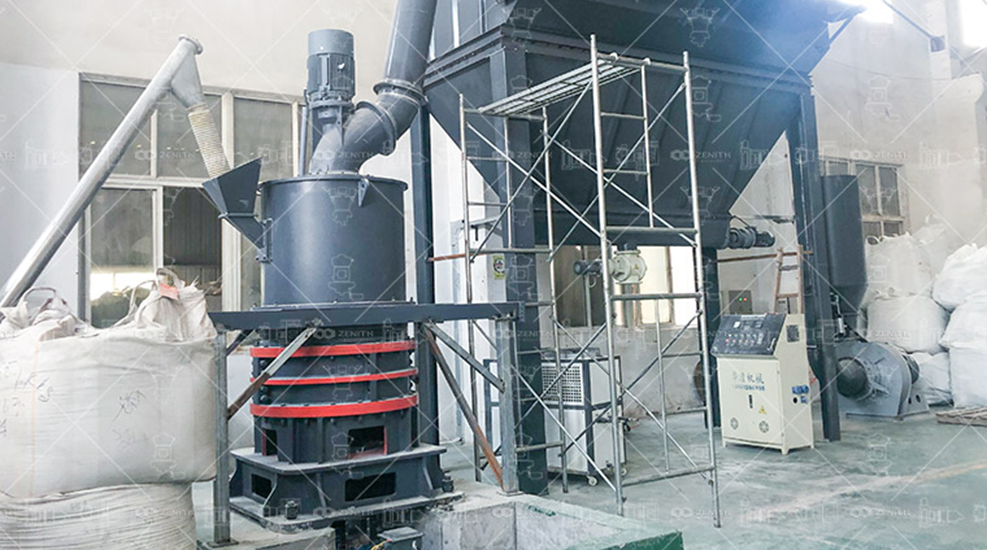
For ultrafine grinding applications, stability is paramount. The LUM Ultrafine Vertical Mill takes damping to the next level. Its integrated design, which combines grinding, drying, classification, and conveying, necessitates a highly stable platform to prevent minute vibrations from affecting the precise classification process. The mill utilizes a combination of a reinforced, vibration-absorbing base and carefully tuned spring isolation systems. This ensures that the internal classifying rotor operates in a near-perfectly stable environment, which is critical for achieving the sharp and consistent particle size distributions required for high-value ultrafine powders (D97 from 5-30μm).
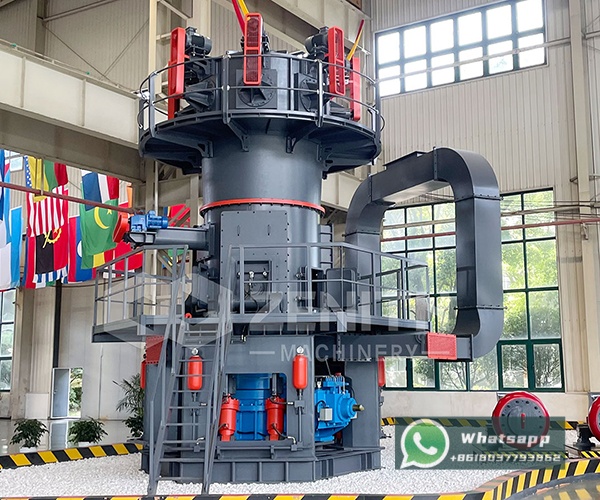
| Model | Main Machine Power (kW) | Capacity (t/h) | Size Distribution D97 (μm) |
|---|---|---|---|
| LUM1525 | 220-250 | 1.6-11.5 | 5-30 |
| LUM1632 | 280-315 | 2.0-13.5 | 5-30 |
| LUM1836 | 355-400 | 2.3-15 | 5-30 |
The investment in a sophisticated elastic damping structure yields significant returns throughout the mill’s lifecycle:
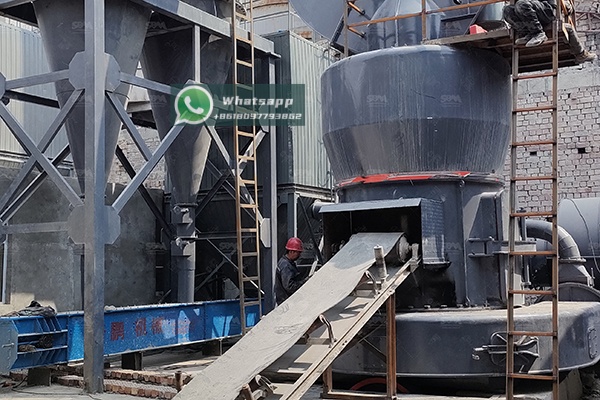
The engineering of elastic damping structures in grinding mills represents a critical intersection of mechanical design, material science, and practical application. At Shanghai Zenith Machinery, we view it not as an optional extra, but as a fundamental component of high-performance, reliable grinding technology. From the robust MTW Trapezium Mill to the precision-focused LUM Ultrafine Vertical Mill, our commitment to integrating advanced vibration control ensures that our customers receive equipment that delivers not only on output and fineness but also on long-term operational stability and cost-effectiveness. This dedication to holistic engineering is what sets our European-style mills apart in the competitive field of industrial powder processing.