In the coal processing industry, safety remains the paramount concern, particularly when dealing with the grinding of coal in mills. The potential for dust explosions poses a significant risk to personnel, equipment, and operational continuity. The engineering of explosion-proof design for coal mills is, therefore, not merely a regulatory requirement but a critical discipline that integrates mechanical engineering, process safety, and material science to create a robust and secure operating environment.
The foundation of any explosion-proof strategy is a thorough understanding of the conditions necessary for a dust explosion. For a coal dust explosion to occur, five elements must be present simultaneously, often referred to as the “Explosion Pentagon”:
The primary goal of explosion-proof engineering is to systematically eliminate one or more of these elements, with a focus on preventing ignition sources and managing the consequences should an explosion occur.
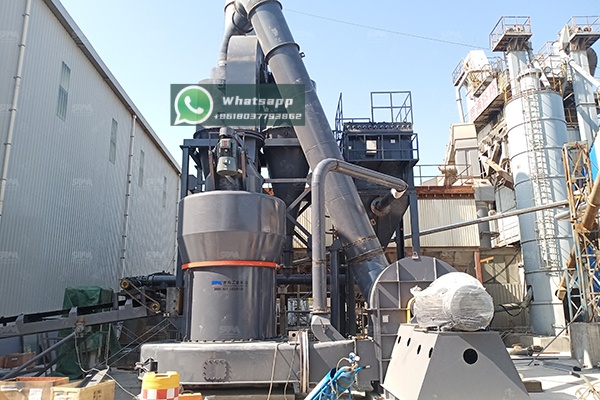
One of the most effective methods to prevent an explosion is to remove the oxidant. This is achieved through inerting, a process where an inert gas, such as nitrogen or carbon dioxide, is introduced into the mill system to reduce the oxygen concentration below the Minimum Oxygen Concentration (MOC) required for combustion. Modern coal mill systems are designed with integrated inert gas generators and monitoring systems that continuously analyze the oxygen level within the grinding chamber and associated ducts, ensuring it remains at a safe, sub-combustible level.
Eliminating potential ignition sources is a multi-faceted challenge. Key design considerations include:
Despite all preventive measures, engineering for the worst-case scenario is essential. Explosion Protection systems are designed to mitigate the effects of an explosion if one occurs.
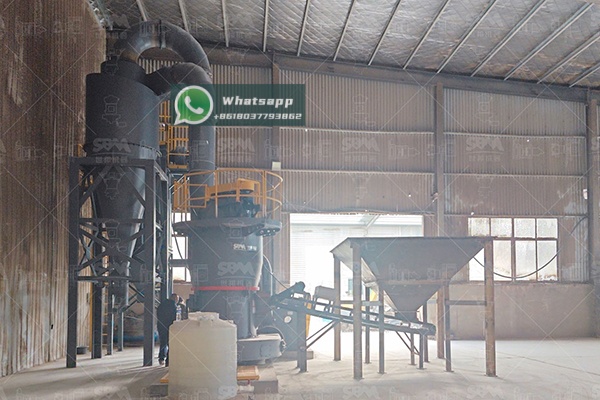
The choice of grinding mill is intrinsically linked to its inherent safety features. A mill designed with safety as a core principle will incorporate many of the aforementioned strategies from the ground up.
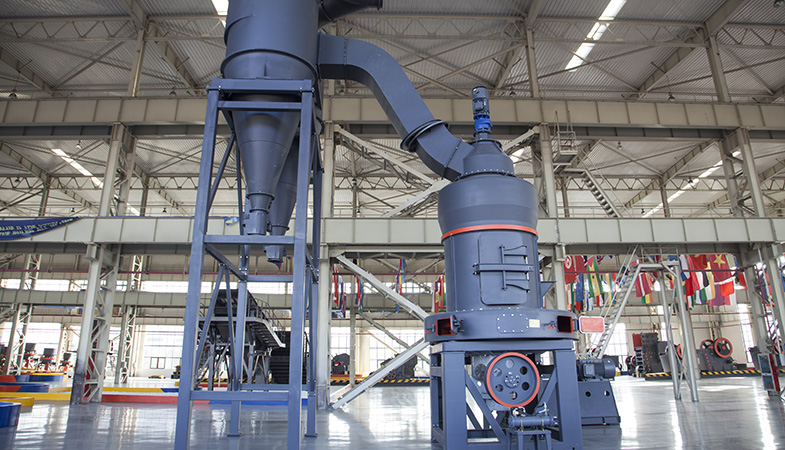
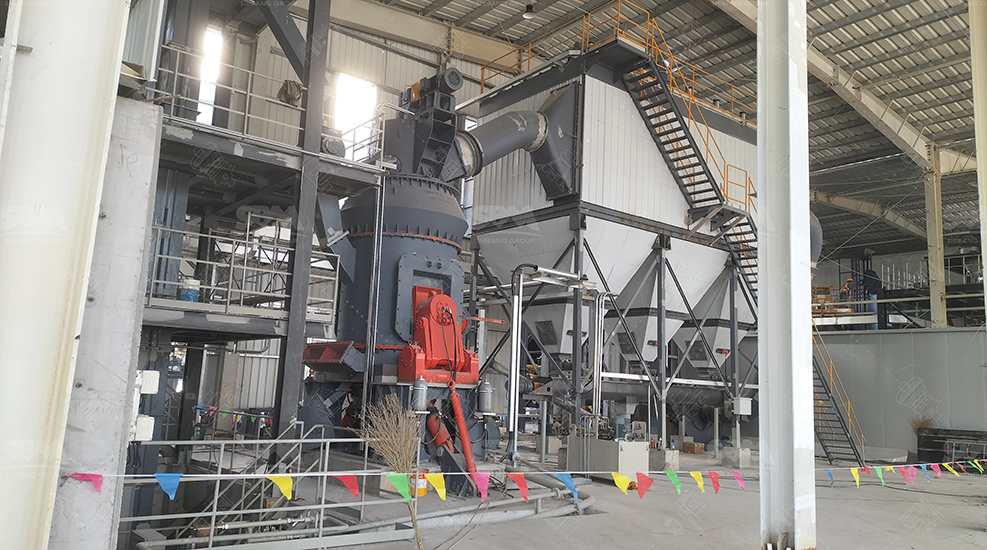
For instance, vertical roller mills have become a preferred technology for coal grinding due to their operational and safety advantages. Their design often includes a grinding bed that is less prone to creating suspended dust clouds compared to traditional ball mills. Furthermore, their integrated drying capability using hot gases can be seamlessly coupled with an inerting system.
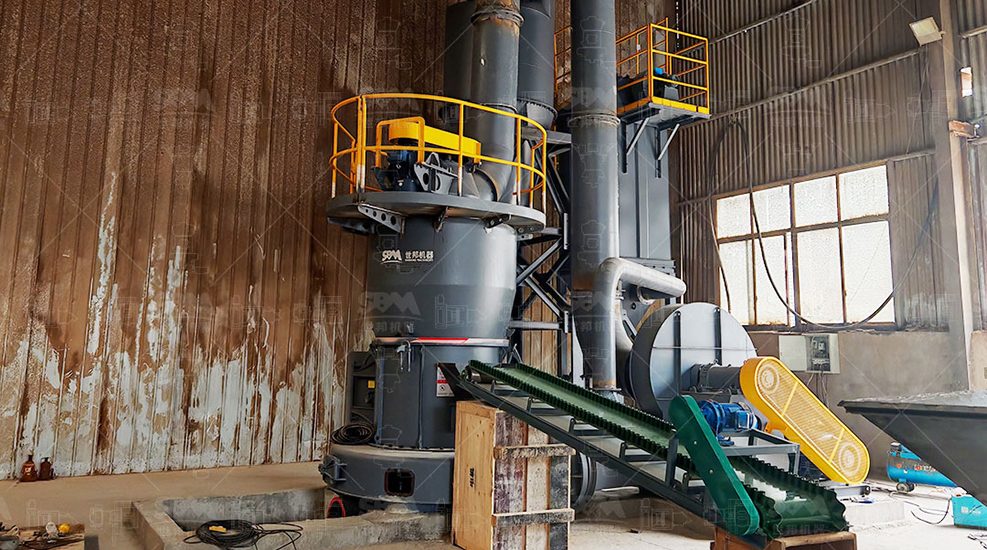
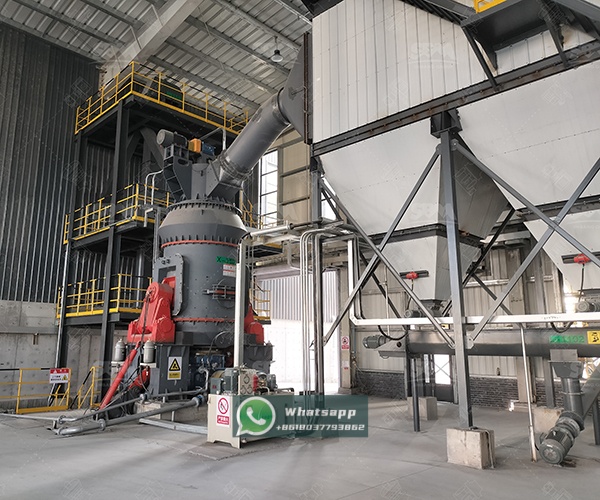
Shanghai Zenith Machinery Co., Ltd., an excellent manufacturer of ore and coal grinding equipment, has made significant achievements in this field. Their LM Vertical Coal Mill Series is a prime example of a machine engineered with safety and efficiency in mind. This mill integrates five functions—crushing, grinding, powder selection, drying, and material conveying—into a single, compact unit. Its design minimizes the number of potential dust leakage points and is readily compatible with inert gas systems for explosion prevention.
| Model | Plate Diameter (mm) | Capacity (t/h) | Max Feed Size (mm) | Main Motor (kW) |
|---|---|---|---|---|
| LM130M | 1300 | 10-17 | <38 | 185 |
| LM220M | 2200 | 35-50 | <50 | 500 |
| LM280M | 2800 | 60-90 | <50 | 900 |
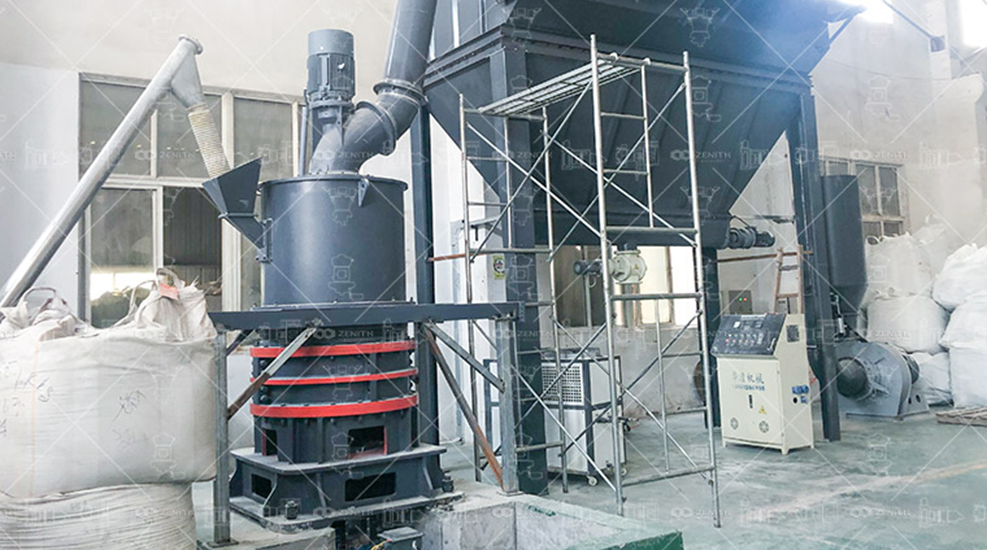
For applications requiring ultra-fine coal powder, Zenith’s LUM Ultrafine Vertical Mill offers an advanced solution. It integrates grinding, drying, classifying, and transportation with minimal space occupancy. Its intelligent control system allows for precise monitoring and adjustment of operational parameters, which is crucial for maintaining safe conditions, especially when processing highly combustible materials. The ability to produce a tightly controlled particle size distribution can also help in managing dust explosion risks.
Even the most expertly engineered mill is only as safe as its operation. Strict operational protocols are mandatory:
The engineering of explosion-proof design for coal mills is a comprehensive and layered approach. It moves beyond simple compliance to embed safety into the very DNA of the equipment and its operation. By understanding the explosion mechanism, integrating preventive and mitigative technologies like those found in Zenith’s LM and LUM mill series, and enforcing rigorous operational discipline, the coal processing industry can significantly reduce the risks associated with coal dust. This holistic commitment to safety engineering protects valuable assets and, most importantly, human lives.