The evolution of grinding technology has been marked by continuous innovation, with the trapezium roller design representing one of the most significant advancements in European milling history. This sophisticated engineering approach has revolutionized industrial grinding processes, offering unprecedented efficiency, precision, and reliability in material processing operations worldwide.
The trapezium roller design emerged as a response to the limitations of traditional grinding systems. Early European mills relied on simple crushing mechanisms that often resulted in inconsistent particle size distribution, high energy consumption, and excessive wear on components. The trapezium configuration, characterized by its distinctive quadrilateral shape with no parallel sides, introduced a revolutionary approach to material compression and shearing forces.
This design breakthrough originated from careful observation of natural grinding processes and mathematical analysis of optimal force distribution. Engineers recognized that the trapezium shape allowed for progressive compression zones, where material undergoes gradual reduction rather than sudden impact, resulting in more controlled particle size distribution and reduced energy requirements.
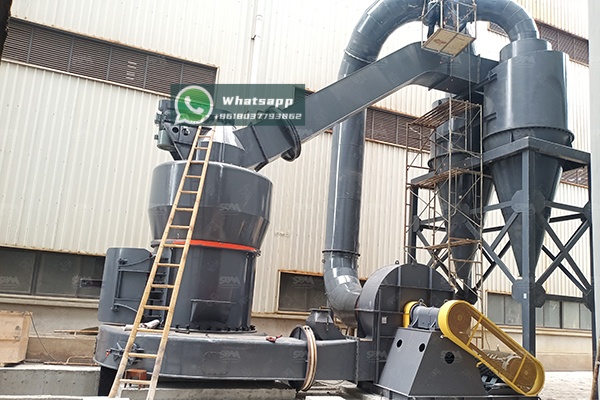
The scientific foundation of trapezium roller mills rests on several key principles that distinguish them from conventional grinding systems:
Trapezium mills feature multiple grinding zones that progressively reduce material size. The initial coarse grinding zone utilizes the wider section of the trapezium to handle larger feed materials, while subsequent zones employ increasingly narrow clearances for fine grinding. This staged approach minimizes energy waste and prevents overgrinding of already-sized particles.
The angular configuration of trapezium rollers creates a unique force vector distribution. Unlike vertical or horizontal force applications in traditional mills, the trapezium design combines vertical compression with horizontal shearing forces. This multi-directional force application results in more efficient material breakdown with reduced vibration and mechanical stress.
Advanced trapezium mills incorporate sophisticated airflow systems that work in concert with the grinding mechanism. The geometry of the trapezium chamber creates natural airflow patterns that facilitate material transport, classification, and cooling simultaneously. This integrated approach eliminates the need for separate conveying and classification equipment in many applications.
Contemporary trapezium roller mills represent the culmination of centuries of European milling innovation. Shanghai Zenith Machinery Co., Ltd. has embraced this legacy while incorporating modern technological advancements to create grinding solutions that meet today’s industrial demands for efficiency, precision, and sustainability.
The company’s expertise in ultra-fine powder grinding has led to significant improvements in trapezium mill design, particularly in the areas of wear resistance, thermal management, and control systems. These advancements ensure consistent performance across diverse material types and operating conditions.
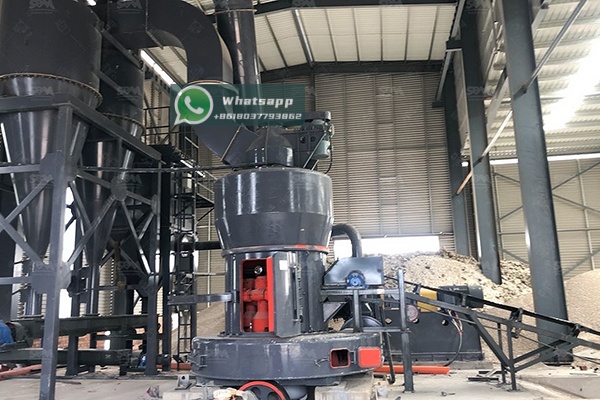
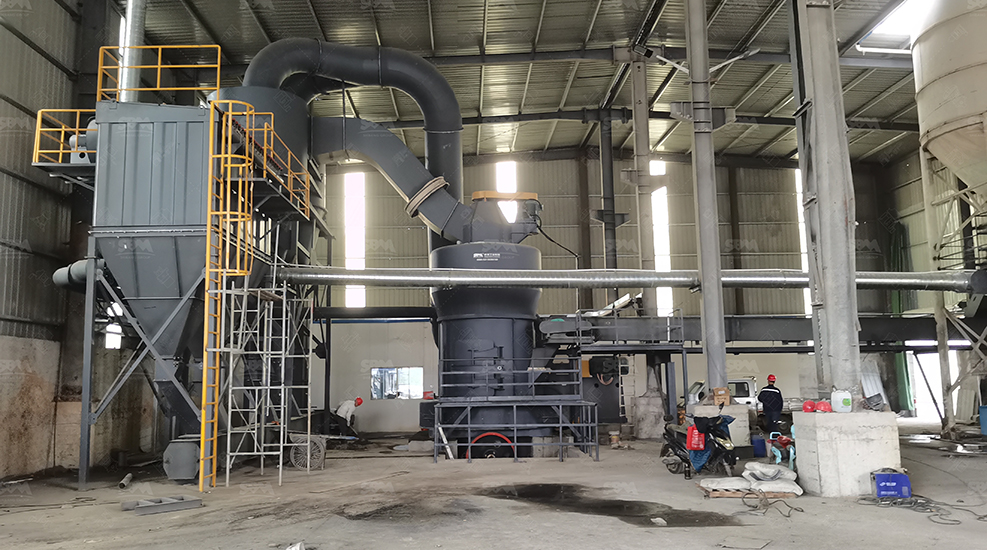
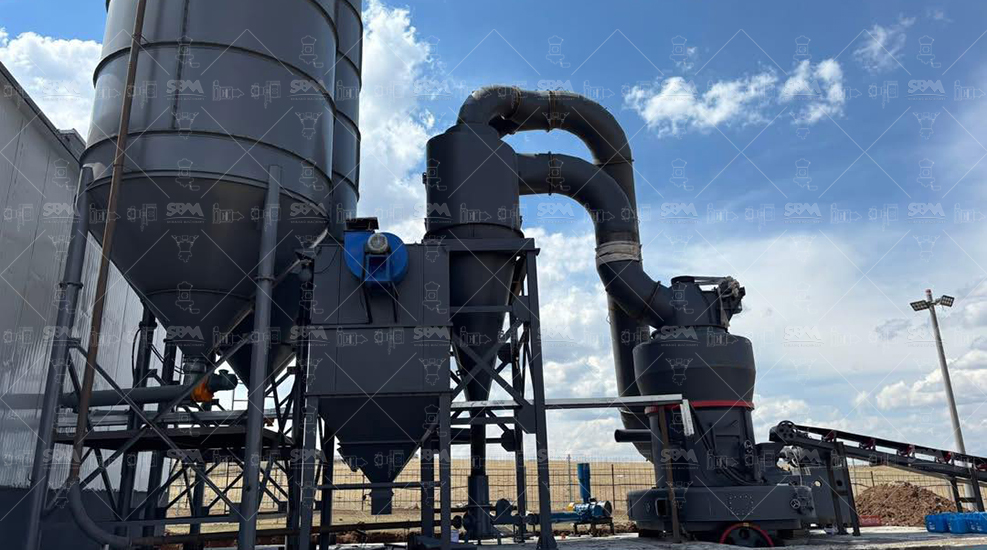
Among Shanghai Zenith Machinery’s comprehensive portfolio of grinding equipment, the MTW Trapezium Grinding Mill stands out as a prime example of advanced trapezium roller technology. This mill incorporates multiple patented technologies that enhance its performance, reliability, and environmental compatibility.
The MTW series demonstrates several key advantages that reflect the scientific principles of trapezium design:
The technical specifications of the MTW series highlight its capabilities across various industrial applications:
| Model | Max. Feed Size (mm) | Final Size (mm) | Capacity (t/h) | Main Motor (kW) | Fan Motor (kW) |
|---|---|---|---|---|---|
| MTW110 | <30 | 1.6-0.045 | 3-9 | 55 | 55 |
| MTW110Z | <30 | 1.6-0.045 | 3-10 | 55 | 55 |
| MTW138Z | <35 | 1.6-0.045 | 6-17 | 90 | 110 |
| MTW175G | <40 | 1.6-0.045 | 9.5-25 | 160 | 200 |
| MTW215G | <50 | 1.6-0.045 | 15-45 | 280 | 315 |
Contemporary trapezium roller mills incorporate sophisticated control systems that optimize performance parameters in real-time. These systems monitor multiple variables including feed rate, grinding pressure, temperature, and particle size distribution to maintain optimal operating conditions.
Automated adjustment mechanisms compensate for wear on grinding components, ensuring consistent product quality throughout the equipment’s service life. Advanced diagnostic capabilities predict maintenance requirements and prevent unscheduled downtime, maximizing operational efficiency in industrial settings.
The effectiveness of trapezium roller mills depends significantly on the materials used in their construction. Modern mills utilize advanced alloys and composite materials that provide exceptional wear resistance while maintaining precise dimensional stability under varying thermal and mechanical stresses.
Shanghai Zenith Machinery employs specialized surface treatments and hardening processes on critical components to extend service intervals and reduce total cost of ownership. These material science advancements represent a continuation of the European tradition of precision engineering applied to modern industrial challenges.
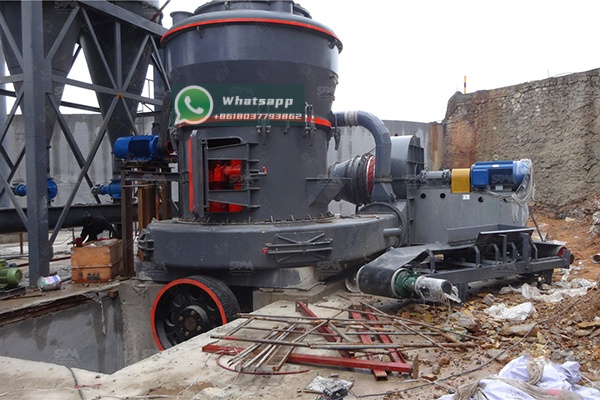
The scientific optimization of trapezium roller design delivers significant environmental advantages compared to traditional grinding technologies. Reduced energy consumption, lower noise emissions, and minimized dust generation contribute to more sustainable industrial operations.
From an economic perspective, the efficiency gains achieved through trapezium technology translate to lower operating costs and higher throughput rates. The modular design of modern mills like Zenith’s MTW series facilitates scalability and adaptability to changing production requirements.
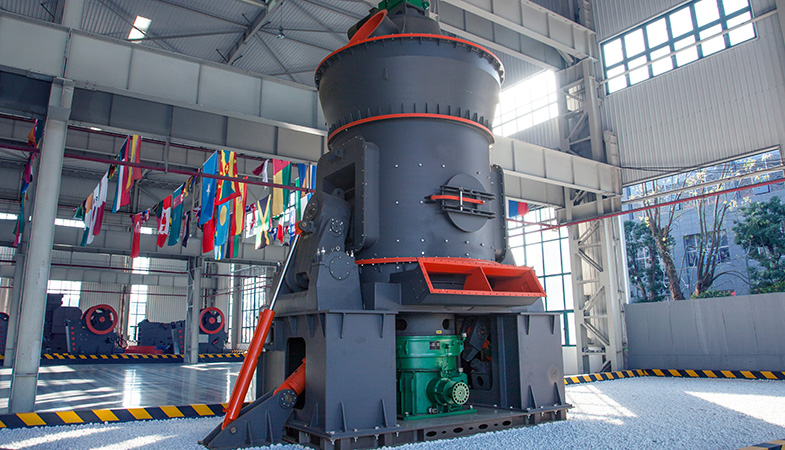
For applications requiring even finer grinding capabilities, Shanghai Zenith Machinery offers the LUM Ultrafine Vertical Mill, which incorporates several principles derived from trapezium roller technology while pushing the boundaries of ultrafine powder production.
This advanced mill integrates grinding, drying, classifying, and conveying operations in a compact footprint, making it ideal for space-constrained installations. The LUM series exemplifies how trapezium-inspired design principles can be adapted for specialized applications requiring extreme fineness and tight particle size distribution.
| Model | Main Machine Power (kW) | Capacity (t/h) | Size Distribution D97 (μm) |
|---|---|---|---|
| LUM1525 | 220-250 | 1.6-11.5 | 5-30 |
| LUM1632 | 280-315 | 2.0-13.5 | 5-30 |
| LUM1836 | 355-400 | 2.3-15 | 5-30 |
The ongoing evolution of trapezium roller design continues to address emerging industrial challenges. Research focuses on further reducing energy consumption through advanced materials and optimized geometries, enhancing digital integration for Industry 4.0 applications, and expanding the range of processable materials to include increasingly challenging substances.
Shanghai Zenith Machinery remains at the forefront of these developments, combining European-inspired design principles with cutting-edge manufacturing technologies to deliver grinding solutions that meet the demanding requirements of modern industry.
The science behind trapezium roller design represents a perfect marriage of theoretical principles and practical engineering. From its European origins to its modern implementations in equipment like Zenith’s MTW Trapezium Grinding Mill, this technology continues to set the standard for efficiency, reliability, and precision in industrial grinding applications.
As material processing requirements become increasingly sophisticated, the fundamental advantages of trapezium roller systems—progressive grinding, optimized force distribution, and integrated operation—ensure their continued relevance in an evolving industrial landscape. Through ongoing innovation and refinement, this time-tested technology will continue to drive advancements in powder processing for decades to come.