Afghanistan’s construction, housing, and infrastructure programs are driving steady demand for cement. At the same time, cement producers are under pressure to control costs, reduce clinker consumption, and improve the durability of concrete. Natural zeolite is a promising supplementary cementitious material (SCM) for this market. When finely ground to 600 mesh, zeolite can react with calcium hydroxide during cement hydration, forming additional calcium silicate hydrate and contributing to strength and durability. The grinding step is therefore critical: the mill must deliver a consistent 600 mesh product at a practical production rate and acceptable energy cost. Shanghai Zenith Machinery Co., Ltd., a leading Chinese manufacturer of ore grinding equipment, provides proven solutions for ultrafine zeolite processing.
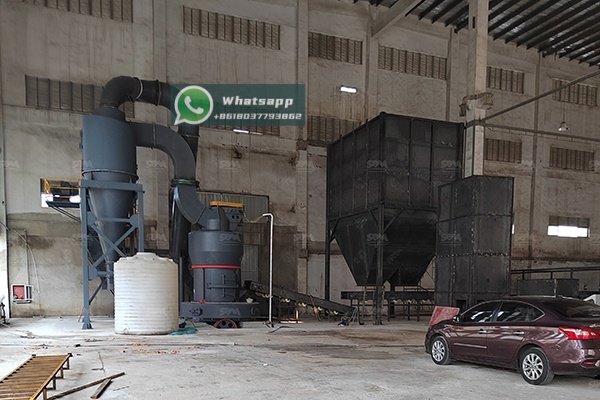
Afghanistan has a growing need for locally produced cement. Many projects depend on imported clinker or finished cement, which increases cost and logistics risk. Local cement plants can gain flexibility by blending Portland cement with suitable pozzolanic materials. Zeolite is a naturally occurring aluminosilicate mineral with a porous structure and high cation-exchange capacity. Its pozzolanic activity allows it to consume lime released by clinker hydration. In practical cement production, ground zeolite can be used as a partial replacement for clinker or as a mineral additive in blended cement. Typical replacement levels range from 10% to 30%, depending on zeolite quality, fineness, and target concrete performance.
For Afghanistan, zeolite offers several advantages. It can often be sourced locally where zeolite-bearing volcanic tuff or sedimentary deposits exist, reducing reliance on imported SCMs such as fly ash or metakaolin. Processing zeolite locally also creates jobs and adds value to domestic mineral resources. However, the economic benefit depends on efficient grinding. If the zeolite is too coarse, its pozzolanic reaction is slow and incomplete. If the grinding process is inefficient, energy and maintenance costs can erase the savings from clinker replacement.
600 mesh is a common fineness target for high-reactivity mineral admixtures. Depending on the sieve standard, 600 mesh corresponds approximately to 20–25 µm. At this fineness, zeolite particles provide a large specific surface area, which accelerates the pozzolanic reaction and improves particle packing in cementitious systems. Concrete made with 600 mesh zeolite can show improved strength development, reduced permeability, better sulfate resistance, and enhanced durability. In blended cement, 600 mesh zeolite can also improve workability when used with appropriate water-reducing admixtures, although very high fineness may increase water demand if not properly controlled.
Producing 600 mesh zeolite consistently requires more than a simple pulverizer. The mill must combine grinding, classification, and often drying. It must handle variations in feed moisture, hardness, and mineral composition. It must also control top size to avoid coarse particles that behave as inert filler. For cement producers in Afghanistan, a robust and energy-efficient grinding system is essential for reliable operation in remote or challenging conditions.
Zeolite can vary widely in hardness, moisture content, and abrasiveness. Some deposits are soft and easily ground, while others contain hard impurities such as quartz or volcanic glass. In Afghanistan, seasonal moisture and transport conditions may increase feed moisture, causing clogging and reducing mill output. Power supply stability, dust control, and spare-parts logistics are additional considerations. A suitable grinding plant should therefore offer:
Shanghai Zenith Machinery Co., Ltd. has developed a range of industrial grinding mills that meet these requirements. For 600 mesh zeolite in cement production, two product families are particularly suitable: the LM Vertical Fine-powder Mill and the XZM Ultrafine Grinding Mill.
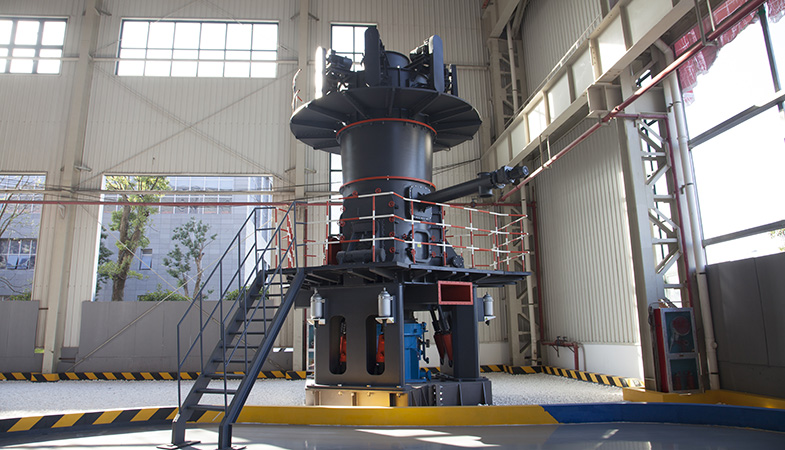
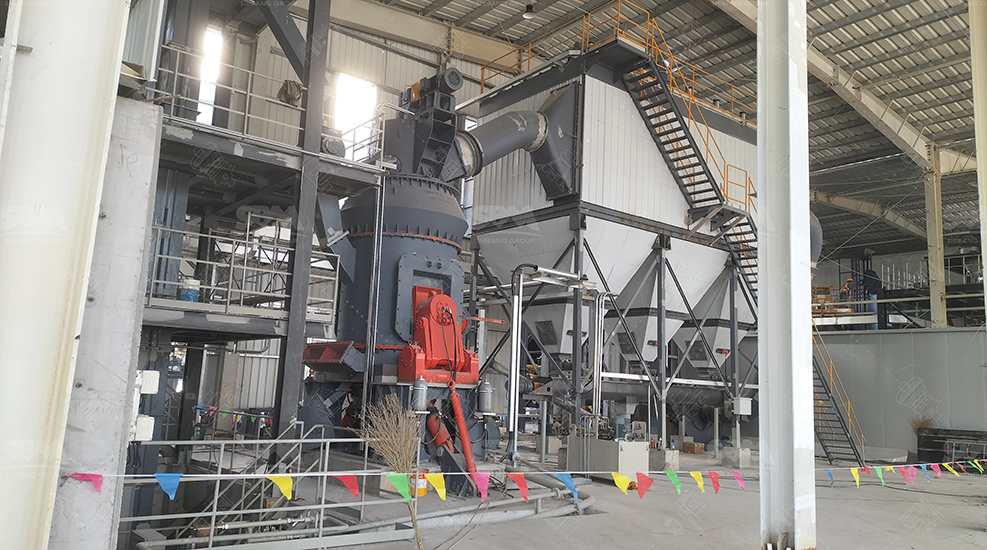
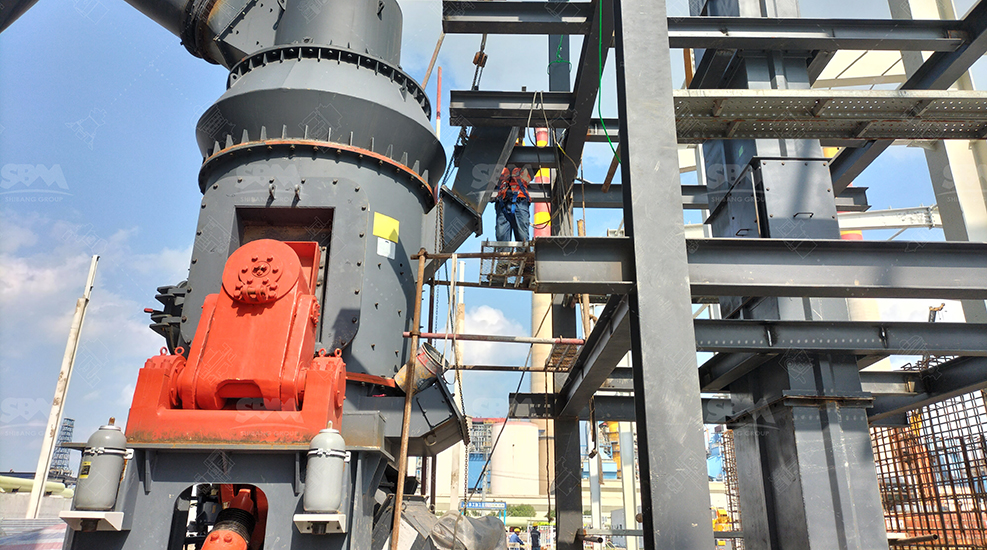
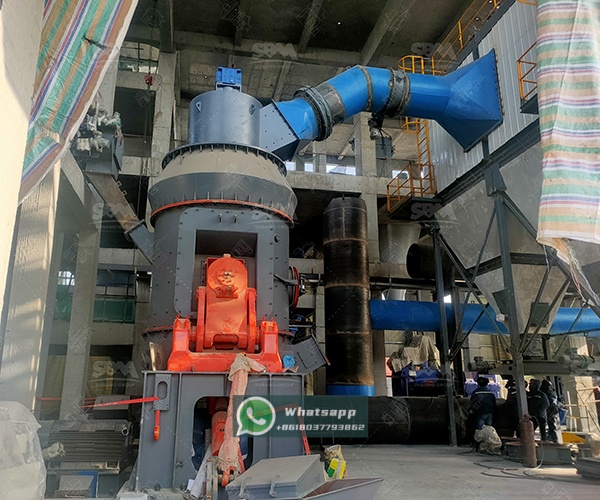
The LM Vertical Fine-powder Mill is an advanced solution for producing 325–600 mesh mineral powders. It integrates crushing, grinding, drying, powder selection, and material conveying into one compact system. For cement plants that need a reliable supply of 600 mesh zeolite at medium to high capacity, the LM130X-GX and LM220X-GX are excellent choices. The LM220X-GX, for example, can reach 15–30 t/h and uses a 560 kW main motor, making it suitable for blending operations at a full-scale cement plant. The LM130X-GX offers 4–12 t/h for smaller plants or pilot lines.
| Model | Plate diameter (mm) | Capacity (t/h) | Output fineness (D97) | Main motor (kW) |
|---|---|---|---|---|
| LM130X-GX | 1300 | 4-12 | 325-600 mesh | 220 |
| LM220X-GX | 2200 | 15-30 | 325-600 mesh | 560 |
The LM Vertical Fine-powder Mill is known for its stable operation and low wear rate. The grinding rollers and table are designed for long service life, and the integrated classifier produces a sharp cut point. Because the mill can dry material while grinding, it is well suited to zeolite with moderate moisture. The system occupies a small footprint compared with a ball mill circuit of similar capacity, which reduces civil works and installation time. It also produces less noise and dust when equipped with proper sealing and dust collection. For cement producers in Afghanistan, this means faster commissioning and lower operating cost.
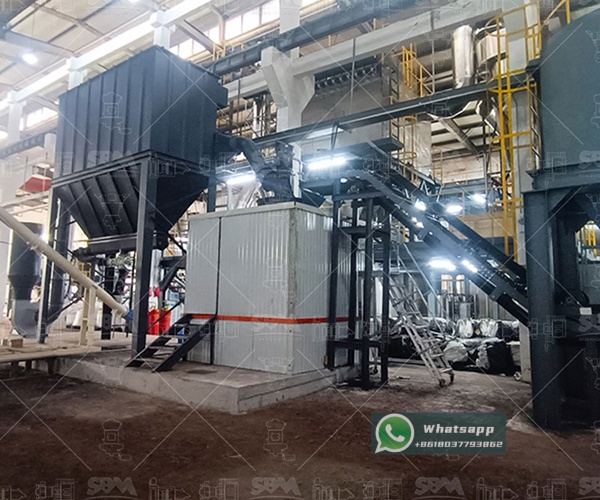
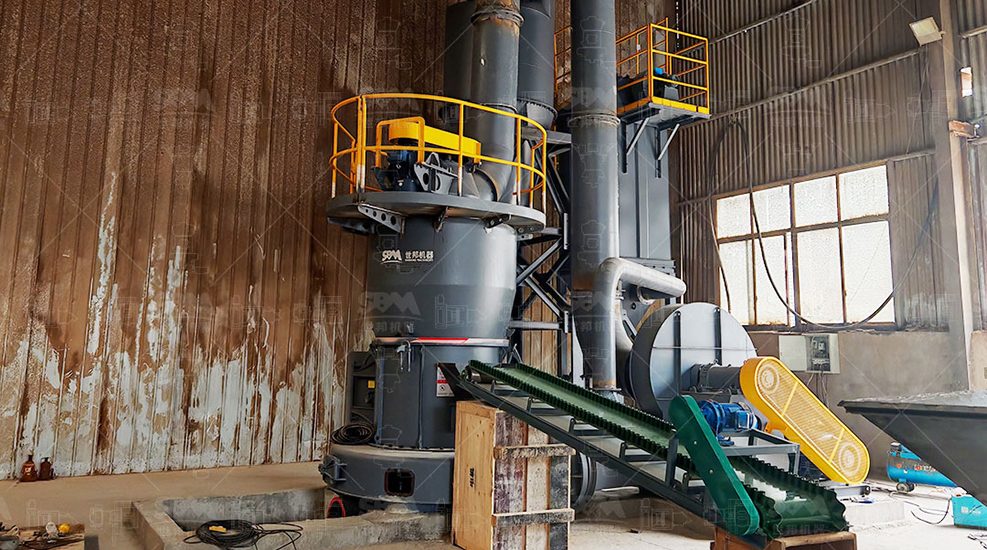
When the application requires very fine zeolite, or when the plant needs flexibility to produce 600 mesh and finer products, the XZM Ultrafine Grinding Mill is the preferred choice. The XZM series is widely used for superfine powder production and can achieve 325–2500 mesh. It is suitable for soft or medium-hard materials with moisture content below 6%. For 600 mesh zeolite, the XZM provides excellent fineness control and a high proportion of product in the target range. The XZM221 and XZM268 cover a broad capacity range, from pilot production to industrial output.
| Model | Working diameter (mm) | Max feed size (mm) | Final size (mesh) | Output (kg/h) | Main motor power (kW) |
|---|---|---|---|---|---|
| XZM221 | Φ800 | ≤20 | 325-2500 | 500-4500 | 75 |
| XZM268 | Φ1680 | ≤20 | 325-2500 | 5000-25000 | 315 |
The XZM Ultrafine Grinding Mill uses an efficient grinding mechanism and a high-performance classifier. Its intelligent control system helps maintain stable product fineness and simplifies operation. Maintenance is relatively convenient, and the mill can be adjusted to meet changing market requirements. For a cement plant that wants to produce a premium 600 mesh zeolite admixture, or for a dedicated grinding station supplying blended cement producers, the XZM268 offers strong capacity. The XZM221 is ideal for smaller operations, product trials, and specialty cement formulations.
A complete 600 mesh zeolite grinding plant typically includes raw material storage, crushing, drying or pre-drying, grinding, classification, dust collection, product storage, and blending. If the feed size is larger than the mill inlet, a jaw crusher or hammer mill can reduce it to below 20–30 mm. A hammer mill from Shanghai Zenith, such as the HM4008-75 or HM4015-132, can be used for coarse crushing and sand production, but for 600 mesh zeolite the main grinding stage should be a vertical fine-powder mill or an ultrafine mill.
When the LM Vertical Fine-powder Mill is used, drying, grinding, and classification occur in one unit. Hot air can be introduced to remove moisture while the material is ground. The classifier rejects coarse particles back to the grinding table, ensuring a tight product curve. The finished powder is collected by an air-swept system and sent to a silo. This configuration is simple, compact, and energy-efficient. When the XZM Ultrafine Grinding Mill is used, the feed moisture should generally be below 6%. A separate dryer may be required for wet zeolite. The XZM system is ideal when product fineness must be precisely controlled and when the plant needs the flexibility to produce 600 mesh or finer powders.
Quality control is essential. The plant should test fineness by sieving and, if possible, by laser particle size analysis. Pozzolanic activity can be evaluated through strength activity index tests, lime consumption, or heat of hydration. These tests help cement producers determine the optimum zeolite replacement level and ensure consistent concrete performance.
Grinding zeolite to 600 mesh for cement production offers clear economic and environmental benefits. Replacing part of the clinker with zeolite reduces the energy and CO2 emissions associated with clinker production. Clinker manufacturing is the most energy-intensive and carbon-intensive step in cement production. Each ton of clinker replaced by a pozzolanic material can reduce emissions and lower raw material costs. For Afghanistan, local zeolite processing can also reduce foreign exchange spending on imported SCMs and create skilled jobs in mining, processing, and quality control.
The choice of grinding equipment strongly affects the profitability of the project. A ball mill may be flexible, but its specific energy consumption for 600 mesh powder is often high, and the footprint is large. Vertical mills and ultrafine mills offer better energy efficiency, finer product control, and lower maintenance cost per ton when properly maintained. The LM Vertical Fine-powder Mill and XZM Ultrafine Grinding Mill from Shanghai Zenith are designed to deliver these advantages.
Shanghai Zenith Machinery Co., Ltd. is an excellent manufacturer of ore grinding equipment in China and has made great achievements in the field of ultra-fine powder grinding. The company specializes in the research, development, and production of industrial powder grinding equipment and related devices. Its main products include the MTW Trapezium Grinding Mill, Ball Mill, MTM Medium-Speed Grinding Mill, Raymond Mill, LM Vertical Grinding Mill, LUM Ultrafine Vertical Mill, XZM Ultrafine Grinding Mill, and Hammer Mill. This broad product range allows Zenith to recommend the most suitable solution based on capacity, feed size, moisture, target fineness, and budget.
For a zeolite project in Afghanistan, Zenith can provide complete process design, equipment manufacturing, installation guidance, commissioning support, operator training, and spare parts planning. The company understands the challenges of remote projects and can help customers select the right mill, auxiliary equipment, and wear parts to ensure long-term operation. Whether the target is a 4–12 t/h line with the LM130X-GX or a larger 15–30 t/h line with the LM220X-GX, or a highly flexible ultrafine line with the XZM268, Zenith has a proven grinding solution.
Zeolite is a valuable supplementary cementitious material for Afghanistan’s cement industry. Grinding it to 600 mesh improves its pozzolanic reactivity and allows cement producers to reduce clinker content, lower costs, and improve concrete durability. To achieve consistent 600 mesh production efficiently, the right grinding mill is essential. Shanghai Zenith Machinery Co., Ltd. recommends the LM Vertical Fine-powder Mill for integrated drying, grinding, and classification at 325–600 mesh, and the XZM Ultrafine Grinding Mill for flexible production from 325 to 2500 mesh. With robust equipment, process support, and after-sales service, Zenith can help Afghan cement producers turn local zeolite resources into high-value blended cement products.