In the mineral processing and industrial powder production industries, the selection of grinding equipment involves careful consideration of multiple factors, with physical footprint and plant layout requirements being among the most critical. The space occupied by milling equipment directly impacts construction costs, material handling logistics, maintenance accessibility, and overall operational efficiency. This article provides a comprehensive comparison of the footprint and layout characteristics of various mill systems, with specific reference to the advanced grinding solutions offered by Shanghai Zenith Machinery Co., Ltd., a leading manufacturer renowned for its achievements in ultra-fine powder grinding technology.
The physical arrangement of grinding equipment within an industrial facility requires meticulous planning. Key considerations include not only the base dimensions of the mill itself but also the space required for ancillary equipment, maintenance access, material feed systems, product collection, and dust control apparatus. Different mill designs inherently demand varying spatial configurations, which can significantly influence the overall plant design and capital investment.
Traditional horizontal mills like Ball Mills and Raymond Mills typically require substantial floor space and may need complex ancillary systems arranged around them. In contrast, modern vertical mill designs, such as those developed by Shanghai Zenith, often feature integrated systems that consolidate multiple processing steps into a single, compact unit, thereby reducing the overall footprint.
Ball Mills represent one of the most traditional grinding technologies, characterized by their horizontal cylindrical design rotating around a central axis. While highly effective for various materials, their layout requirements are substantial. A typical Ball Mill installation requires significant floor space not only for the mill itself but also for the feeding system, discharge mechanism, and often separate drying equipment.
The footprint of a Ball Mill system extends beyond the machine’s physical dimensions due to the need for:
For instance, Zenith’s Φ2700×4500 Ball Mill with a 430 kW motor requires a considerable operational area when accounting for all ancillary components, making it suitable for facilities with ample space availability.
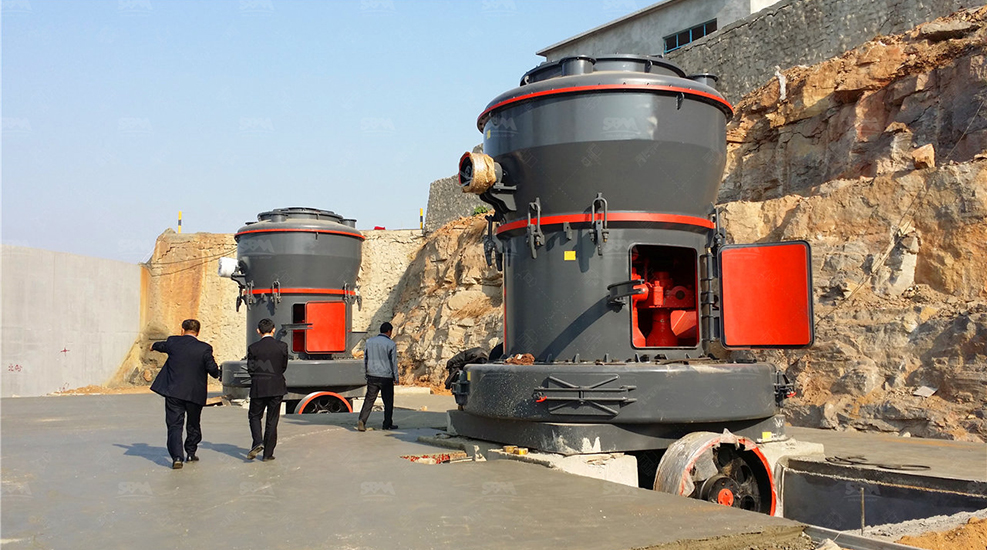
Raymond Mills and their advanced counterparts like the MTM Medium-Speed Grinding Mill represent an evolution in horizontal milling technology. While more compact than traditional Ball Mills, these systems still require horizontal arrangement of multiple components including the main grinding unit, classifier, cyclone separator, and dust collector.
The MTM series from Zenith, such as the MTM160 with a 132 kW motor and capacity of 9-22 t/h, offers improved efficiency in a more compact form factor compared to Ball Mills. However, the system still requires a linear layout with interconnected components, necessitating adequate floor space for proper installation and operation.
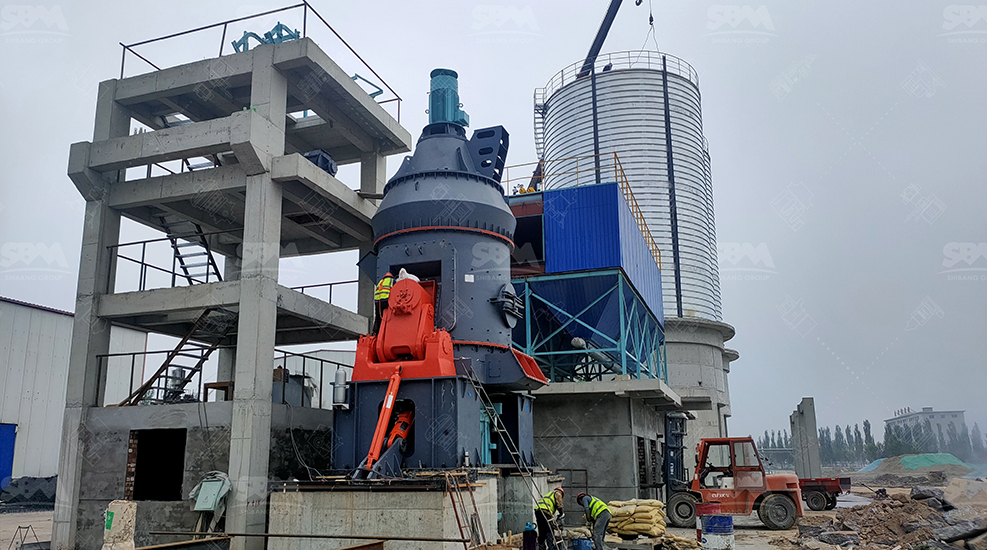
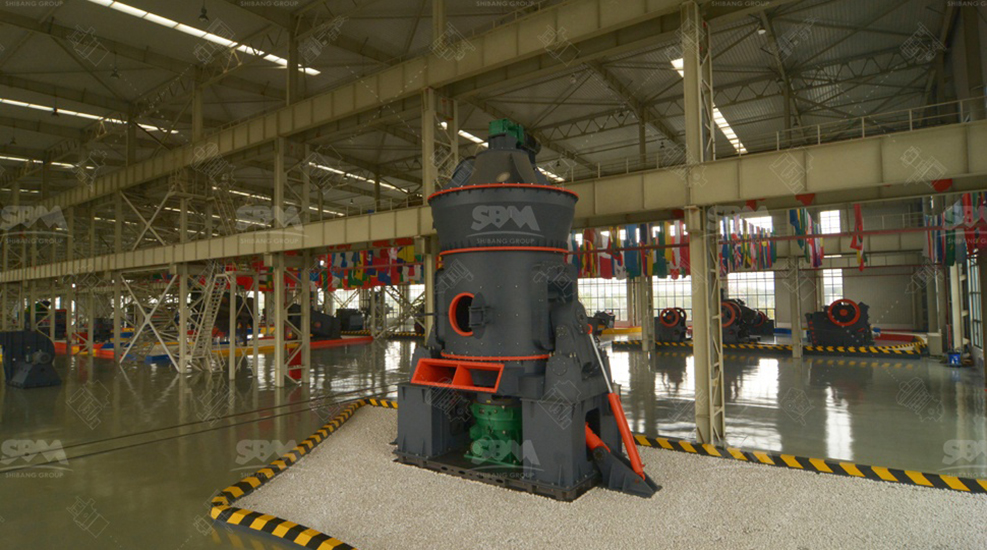
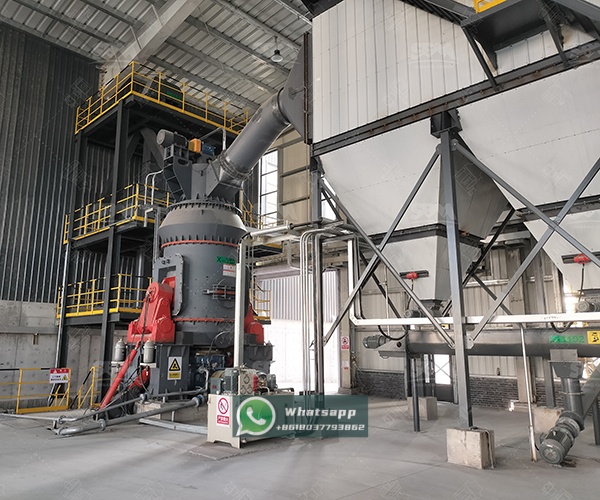
The LM Vertical Grinding Mill represents a significant advancement in footprint optimization. By integrating crushing, grinding, powder selection, drying, and material conveying into a single vertical structure, this design dramatically reduces the required floor space. The vertical configuration allows for a smaller foundation area while maintaining high processing capacity.
Shanghai Zenith’s LM Vertical Grinding Mill series exemplifies this space-efficient design philosophy. For example, the LM190K model with a 500 kW motor can process 23-68 t/h of material while occupying significantly less floor space than horizontal mills of comparable capacity. The vertical arrangement naturally facilitates gravity-assisted material flow, reducing the need for additional conveying equipment.
| Model | Plate diameter (mm) | Capacity (t/h) | Output fineness (μm) | Main motor (kW) |
|---|---|---|---|---|
| LM130K | 1300 | 10-28 | 170-40 | 200 |
| LM190K | 1900 | 23-68 | 170-40 | 500 |
| LM280K | 2800 | 50-170 | 170-45 | 1250 |
The compact footprint of the LM Vertical Grinding Mill makes it particularly advantageous for greenfield projects where space optimization is critical or for brownfield expansions where available space is limited. Additionally, the vertical design often simplifies dust collection system integration, further contributing to a cleaner and more organized plant layout.
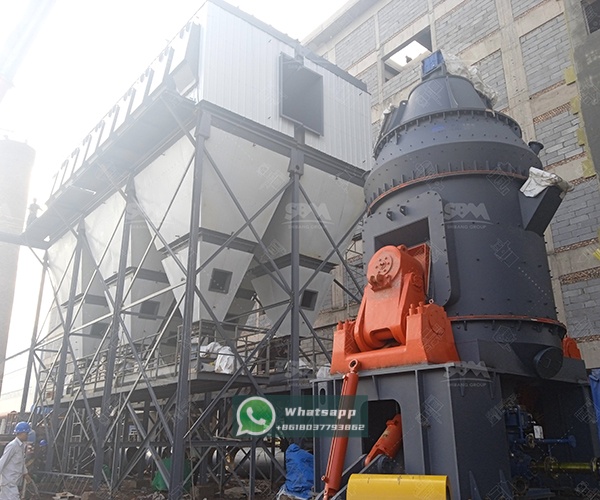
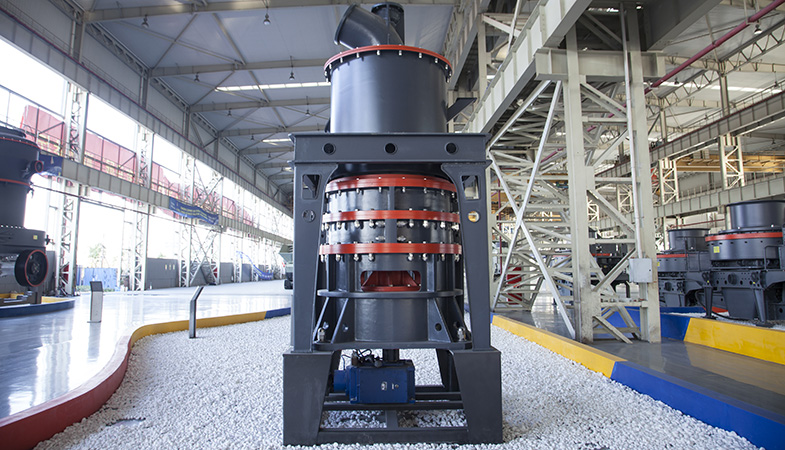
For operations requiring ultra-fine grinding capabilities, the LUM Ultrafine Vertical Mill offers exceptional space efficiency. This advanced mill integrates grinding, drying, classifying, and transportation functions while maintaining a minimal footprint. The sophisticated design allows for production of powders with high content of end-fines (D97 ranging from 5-30μm) without requiring extensive floor space.
Zenith’s LUM series, such as the LUM1836 with 355-400 kW main motor power and capacity of 2.3-15 t/h, demonstrates how vertical mill technology can deliver high-performance ultra-fine grinding in a compact form factor. The intelligent control system further enhances operational efficiency while reducing the need for extensive control room space.
The MTW Trapezium Grinding Mill from Zenith represents a balanced approach between traditional horizontal mills and fully vertical systems. While maintaining a primarily horizontal configuration, it incorporates multiple patents that optimize its spatial requirements. The system’s internal curved duct design and efficient powder separator contribute to a more compact overall footprint compared to conventional horizontal mills.
Models like the MTW215G, with a 280 kW main motor and impressive capacity of 15-45 t/h, deliver high throughput while maintaining reasonable space requirements. The bevel gear overall transmission and centralized lubricating system further contribute to maintenance accessibility, potentially reducing the clearance space needed for servicing.
For specialized applications, mills like the XZM Ultrafine Grinding Mill and Hammer Mills present unique footprint characteristics. The XZM series is designed for superfine powder production (325-2500 mesh) in a relatively compact package, with the XZM268 model requiring only 315 kW motor power while delivering 5000-25000 kg/h capacity.
Hammer Mills, such as Zenith’s HM4015-132 with 132 kW power and 40-70 t/h capacity, offer coarse powder production in a space-efficient horizontal configuration. Their simple design and minimal ancillary equipment requirements make them suitable for operations where floor space is at a premium but ultra-fine grinding is not required.
When evaluating mill systems based on footprint and layout considerations, several key factors emerge:
For operations prioritizing space efficiency, Zenith’s LM Vertical Grinding Mill and LUM Ultrafine Vertical Mill represent optimal choices, particularly for new installations or space-constrained facilities. The LM series stands out for its exceptional capacity-to-footprint ratio, integrating multiple processing stages into a single compact unit.
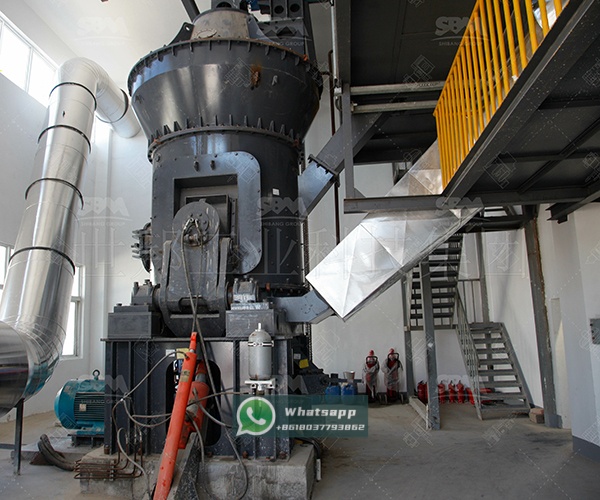
The evolution of grinding mill technology has progressively addressed the critical issue of physical footprint and plant layout optimization. While traditional horizontal mills continue to serve specific applications effectively, modern vertical mill systems offer significant advantages in space utilization, particularly for operations facing spatial constraints or seeking to maximize production density.
Shanghai Zenith Machinery’s comprehensive portfolio, from the high-capacity LM Vertical Grinding Mill to the specialized LUM Ultrafine Vertical Mill, provides solutions tailored to diverse spatial and operational requirements. The company’s focus on integrated system design and compact footprints positions these mills as ideal choices for modern industrial operations where efficient space utilization directly correlates with operational efficiency and profitability.
As industrial facilities continue to face pressure to optimize resource utilization – including physical space – the trend toward vertically integrated, compact mill systems is expected to accelerate, with manufacturers like Zenith leading this important technological evolution.