In the mineral processing and powder production industries, grinding efficiency is a critical factor that directly impacts operational costs, product quality, and overall profitability. Two prominent types of grinding equipment that often come under comparison are the European Mill (represented by advanced designs like MTW and MTM series) and the traditional Ball Mill. This article provides a comprehensive technical comparison between these two grinding technologies, examining their working principles, efficiency metrics, operational characteristics, and ideal applications.
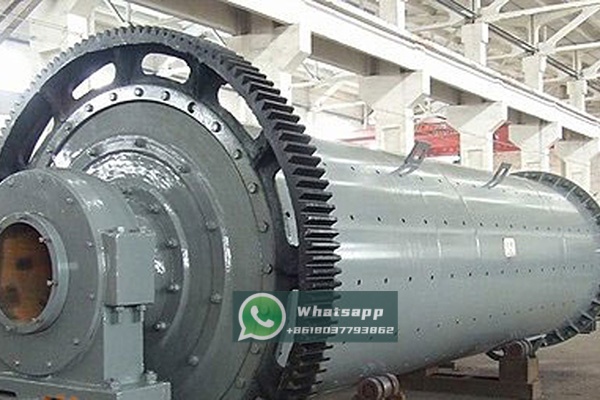
The Ball Mill operates on a relatively simple principle: materials are fed into a rotating cylinder containing grinding media (typically steel balls). As the cylinder rotates, the balls cascade and impact the material, reducing it through a combination of impact and attrition forces. The ground material is then discharged through screens or by overflow mechanisms.
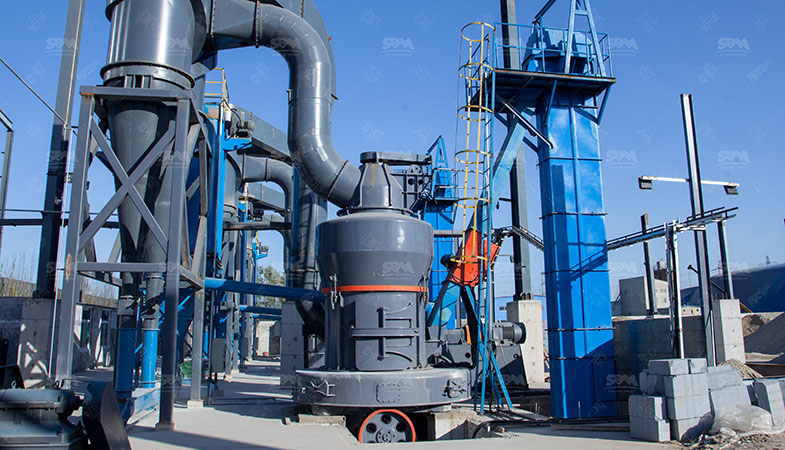
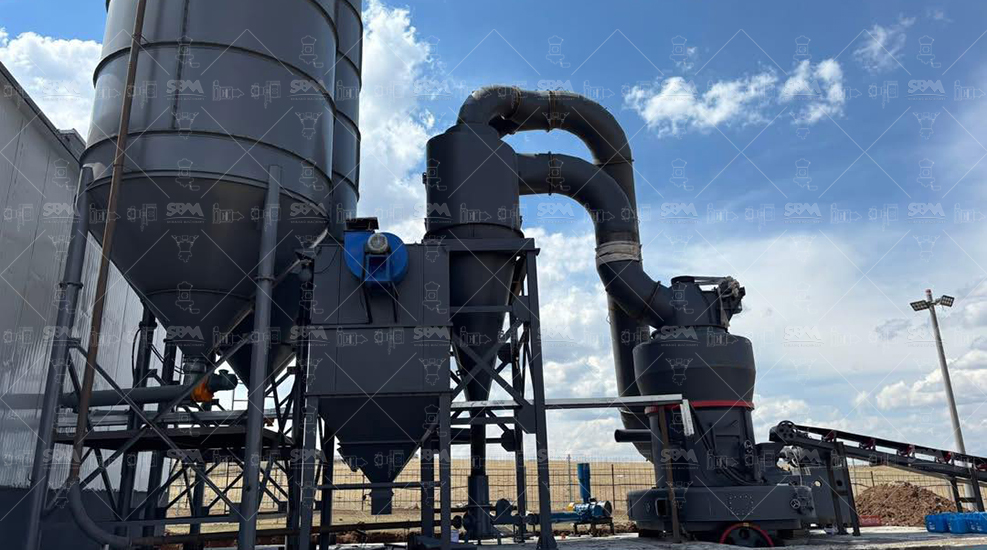
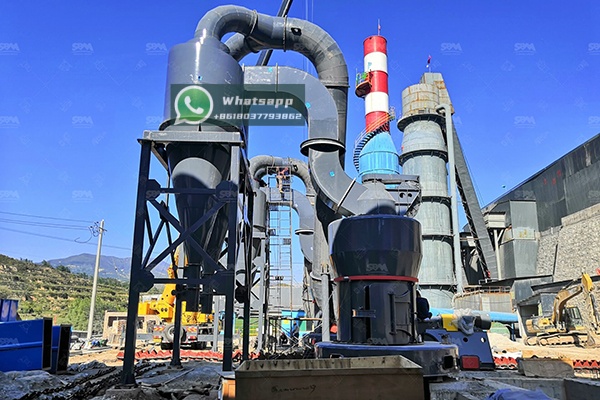
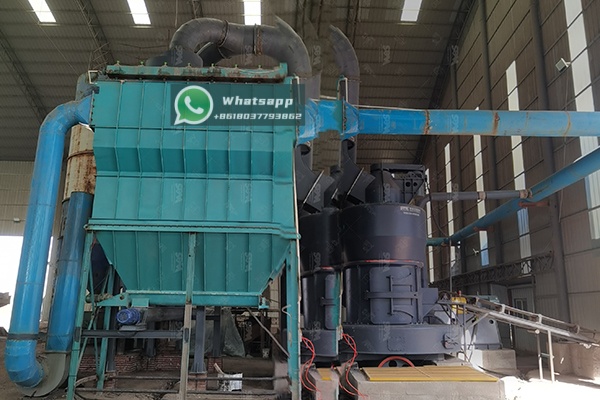
In contrast, European Mills like the MTW Trapezium Grinding Mill employ a more sophisticated approach. Materials are fed into the grinding chamber where they are crushed between grinding rollers and a grinding ring. The ground material is then carried by airflow to the classifier, where oversized particles are separated and returned for further grinding, while properly sized particles are collected as final product.
Ball Mills typically consume significant energy, with much of it being converted to heat and noise rather than productive grinding work. The energy efficiency of Ball Mills generally ranges between 1-5%, meaning that only a small fraction of the input energy is actually used for size reduction.
European Mills demonstrate superior energy efficiency, often achieving 15-40% energy utilization for grinding purposes. The MTW European Trapezium Grinding Mill, for instance, incorporates multiple energy-saving features including curved air duct, internal efficient powder separator, and easy-adjustable fineness of the final products, which collectively contribute to 20-30% energy savings compared to traditional Ball Mills.
Ball Mills can produce materials with fineness ranging from 200 mesh to 425 mesh (74-33 microns), with some specialized designs achieving finer results. However, the particle size distribution tends to be broader, and the grinding process can introduce contamination from worn grinding media.
European Mills excel in producing consistent, high-quality powders with narrow particle size distributions. The MTW series can achieve fineness from 1.6mm to 0.038mm (30-400 mesh) with precise control. The integrated classifier systems ensure that only properly sized particles exit the grinding chamber, resulting in superior product quality.
Ball Mills offer substantial capacity for large-scale operations, with models like the Φ2700×4500 capable of processing 12-90 tons per hour. However, this capacity comes at the cost of significant floor space requirements and high energy consumption.
European Mills provide impressive capacity in a more compact footprint. For example, the MTW215G European Mill can process 15-45 tons per hour while occupying significantly less space than equivalent Ball Mills. The vertical design and integrated systems contribute to this space efficiency.
As an excellent manufacturer of ore grinding equipment in China, Shanghai Zenith Machinery Co., Ltd. has made significant achievements in the field of ultra-fine powder grinding. The company specializes in the research, development, and production of industrial powder grinding equipment, offering comprehensive solutions for various grinding applications.
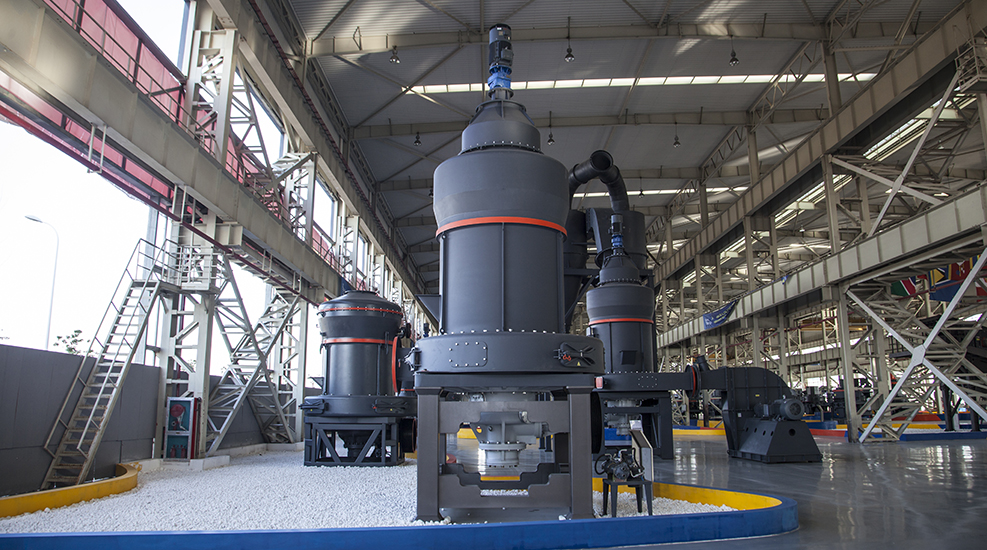
For operations seeking high efficiency and reliability, Zenith’s MTW European Trapezium Grinding Mill represents the pinnacle of grinding technology. This advanced mill incorporates multiple patents and features that make it ideal for modern grinding requirements.
| Model | Max. Feed Size (mm) | Final Size (mm) | Capacity (t/h) | Main Motor (kW) | Fan Motor (kW) |
|---|---|---|---|---|---|
| MTW110 | <30 | 1.6-0.045 | 3-9 | 55 | 55 |
| MTW110Z | <30 | 1.6-0.045 | 3-10 | 55 | 55 |
| MTW138Z | <35 | 1.6-0.045 | 6-17 | 90 | 110 |
| MTW175G | <40 | 1.6-0.045 | 9.5-25 | 160 | 200 |
| MTW215G | <50 | 1.6-0.045 | 15-45 | 280 | 315 |
The MTW series features several technological advantages including bevel gear overall transmission, internal thin oil lubrication system, and arc air channel design. These features contribute to higher grinding efficiency, lower energy consumption, and longer service life compared to conventional grinding mills.
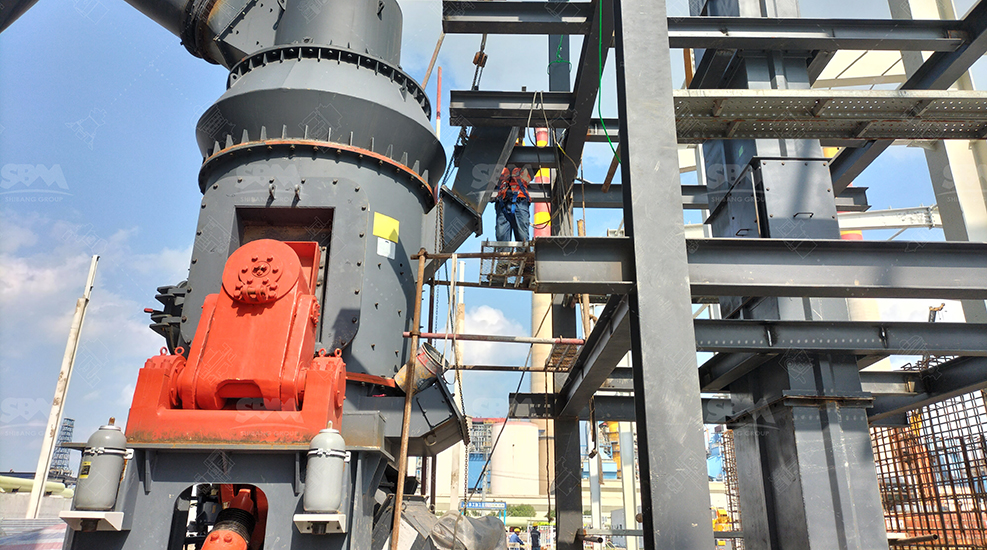
For applications requiring ultra-fine grinding capabilities, Zenith’s LUM Ultrafine Vertical Mill offers exceptional performance. This mill integrates grinding, drying, classifying, and transportation functions in a single compact unit.
| Model | Main Machine Power (kW) | Capacity (t/h) | Size Distribution D97 (μm) |
|---|---|---|---|
| LUM1525 | 220-250 | 1.6-11.5 | 5-30 |
| LUM1632 | 280-315 | 2.0-13.5 | 5-30 |
| LUM1836 | 355-400 | 2.3-15 | 5-30 |
The LUM series is designed to produce products with high content of end-fines and features intelligent control for easier maintenance. Its advanced classification system ensures precise particle size control, making it ideal for high-value powder production.
Ball Mills require regular maintenance including liner replacement, ball charge replenishment, and bearing maintenance. The grinding media itself represents a significant ongoing cost, as balls wear down and need replacement. Downtime for maintenance can be substantial, affecting overall plant availability.
European Mills generally require less frequent maintenance. The MTW series, for example, features an automatic lubrication system that reduces manual maintenance requirements. The wear parts are designed for easy replacement, minimizing downtime. The absence of grinding media eliminates the cost and maintenance associated with ball charging.
Ball Mills typically operate at high noise levels (often exceeding 100 dB), requiring substantial soundproofing measures. Dust control can be challenging, and the energy-intensive operation results in higher carbon emissions.
European Mills operate more quietly and incorporate advanced dust collection systems. The MTW series features excellent sealing performance, effectively preventing dust leakage. The higher energy efficiency also translates to lower carbon emissions per ton of processed material.
Ball Mills remain the preferred choice for certain applications:
Zenith’s Ball Mill series, including the GMQY models with capacities up to 400 t/h, provide reliable performance for these demanding applications.
European Mills excel in these scenarios:
The choice between European Mills and Ball Mills depends on specific operational requirements, material characteristics, and economic considerations. While Ball Mills offer robustness and high capacity for certain applications, European Mills like Shanghai Zenith’s MTW series provide superior energy efficiency, better product quality control, and lower operating costs for most dry grinding applications.
Shanghai Zenith Machinery’s comprehensive range of grinding equipment ensures that operators can select the optimal technology for their specific needs. The MTW European Trapezium Grinding Mill stands out for its advanced features and efficiency, while the LUM Ultrafine Vertical Mill offers exceptional performance for ultra-fine grinding applications. By understanding the comparative advantages of each technology, operators can make informed decisions that optimize their grinding operations for maximum efficiency and profitability.
As grinding technology continues to evolve, the trend clearly favors more efficient, environmentally friendly solutions like those offered by Shanghai Zenith Machinery. The company’s commitment to research and development ensures that their equipment remains at the forefront of grinding technology, providing customers with competitive advantages in an increasingly demanding market.