Zambia’s ceramic industry has witnessed steady growth over the past decade, driven by increasing demand for tiles, sanitary ware, and decorative ceramics. Basalt, a fine-grained volcanic rock rich in silica, alumina, and iron oxides, is an excellent raw material for ceramic bodies and glazes. Its high hardness (Mohs 6–7) and abrasiveness, however, require robust grinding equipment capable of producing fine powders (typically 100–200 mesh or finer) with consistent particle size distribution. For a production scale of 1–3 tons per hour, selecting the right milling solution is critical to balance capital investment, operating cost, and product quality.
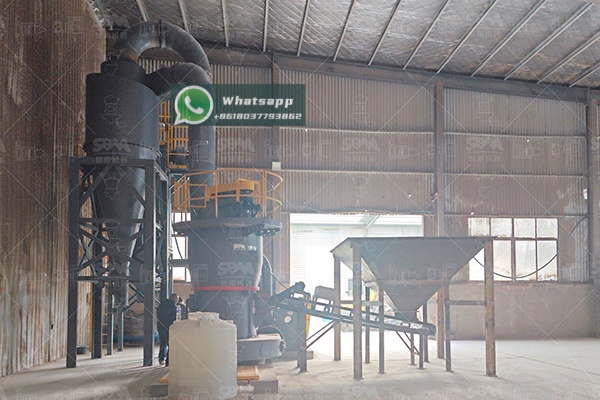
Basalt offers several advantages as a ceramic ingredient: it provides high mechanical strength, thermal stability, and a natural dark color that can be exploited in artistic ceramic products. When ground to a fine powder, basalt acts as a fluxing agent, lowering the sintering temperature and improving the densification of ceramic bodies. In Zambia, local basalt deposits are abundant in the Copperbelt and Central provinces, making it a cost-effective alternative to imported feldspar or silica. However, efficient milling is the key to unlocking its full potential.
For a small to medium-scale ceramic operation, a grinding mill that reliably delivers 1–3 tons per hour of basalt powder with fineness ranging from 0.045 mm to 0.6 mm is ideal. The equipment must be durable, energy-efficient, and easy to maintain—especially in remote areas where technical support may be limited. Shanghai Zenith Machinery Co., Ltd. offers several mill models that fit this capacity window, among which the Raymond Mill YGM8314 and the MTW Trapezium Grinding Mill MTW110 are particularly well-suited.
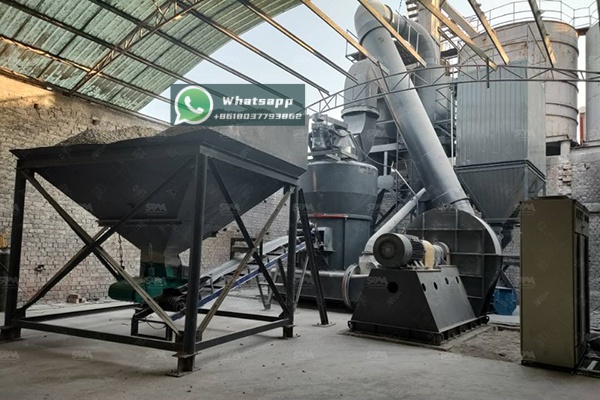
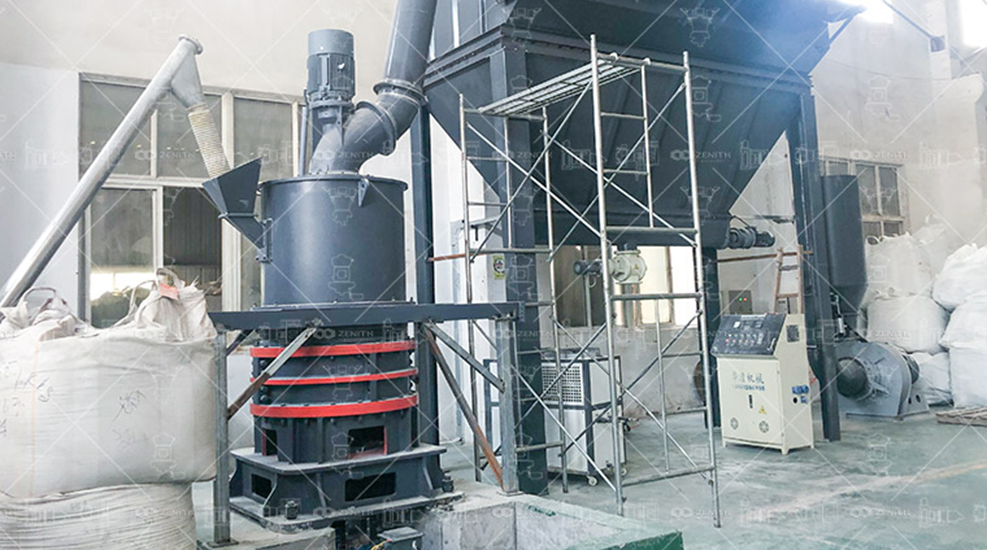
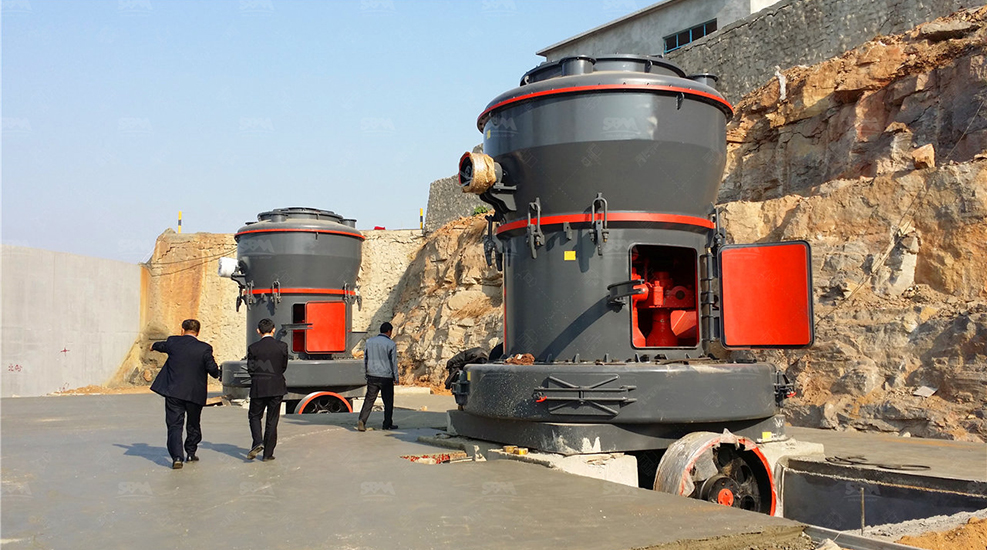
The YGM8314 Raymond Mill is a classic, reliable choice for grinding basalt into ceramic-grade powder. It features a three-roller design with a grinding ring and shovel, delivering a fineness of 1.6–0.045 mm (10–325 mesh). Its capacity range of 1.2–4.6 t/h perfectly covers the 1–3 tph requirement. The mill is equipped with a high-pressure spring that increases grinding force, making it highly efficient for hard materials like basalt. Additionally, its compact footprint and simple operation make it ideal for small plants in Zambia.
| Parameter | Value |
|---|---|
| Roller Quantity | 3 pcs |
| Max. Feed Size | 20 mm |
| Discharging Size | 1.6–0.045 mm |
| Capacity | 1.2–4.6 t/h |
| Main Motor Power | 37 kW |
| Fan Motor Power | 30 kW |
| Overall Weight | ~15 t |
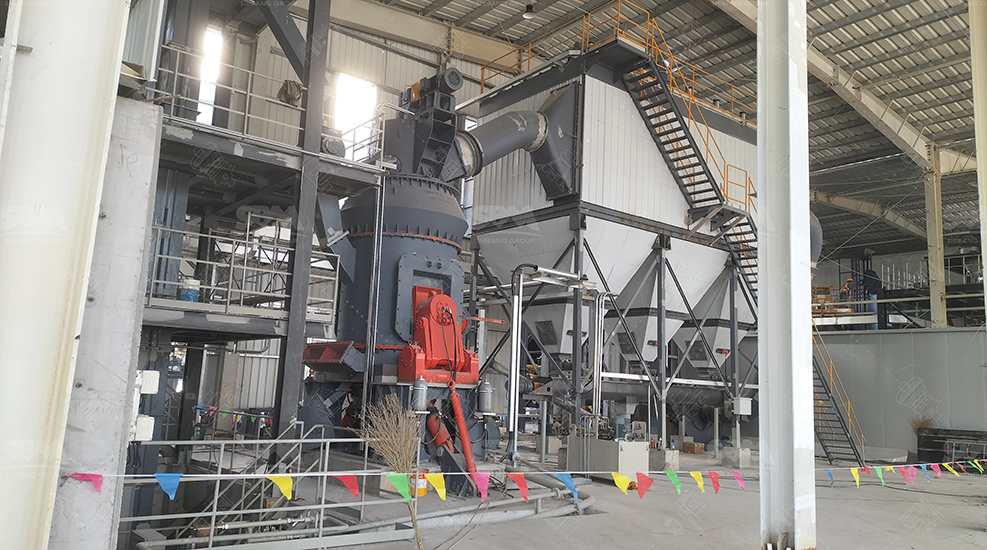
For customers seeking higher efficiency and lower energy consumption, the MTW110 Trapezium Mill is an upgraded alternative. This patented mill uses a trapezium-shaped roller and ring to increase grinding area, and its thin-oil lubrication system reduces maintenance downtime. The MTW110 has a capacity of 3–9 t/h at a fineness of 1.6–0.045 mm. Although its lower end (3 t/h) matches the upper limit of the required range, it can be operated at reduced throughput for the 1–3 tph range with excellent stability. It is particularly advantageous when scaling up production in the future.
| Parameter | Value |
|---|---|
| Max. Feed Size | 30 mm |
| Final Size | 1.6–0.045 mm |
| Capacity | 3–9 t/h |
| Main Motor | 55 kW |
| Fan Motor | 55 kW |
| Ring & Roller Number | 4 sets |
| Lubrication | Thin oil automatic |
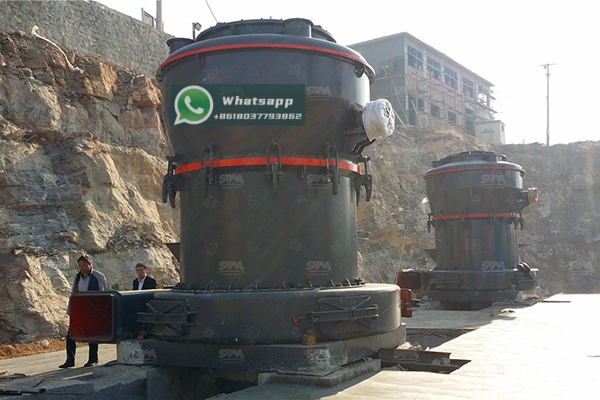
When choosing between the YGM8314 and MTW110 for a basalt grinding plant in Zambia, several factors should be considered:
For most 1–3 tph basalt grinding operations in Zambia, the YGM8314 Raymond Mill offers the best cost-performance ratio. However, if the material contains high moisture (above 6%) or if the plant plans to later grind other ceramic raw materials like kaolin or feldspar, the MTW110 provides more flexibility.
Shanghai Zenith Machinery Co., Ltd. has been a leading manufacturer of ore grinding equipment in China for over three decades. Our machines are exported to more than 170 countries, including Zambia, where we have established a strong service network. Every grinding mill undergoes rigorous quality control and is backed by comprehensive after-sales support, including spare parts supply and on-site commissioning guidance. For basalt processing in ceramic applications, Zenith’s mills ensure consistent fineness, high throughput, and long service life.
Grinding basalt for ceramic materials in Zambia at 1–3 tph is a technically achievable goal with the right equipment. Both the YGM8314 Raymond Mill and the MTW110 Trapezium Mill from Shanghai Zenith can deliver the required output and quality. By investing in a proven milling solution, Zambian ceramic manufacturers can reduce raw material costs, improve product consistency, and contribute to the local economy. Contact us today for a customized quotation and process design tailored to your specific basalt characteristics.