Australia has a long history in metallurgical engineering and mineral processing, with abundant natural resources such as iron ore, nickel, copper, and basalt. Basalt, in particular, plays a crucial role not only as an aggregate in construction but also as an important metallurgical flux material. To transform raw basalt into a suitable powder form for metallurgical fluxing, advanced grinding equipment is needed. One of the most efficient and reliable options for this application is a basalt grinding mill with a capacity range of 10–20 tons per hour (TPH).
Shanghai Zenith Machinery Co., Ltd., a leading manufacturer in China, has earned a global reputation in the field of industrial grinding technology. The company specializes in the research, development, and production of high-performance mills for various industries. Zenith’s basalt grinding solutions are well recognized in both domestic and overseas markets, including Australia, where industrial users demand reliable, efficient, and sustainable milling systems.
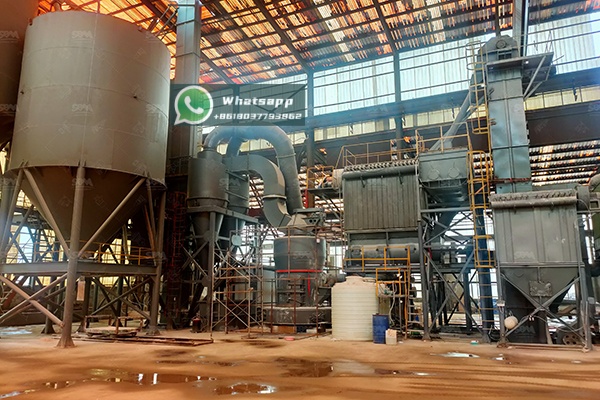
Basalt’s compositional characteristics make it suitable as a flux material in metallurgy. The rock contains a high amount of silica, alumina, and iron oxides, which help regulate slag viscosity and improve the efficiency of smelting operations. However, to use basalt as a flux, it needs to be ground into fine powder with a specific fineness and particle size distribution. Proper grinding not only enhances the reactivity of basalt in metallurgical reactions but also improves material homogeneity within the furnace.
For industrial-scale applications such as steelmaking and non-ferrous metal refining, the grinding process must ensure stable output, high energy efficiency, and controlled particle size. This is precisely where modern grinding mills like Zenith’s MTW Trapezium Grinding Mill and LM Vertical Grinding Mill demonstrate superior performance.
For basalt grinding in the 10–20 TPH range, several factors must be considered in equipment selection: material hardness, feed size, product fineness, moisture content, and the overall operational environment. Basalt’s Mohs hardness typically ranges from 6 to 7, which requires mills with robust wear-resistant components and optimized grinding efficiency.
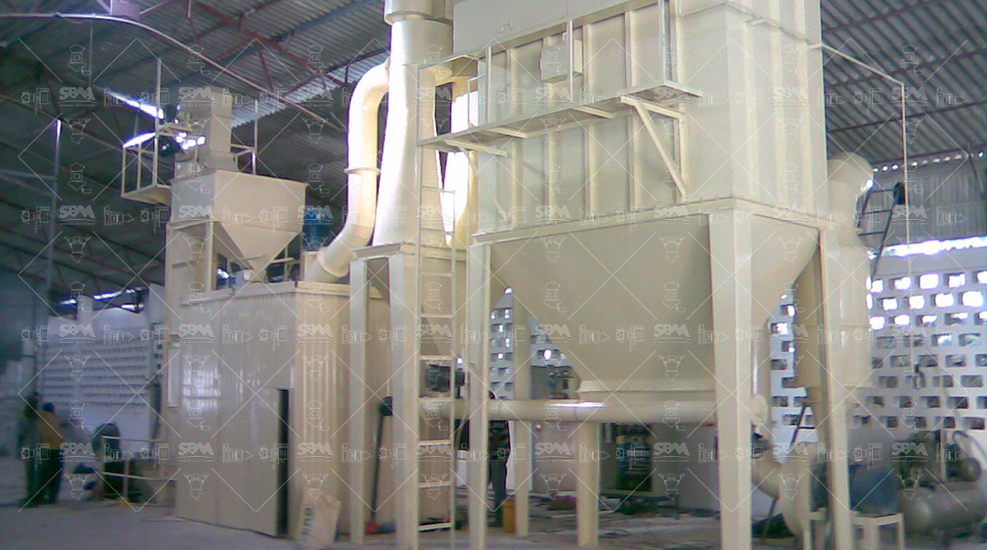
Shanghai Zenith Machinery Co., Ltd. provides multiple solutions that fit this range of production capacity. Among the most suitable choices are the MTW Trapezium Grinding Mill and the LM Vertical Grinding Mill, both of which can meet the 10–20 TPH demand with high stability and precision.
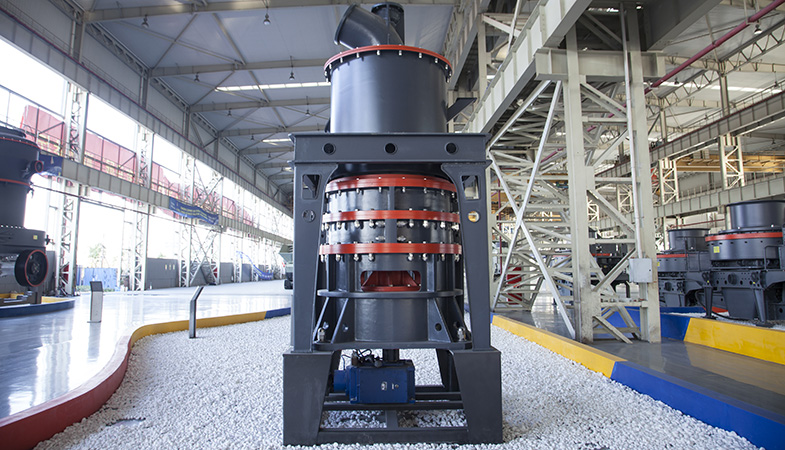
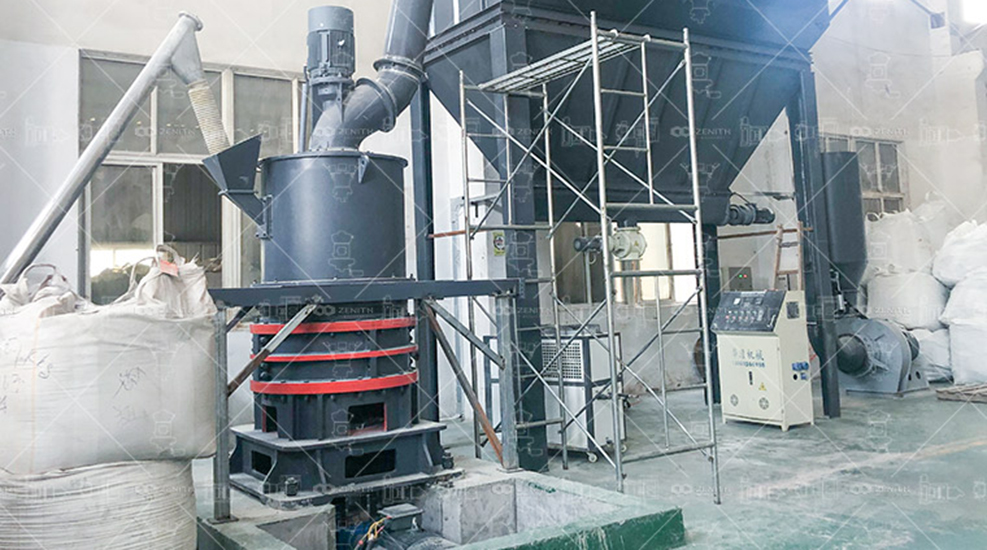
The MTW Trapezium Grinding Mill is a state-of-the-art piece of equipment specifically designed for fine and medium grinding applications in metallurgy, construction, and chemical industries. It offers advanced internal structure, excellent durability, and high efficiency due to its trapezoidal design and curvature blade system. For basalt grinding, this mill ensures uniform powder fineness and reduced maintenance downtime.
| Model | Max. Feed Size (mm) | Final size (mm) | Capacity (t/h) | Main motor (kW) | Fan motor (kW) |
|---|---|---|---|---|---|
| MTW110Z | <30 | 1.6–0.045 | 3–10 | 55 | 55 |
| MTW138Z | <35 | 1.6–0.045 | 6–17 | 90 | 110 |
| MTW175G | <40 | 1.6–0.045 | 9.5–25 | 160 | 200 |
Within a 10–20 TPH application range, the MTW138Z or MTW175G are excellent options. They offer stable performance and energy-efficient output, precisely matching the needs of basalt grinding for metallurgical flux preparation in Australia.
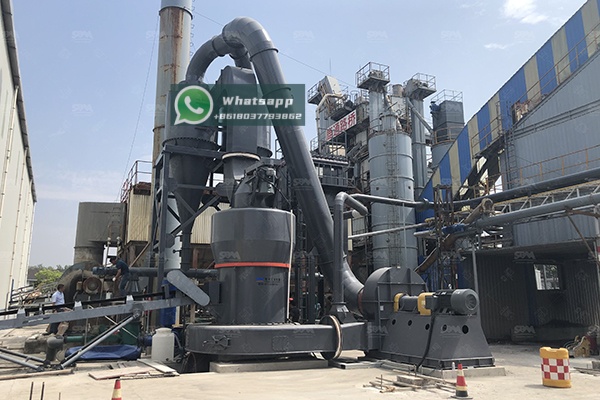
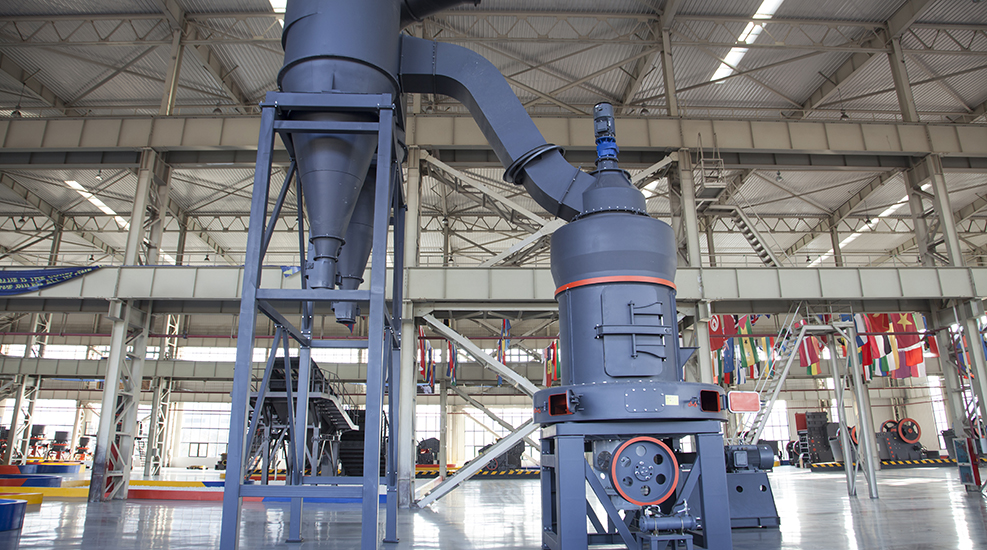
Alternatively, the LM Vertical Grinding Mill from Shanghai Zenith provides an integrated solution that combines grinding, drying, classification, and material conveying in a single system. This integration makes it ideal for situations where moisture control and space-saving installation are vital. The LM Vertical Mill’s versatility also allows it to process a wide range of non-metallic minerals, including basalt.
| Model | Plate Diameter (mm) | Capacity (t/h) | Output Fineness (μm) | Max Feed Size (mm) | Main Motor (kW) |
|---|---|---|---|---|---|
| LM130K | 1300 | 10–28 | 170–40 | <38 | 200 |
| LM190K | 1900 | 23–68 | 170–40 | <45 | 500 |
| LM280K | 2800 | 50–170 | 170–45 | <50 | 1250 |
For basalt grinding projects with an output requirement of 10–20 TPH, the LM130K model is ideally suited. It ensures a clean and efficient grinding process with minimal dust emissions and low operational costs. Additionally, its compact footprint and integration of drying functions make it particularly advantageous for Australian mining sites located in remote regions.
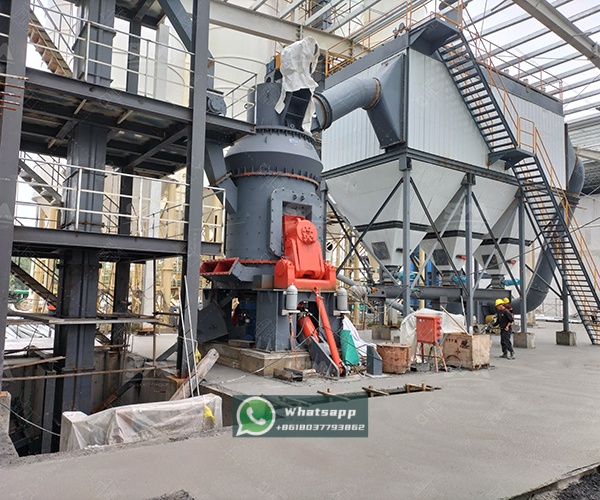
In Australia, the steel, copper, and nickel smelting industries increasingly adopt basalt powder as an economical flux material. Its use helps reduce production costs and improves the composition of slags by balancing the silica and alumina content. Through the adoption of Zenith’s advanced grinding technologies, many plants have achieved finer control over their flux composition, enhancing smelting quality and energy efficiency.
For instance, in Western Australia, a medium-scale steel plant integrated Zenith’s MTW175G mill into its flux preparation line. The system consistently achieved an output of 18 TPH, producing basalt powder at a fineness of D90=45μm. As a result, the plant reported improved metal recovery rates and reduced slag waste generation.
Basalt grinding operations require consistent feeding, temperature control, and proper maintenance of grinding components. Regular inspection of grinding rollers, liners, and classifiers ensures long-term optimal performance. Shanghai Zenith provides comprehensive after-sales support, including spare parts supply, technical training, and on-site maintenance assistance across Australia. Their service network ensures timely response and minimal downtime for industrial users.
As Australia continues to strengthen its metallurgical and mining sectors, the demand for high-quality, efficient grinding systems for raw materials like basalt will persist. Machines such as the MTW Trapezium Grinding Mill and LM Vertical Grinding Mill from Shanghai Zenith Machinery Co., Ltd. offer the technological edge required to meet these demands. With their robust design, precise grinding performance, and sustainable operation, they represent the ideal equipment for producing basalt powder for metallurgy flux applications in the 10–20 TPH production range.
By adopting Zenith’s advanced grinding solutions, Australian metallurgical plants can achieve improved efficiency, reduced operational costs, and contribute to cleaner, more sustainable production processes aligned with modern industrial standards.