Egypt has long been a major hub for ceramic and tile production in the Middle East and North Africa, with a rapidly growing construction sector driving demand for high-quality finished products. In tile manufacturing, bentonite—a clay mineral rich in montmorillonite—plays a critical role as a binder, plasticizer, and suspension agent. It enhances the green strength of unfired tiles, improves rheological properties of glazes, and contributes to the final mechanical durability of the finished product. However, to achieve consistent results and optimal performance, bentonite must be ground to an ultra-fine powder, typically around 800 mesh (approximately 13 microns). This level of fineness ensures excellent dispersion, high surface area, and uniform binding characteristics, which are essential for modern tile production lines.
The particle size of bentonite directly influences the quality of ceramic tiles. At 800 mesh, bentonite exhibits:
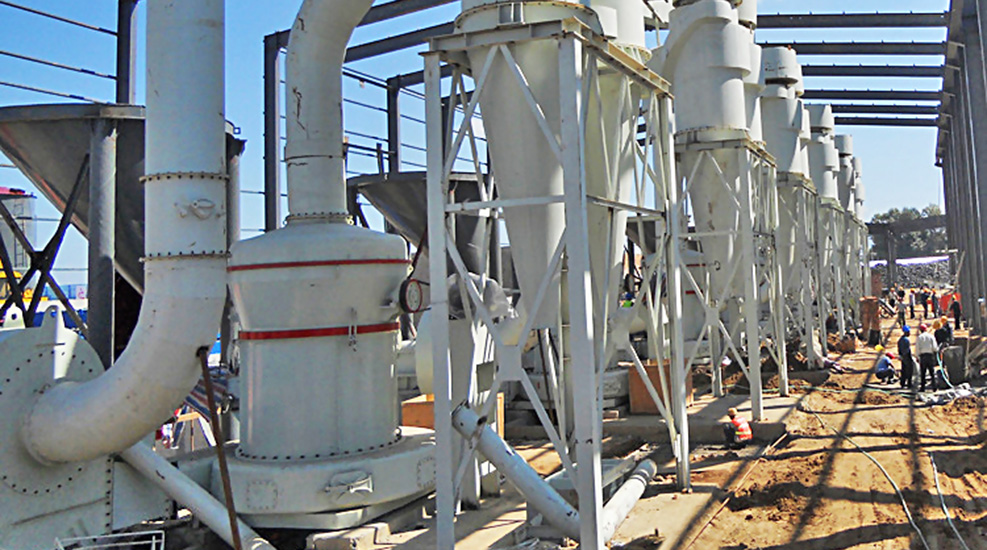
Egyptian tile manufacturers, especially those in industrial zones like Suez, 10th of Ramadan City, and Sadat City, require a reliable, high-capacity grinding solution that can consistently produce 800-mesh bentonite powder with narrow particle size distribution. This is where Shanghai Zenith Machinery Co., Ltd.—a world-class manufacturer of ore grinding equipment—provides state-of-the-art machinery designed specifically for ultra-fine powder applications.
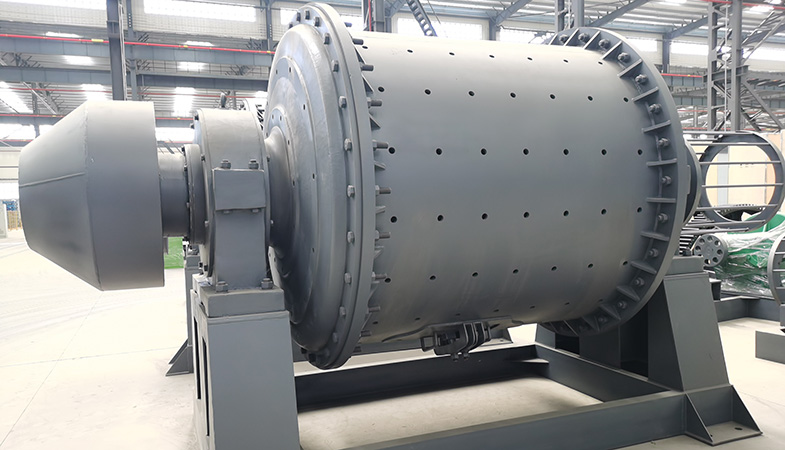
Bentonite is a soft, hygroscopic, and highly cohesive material. Its tendency to agglomerate and cake under heat and moisture makes fine grinding challenging. Traditional ball mills or Raymond mills often struggle to reach 800 mesh without sacrificing efficiency or causing frequent blockages. Moreover, the high moisture content of raw bentonite (sometimes up to 15-20%) requires effective drying during grinding. An ideal mill for this application must combine grinding, drying, classifying, and conveying in one integrated process.
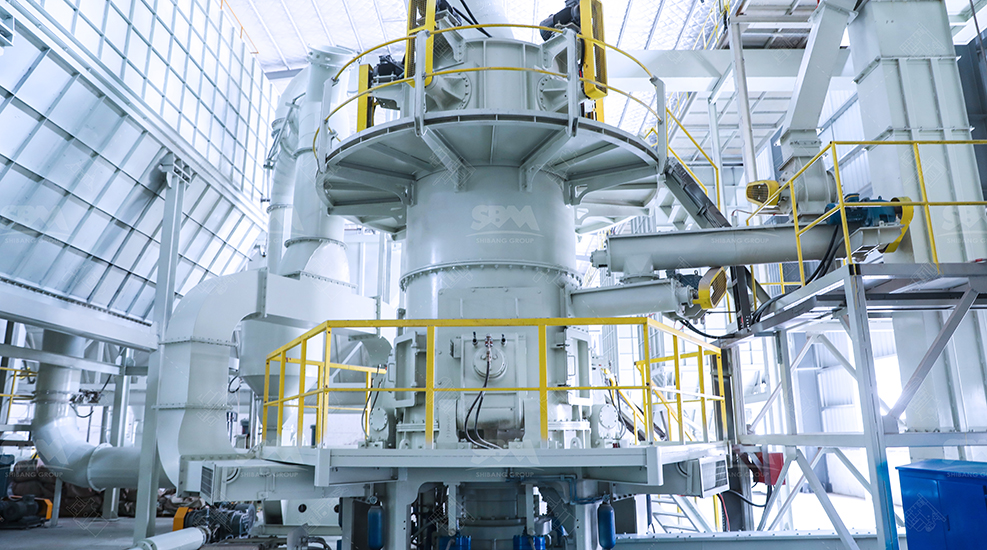
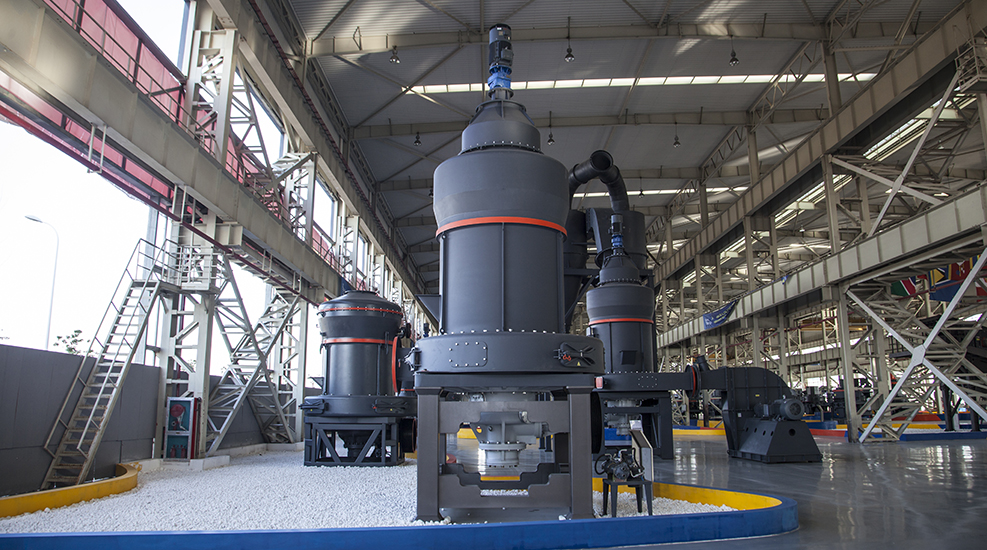
Based on our extensive experience in the non-metallic mineral processing industry, we recommend two specific mill models from our product line that are ideally suited for producing 800-mesh bentonite powder for Egyptian tile factories: the XZM221 Ultrafine Grinding Mill and the LUM1525 Ultrafine Vertical Mill. Both machines can easily achieve 800 mesh (D97 < 13 μm) with high throughput and low energy consumption.
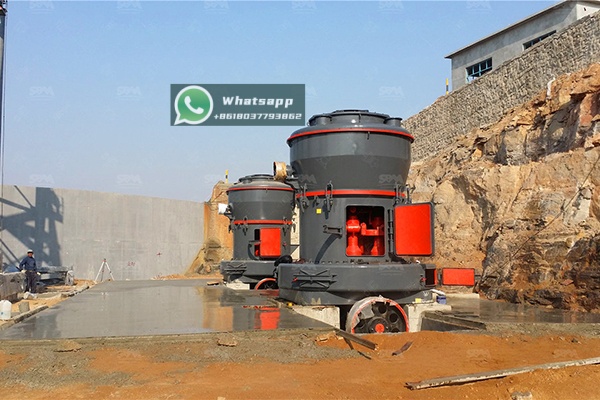
The XZM series is specifically engineered for superfine powder production. It uses multiple grinding rollers that rotate around a central shaft, pressing against a stationary grinding ring. A high-efficiency classifier ensures that only particles finer than the preset size pass through, while coarse particles are returned for re-grinding. The XZM221 model offers an output fineness range of 325-2500 mesh, making it perfectly capable of producing 800-mesh bentonite. Its compact footprint and built-in air classifier eliminate the need for additional screening equipment.
| Parameter | XZM221 | Note |
|---|---|---|
| Working diameter (mm) | Φ800 | Grinding chamber |
| Max feed size (mm) | ≤20 | Raw bentonite lumps |
| Final size (mesh) | 325-2500 | 800 mesh easily achievable |
| Output (kg/h) | 500-4500 | Depends on fineness & material |
| Main motor power (kW) | 75 | Low energy per ton |
| Classifier motor (kW) | 11 | High precision |
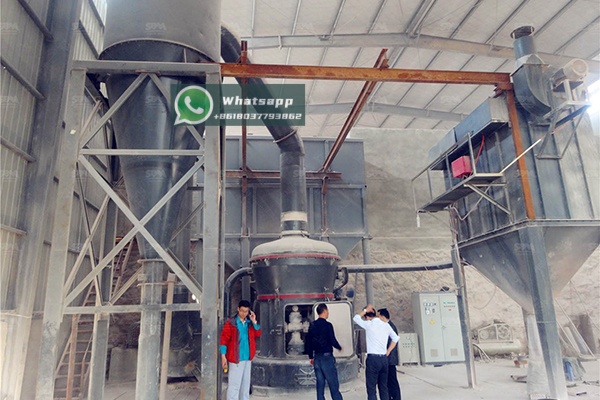
The LUM series represents the latest innovation in vertical roller mill technology, integrating grinding, drying, classifying, and material conveying in one unit. Its unique roller-to-table grinding mechanism creates a thin material bed that generates minimal vibration and noise. The LUM1525 is ideal for processing bentonite with high moisture content because the hot air stream can dry the material while grinding takes place. The classifier adjusts the speed to achieve D97 particle sizes as fine as 5-30 μm, perfectly covering the 800-mesh requirement.
| Parameter | LUM1525 | Note |
|---|---|---|
| Main machine power (kW) | 220-250 | High capacity drive |
| Capacity (t/h) | 1.6-11.5 | Flexible throughput |
| Size distribution D97 (μm) | 5-30 | 5 μm ≈ 2500 mesh, 30 μm ≈ 600 mesh; 13 μm (800 mesh) achievable |
| Max feed size (mm) | ≤15 | Pre-crushed material |
| Integrated drying | Yes | Handles up to 15% moisture |
| Occupational area (m²) | ~30 | Compact footprint |
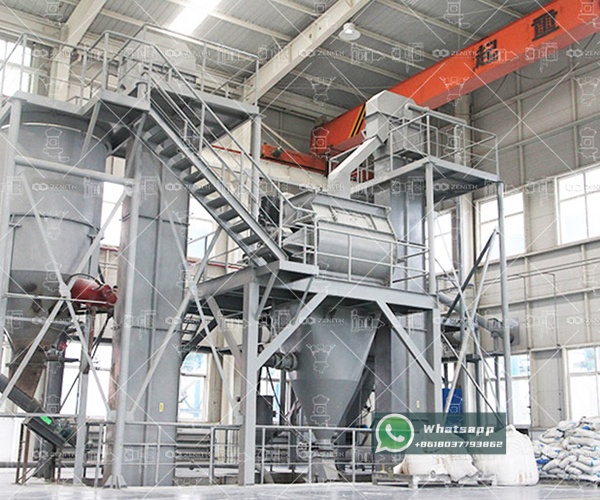
Both the XZM221 and LUM1525 are excellent choices for 800-mesh bentonite grinding. The decision depends on the specific scale and operational conditions of the tile factory:
Both mills are manufactured under strict quality control by Shanghai Zenith Machinery. They have been successfully deployed in various countries for bentonite, barite, calcite, and limestone ultra-fine grinding. For Egyptian tile manufacturers aiming to produce tile of international quality, investing in one of these grinding mills ensures consistent 800-mesh product with narrow particle distribution (D90 < 13 μm), low energy consumption, and minimal maintenance downtime.
The growing Egyptian tile industry demands reliable, high-efficiency grinding technology to process bentonite to 800 mesh. Shanghai Zenith Machinery Co., Ltd. offers proven solutions with the XZM221 Ultrafine Grinding Mill and the LUM1525 Ultrafine Vertical Mill. Both machines deliver the required fineness, throughput, and operational stability while incorporating advanced features like intelligent control, low noise, and environmental protection. By choosing Zenith equipment, Egyptian producers not only improve product quality but also reduce production costs and enhance their competitiveness in both domestic and export markets. Contact our sales team for a customized layout design and on-site consultation tailored to your specific bentonite characteristics and capacity requirements.