Calcium carbonate plays a critical role in modern metallurgy, particularly in the production of fluxes used during metal refining and smelting. In Indonesia, where the metallurgical industry is expanding alongside infrastructure and manufacturing growth, the demand for high-quality calcium carbonate powder has significantly increased. Processing calcium carbonate efficiently requires advanced grinding technology capable of delivering uniform particle size, high throughput, and low energy consumption.
Shanghai Zenith Machinery Co., Ltd., a leading manufacturer of industrial grinding equipment in China, has developed a series of advanced grinding mills suitable for calcium carbonate processing in metallurgy applications. With decades of expertise in ultra-fine powder grinding, Shanghai Zenith offers reliable and efficient solutions tailored to meet industrial requirements in Indonesia and other global markets.
Calcium carbonate (CaCO3) is widely used as a metallurgy flux — a material that removes impurities during smelting and refining. When subjected to elevated temperatures, calcium carbonate decomposes to form calcium oxide (CaO), which reacts with silica and other impurities to form slag. This slag can then be easily separated from the metal, ensuring a purer final product. Therefore, the fineness and uniformity of calcium carbonate powder directly influence the efficiency and cost-effectiveness of metal production processes.
To maintain consistent metallurgical quality, factories in Indonesia require grinding systems capable of producing calcium carbonate powder within a finely controlled size range — typically between 45 microns and 5 microns — at a steady capacity of 3–5 tons per hour (TPH). This ensures optimal chemical reactivity and uniform fluxing behavior in the furnace.
For a 3–5 TPH production line in Indonesia, several operational factors must be balanced: stability, energy efficiency, particle size control, system integration, and environmental compliance. Grinding systems for calcium carbonate must integrate:
Shanghai Zenith’s range of grinding mills provides the perfect solution to these demands, combining cutting-edge design with proven field performance.
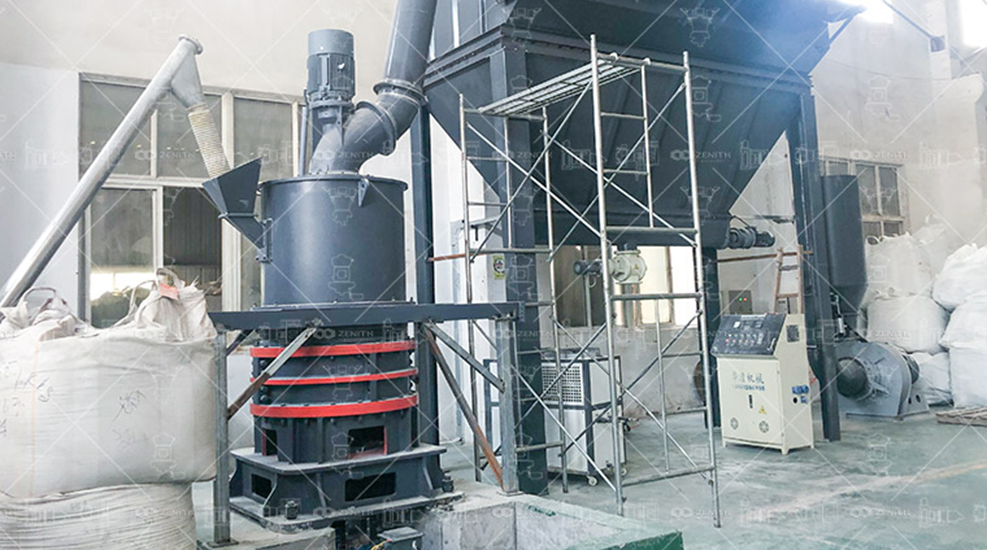
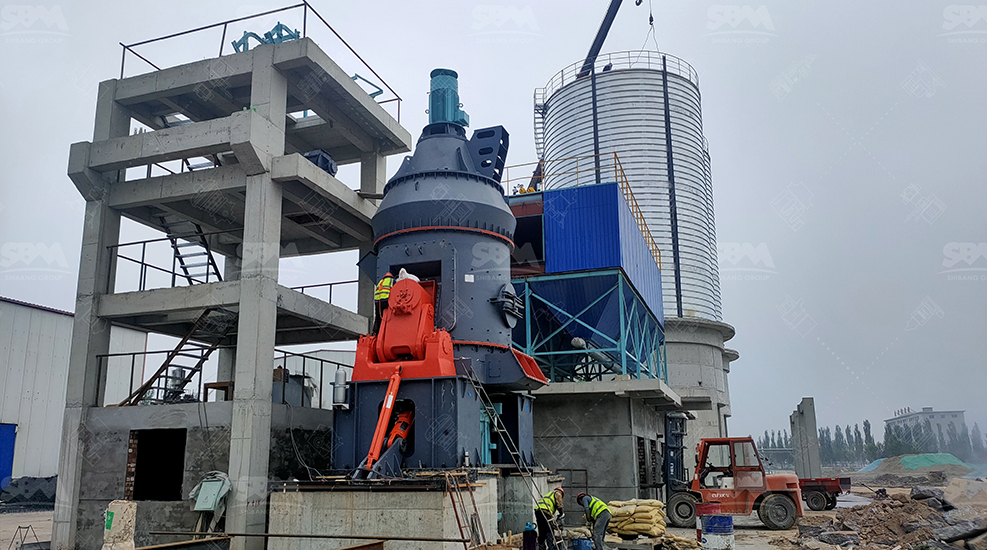
Based on capacity and required fineness, two grinding systems from Shanghai Zenith Machinery are highly recommended for calcium carbonate metallurgy flux production at 3–5 TPH: the MTW Trapezium Grinding Mill and the Ball Mill. These two models represent distinct but complementary grinding solutions: one optimized for fine powder production and one for flexible, continuous operation across diverse material hardness levels.
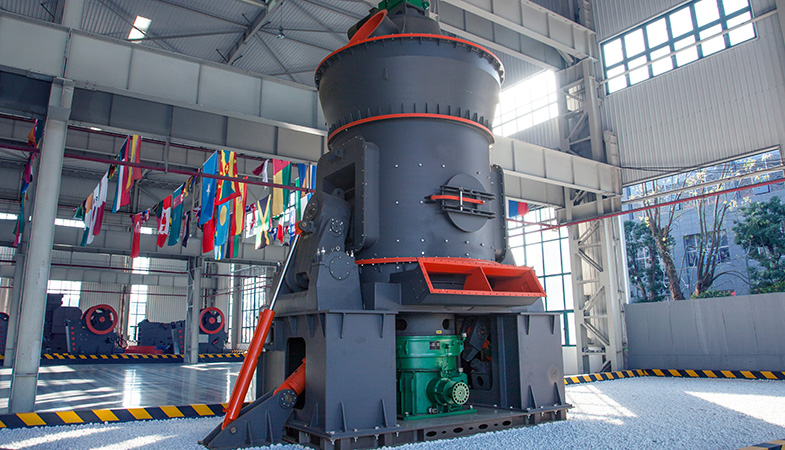
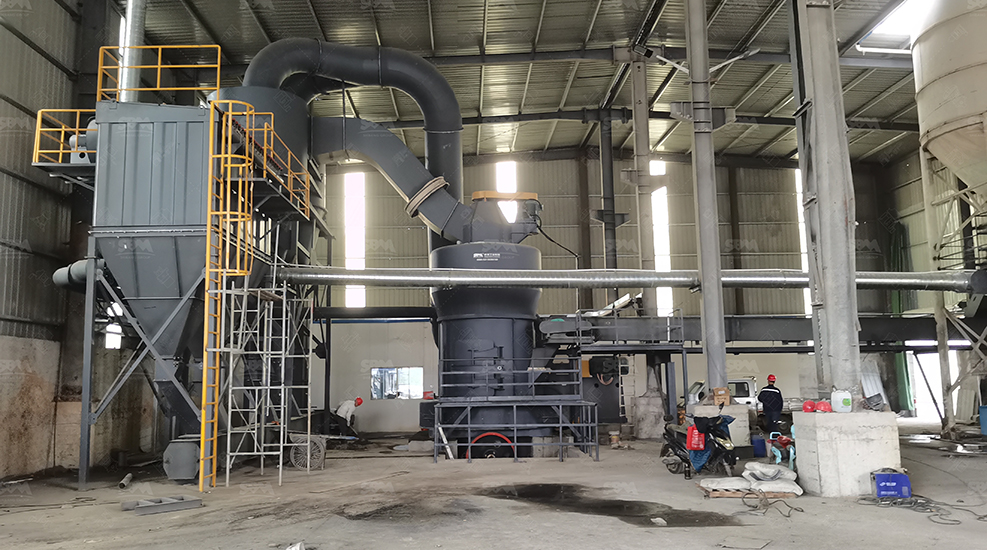
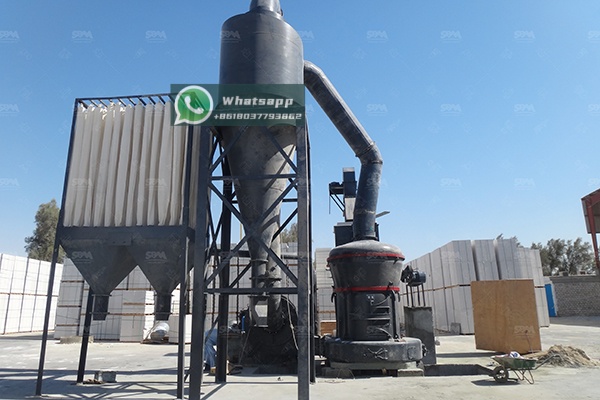
The MTW Trapezium Grinding Mill is a versatile grinder designed for medium to fine grinding applications. It features advanced air-flow systems, efficient powder classifiers, and a compact layout ideal for calcium carbonate production in industrial settings. With a capacity range suited to 3–9 TPH, it aligns perfectly with the 3–5 TPH metallurgy flux requirement. Moreover, its reduced energy consumption and long service life ensure cost-effective operation for Indonesian manufacturers.
| Model | Max. Feed Size (mm) | Final Size (mm) | Capacity (t/h) | Main Motor (kW) | Fan Motor (kW) |
|---|---|---|---|---|---|
| MTW110 | <30 | 1.6–0.045 | 3–9 | 55 | 55 |
| MTW110Z | <30 | 1.6–0.045 | 3–10 | 55 | 55 |
With integrated classification and air circulation, the MTW mill minimizes dust emissions, meeting environmental requirements in industrial zones in Indonesia. Furthermore, its intelligent control system ensures stable operation and reduced labor costs.
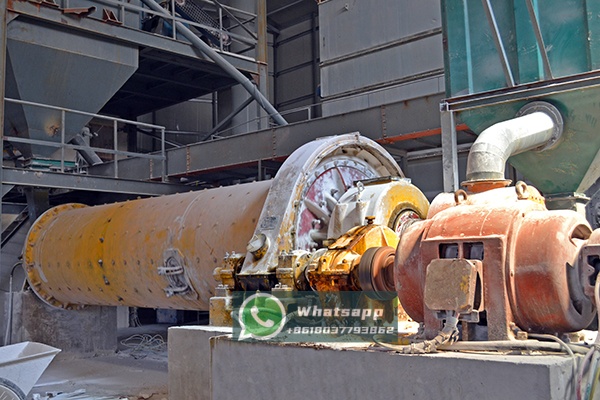
For operations requiring more flexible control over product size and moisture, the Ball Mill remains an ideal alternative. It provides continuous wet or dry grinding capability, adaptable to a variety of raw materials. Given its mechanical robustness, it’s suitable for long-term metallurgical applications with minimal performance degradation.
| Model | Rotate Speed (r/min) | Grinding Media Weight (t) | Output Capacity (t/h) | Motor Power (kW) |
|---|---|---|---|---|
| Φ1500×4500 | 27 | 11 | 3–6 | 110 |
This model offers a perfect 3–5 TPH throughput for metallurgy flux, delivering stable and homogeneous calcium carbonate powder. The Ball Mill’s internal lining and grinding media are designed for wear resistance, prolonging service life even under abrasive conditions. Additionally, the mill supports integration with dust collection and pneumatic conveying systems for a clean production environment.
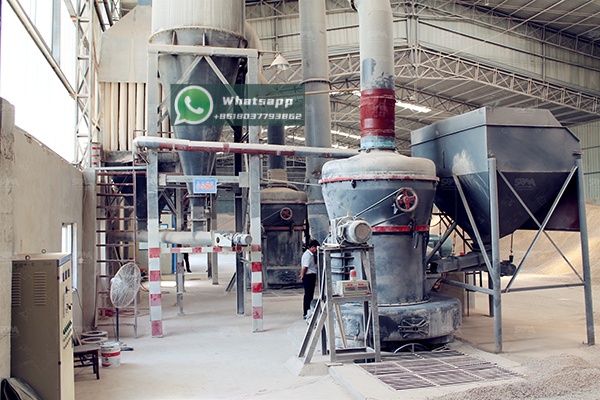
A typical system layout for a 3–5 TPH calcium carbonate grinding plant using the MTW Trapezium Mill or Ball Mill includes:
This configuration guarantees uniform fineness control, typically between 45 μm and 10 μm. Optional integration with drying units ensures moisture content under 1%, enhancing flux reactivity in metallurgical furnaces.
Shanghai Zenith Machinery Co., Ltd. brings innovation, precision, and reliability to industrial grinding systems. Below are some of the major advantages of using Zenith mills for calcium carbonate metallurgy flux:
Indonesia’s metallurgy sector benefits from a steady supply of domestic raw materials such as limestone, which is ideal for calcium carbonate production. With expanding infrastructure and industrial manufacturing projects, demand for refined metals and high-quality flux materials continues to grow. This drives the need for investment in efficient grinding technology to meet production and environmental targets simultaneously.
Establishing a 3–5 TPH calcium carbonate grinding line with Zenith’s MTW Trapezium Mill or Ball Mill allows Indonesian producers to enhance profitability and quality control across their supply chain – from limestone ore input to metallurgical flux output.
In summary, efficient production of calcium carbonate for metallurgical flux in Indonesia depends heavily on stable, precise, and energy-efficient grinding technologies. Shanghai Zenith Machinery Co., Ltd. provides a comprehensive range of options suitable for 3–5 TPH production scales, combining European technology with local adaptability. Whether through the MTW Trapezium Grinding Mill for high-precision powder or the Ball Mill for flexible production, Zenith ensures outstanding performance and long-term reliability in metallurgy flux applications.
Manufacturers in Indonesia investing in Zenith’s grinding solutions can expect improved process efficiency, reduced operational costs, and enhanced metallurgical product quality—solidifying their position in an increasingly competitive industrial landscape.