The ceramic industry in South Africa has continued to expand, driven by demand for tiles, sanitaryware, refractories, and advanced ceramic products. Among the many raw materials used in ceramic formulations, carbon black stands out as a versatile additive that imparts black coloration, improves electrical conductivity, and enhances mechanical strength in certain ceramic bodies. To obtain the optimum performance from carbon black in ceramic materials, it must be ground to a controlled fineness with a narrow particle size distribution. A carbon black grinding mill for ceramic materials in South Africa with a throughput of 5 to 10 tph offers the balance between production efficiency and product quality that ceramic manufacturers need.
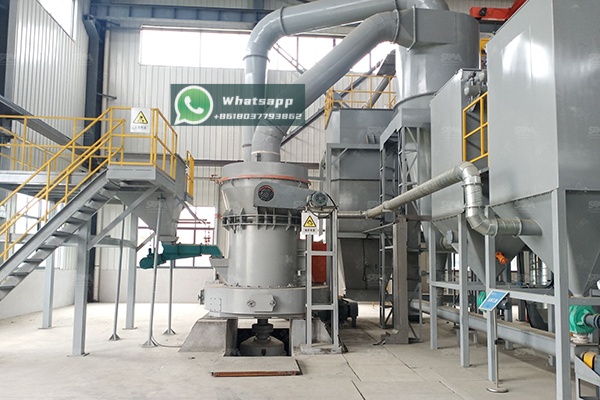
Carbon black is a form of paracrystalline carbon with a high surface-area-to-volume ratio. In ceramic applications, it is used mainly as a pigment for black glazes, ceramic bodies, and ink coatings. It can also be used as a pore former in porous ceramics and as a conductive phase in electroceramics. The performance of carbon black in these applications is influenced by three key factors: particle size, surface chemistry, and dispersion. Grinding helps break down agglomerates and individual particles to the desired micron size, ensuring uniform color development and consistent rheological properties in ceramic slurries.
When grinding carbon black for ceramic materials, the mill must be able to handle a soft but cohesive feed. Carbon black is notoriously difficult to handle because it is prone to agglomeration, has a low bulk density, and can generate dust. Therefore, the grinding system must integrate efficient classification, dust collection, and anti-clogging features. For a South African operation targeting 5 to 10 tph, the equipment must also be robust enough to operate under local conditions, including variable power supply, ambient temperatures, and maintenance schedules.
One of the primary challenges in grinding carbon black is its tendency to smear or coat the grinding media and the interior surfaces of the mill. This can reduce grinding efficiency and cause product contamination. To overcome this, the grinding mill should use a design that minimizes random collisions and promotes a continuous, stable material bed. Roller mills and vertical mills, for example, use compression and shear forces that are more effective than impact alone for soft materials.
Another challenge is particle size control. Ceramic glaze pigments often require carbon black with a median particle size in the range of 5 to 10 microns, while some body applications accept a coarser product, such as 45 microns. The grinding mill’s built-in classifier must have a high degree of precision so that the final powder meets the specification without over-grinding. Over-grinding consumes extra energy, lowers capacity, and can degrade the surface properties of carbon black.
In South Africa, where energy costs are a major concern, an efficient carbon black grinding mill with a capacity of 5 to 10 tph is not only a production tool but also a key factor in the plant’s profitability. The mill’s specific energy consumption, wear part life, and maintenance requirements directly affect the cost per tonne of ground carbon black.
When selecting a grinding mill for carbon black used in ceramic materials, South African producers should evaluate the following criteria:
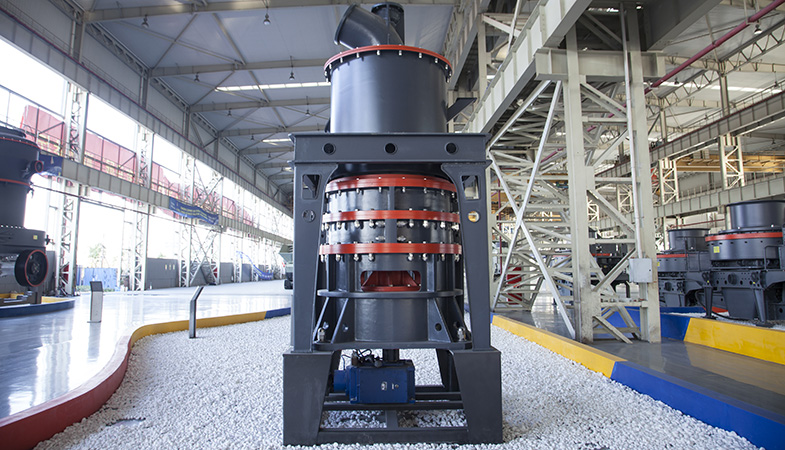
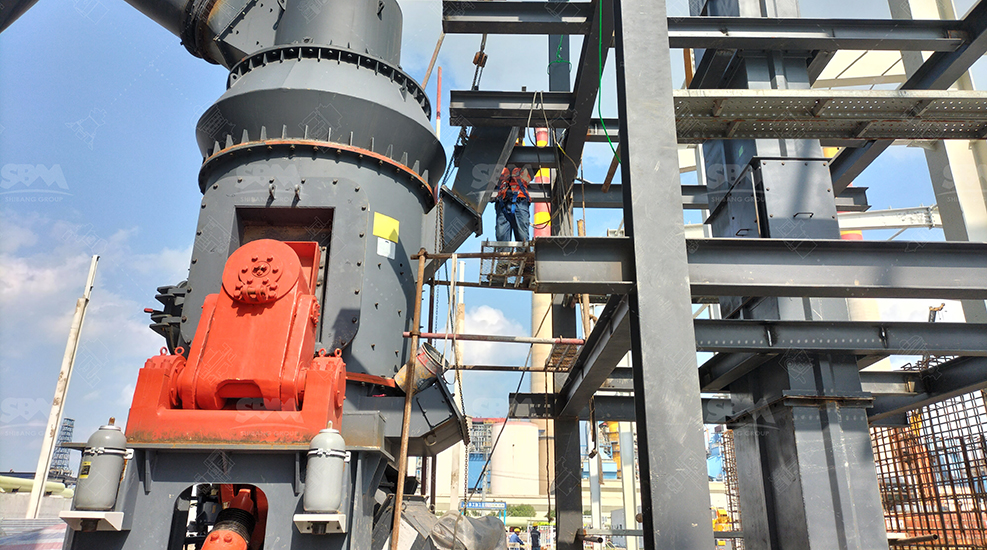
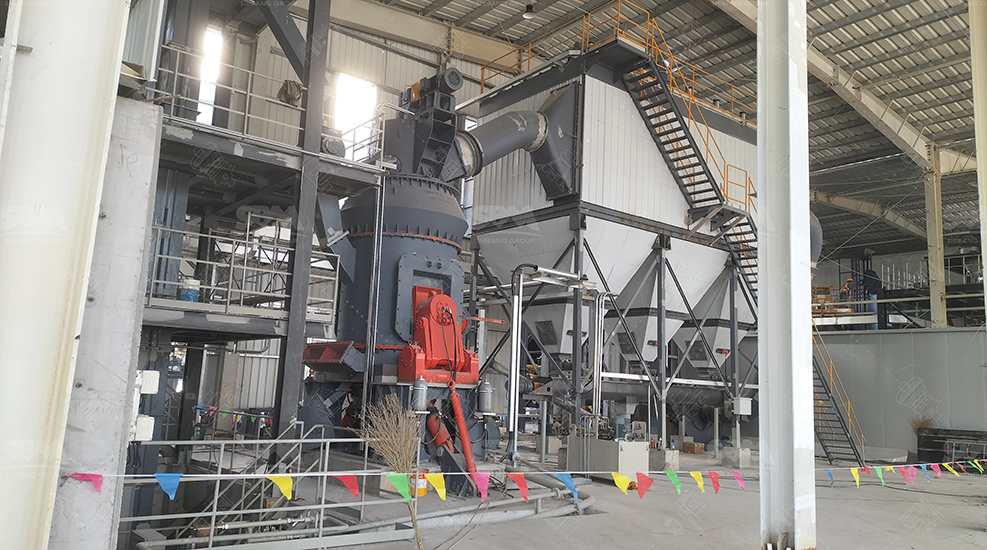
Shanghai Zenith Machinery Co., Ltd. is an excellent manufacturer of ore grinding equipment in China and has made great achievements in the field of ultra-fine powder grinding. Specializing in the research, development, and production of industrial powder grinding equipment, Zenith offers a wide range of mills including MTW Trapezium Grinding Mill, MTM Medium-Speed Grinding Mill, LM Vertical Grinding Mill, LUM Ultrafine Vertical Mill, XZM Ultrafine Grinding Mill, Ball Mill, Raymond Mill, and Hammer Mill. For carbon black grinding for ceramic materials in South Africa with 5-10 tph, we recommend the XZM Ultrafine Grinding Mill and the MTW Trapezium Grinding Mill.
The XZM Ultrafine Grinding Mill is widely used for superfine powder production. It is suitable for grinding soft or medium-hard materials with a moisture content below 6%, which makes it an excellent choice for carbon black. The mill is capable of producing final powder between 325 and 2500 mesh, covering the vast majority of ceramic pigment and glaze requirements. The XZM268 model has an output capacity of 5000 to 25000 kg/h, meaning it can comfortably fulfill the 5 to 10 tph requirement while still providing room for future production increases.
The XZM mill features a compact structure, a high-efficiency classifier, and a strong blower. Inside the mill, the grinding rollers and ring are manufactured from high-alloy steel, giving a long service life. The collection system uses a bag filter to ensure that fine carbon black dust is captured, meeting workplace and environmental standards. In South Africa, the XZM268 can be integrated into an existing ceramic raw material preparation line with minimal footprint.
| Parameter | XZM268 |
|---|---|
| Working diameter (mm) | Φ1680 |
| Max feed size (mm) | ≤20 |
| Final size (mesh) | 325-2500 |
| Output (kg/h) | 5000-25000 |
| Main motor power (kW) | 315 |
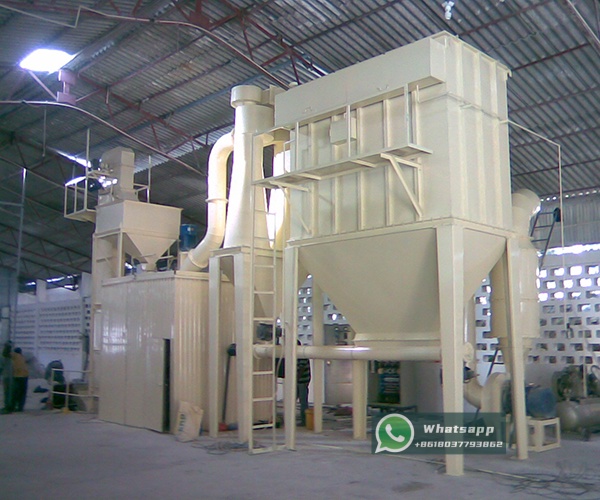
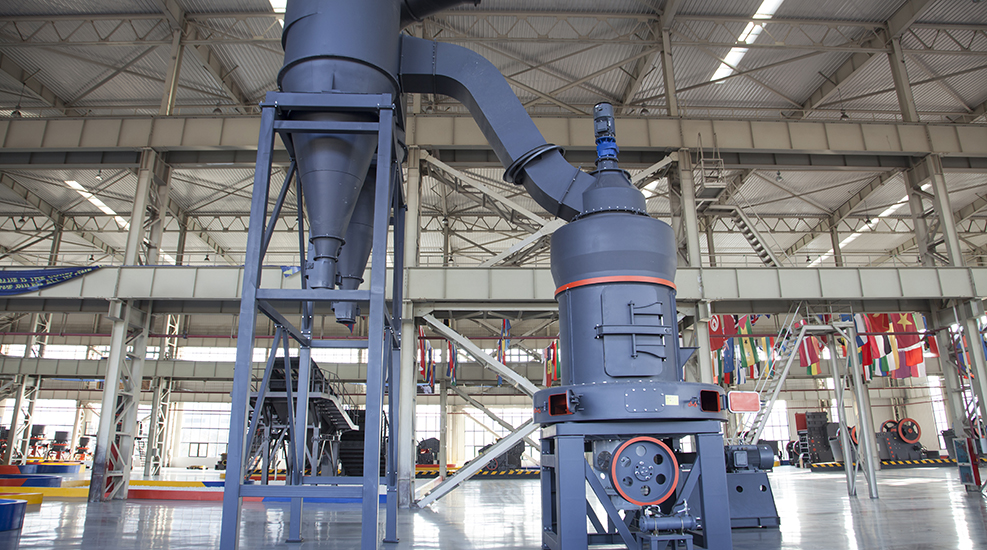
For ceramic producers that require a somewhat coarser product, or that need to process a blend of carbon black with other minerals, the MTW Trapezium Grinding Mill is an excellent alternative. The MTW mill is a patented, multi-purpose machine with compact structure, long service life, and eco-friendly operation. It is suitable for materials with a maximum feed size of 50 mm and can produce a fineness as low as 0.045 mm, which is equivalent to approximately 325 mesh. The MTW110Z model has a capacity of 3 to 10 t/h, making it ideal for the lower end of the 5-10 tph requirement.
The trapezium-shaped grinding roller and ring create an even compressed bed of material, improving grinding efficiency while reducing the risk of coating. The built-in high-efficiency classifier ensures consistent particle size. For a South African ceramics plant, the MTW110Z can be used not only for carbon black but also for other ceramic raw materials such as feldspar, quartz, calcite, and kaolin. This versatility makes the MTW mill a valuable investment.
| Parameter | MTW110Z |
|---|---|
| Max. Feed Size (mm) | <30 |
| Final size (mm) | 1.6-0.045 |
| Capacity (t/h) | 3-10 |
| Main motor (kW) | 55 |
| Fan motor (kW) | 55 |
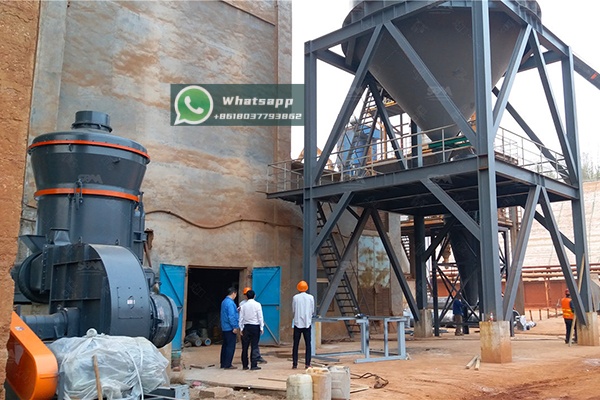
Shanghai Zenith Machinery Co., Ltd. has established a strong reputation as an excellent manufacturer of ore grinding equipment in China. The company has made great achievements in the field of ultra-fine powder grinding, with a complete product portfolio that includes MTW Trapezium Grinding Mill, Ball Mill, MTM Medium-Speed Grinding Mill, Raymond Mill, LM Vertical Grinding Mill, LUM Ultrafine Vertical Mill, XZM Ultrafine Grinding Mill, and Hammer Mill. This broad range allows Zenith to tailor a solution to the exact requirements of each customer.
Zenith’s grinding mills are designed with rigorous engineering standards. Each machine is subjected to strict quality control during manufacturing, and the company continues to invest in new technology to improve energy efficiency and reduce environmental impact. For South African clients, Zenith offers technical documentation, commissioning support, and after-sales service. The proven performance of Zenith equipment in the mining, cement, metallurgical, and ceramics industries around the world gives customers confidence.
Carbon black is a vital component in many ceramic materials, and grinding it to the correct particle size is essential for achieving consistent color, strength, and electrical properties. In South Africa, a carbon black grinding mill capable of 5 to 10 tph must combine high throughput, precise classification, low energy consumption, and robust construction. Shanghai Zenith Machinery Co., Ltd. provides advanced grinding solutions that meet these demands. The XZM Ultrafine Grinding Mill is the recommended choice for fine and superfine carbon black powders, while the MTW Trapezium Grinding Mill offers flexible, reliable operation for slightly coarser products and multiple raw materials.
By selecting the right Zenith grinding mill, ceramic manufacturers in South Africa can improve their production efficiency, reduce operating costs, and produce high-quality ceramic materials that compete in the global market.