The South African market for upgraded industrial minerals is expanding as polymer processors seek lower raw-material costs without sacrificing consistency. A cement clinker grinding mill for plastic filler in South Africa with a capacity of 10-20 tph is a compact production unit that can convert imported or locally supplied cement clinker into a dry, classified powder for compounding applications. Although clinker is normally associated with cement production, its hard and dense mineralogy gives it a reinforcing character when carefully treated. In filler applications the end product must be clean, dry, stable in particle size, and free from tramp metal or oversized grains. This article examines the equipment choice, process layout and operating factors for a 10-20 tph cement-clinker-to-plastic-filler plant in South Africa.
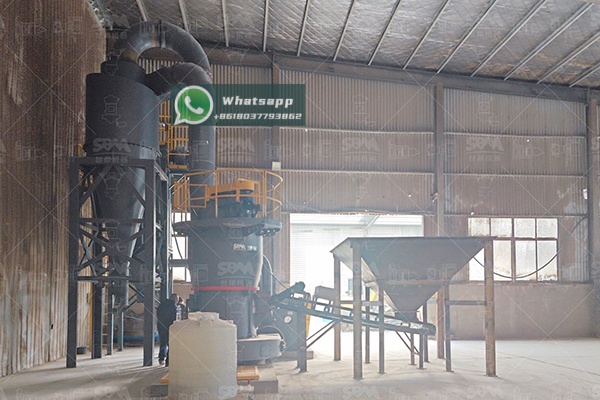
Polymer compounds contain fillers that reduce cost, increase stiffness, improve heat distortion temperature and regulate shrinkage. Traditionally, calcium carbonate and talc dominate the market. However, in selected non-white pipe, cable conduit, pallet and industrial compounding applications, a clinker-derived powder can be accepted as a functional filler because of its high hardness, blocky particle shape and ability to withstand compounding shear. The process is, in simple terms, a closed-circuit dry grinding operation. Clinker lumps are crushed to mill feed size, then pulverized and classified in one machine or a mill plus external classifier. The final powder is collected in bag filters and then delivered to a silo before being packed. For South African toll millers, the same equipment can also process limestone, dolomite, coal, gypsum or cement.
This dual use increases return on investment. A cement mill inside a plant can be swung over to mineral grinding production if marketing management decides to enter the polymer filler sector. The key is to choose a machine that can handle the abrasive clinker at 10-20 tph while still being flexible enough to reach a filler fineness such as 325 mesh.
A 10-20 tph plant is not a small laboratory mill. In South Africa, a line working 6,000 hours per year will produce from 60,000 to 120,000 metric tons, which is a meaningful volume for masterbatch producers, plastic compounders and construction-material traders. Many existing clinker grinding plants in sub-Saharan Africa are built for 30-100 tph and are intended mainly for cement. A 10-20 tph grinding unit, by contrast, is attractive for service companies that need modular capacity, lower capital and shorter erection time. It can also be placed close to polymer industrial zones around Johannesburg, Ekurhuleni, Durban, or Cape Town.
The throughput range requires a mill with enough torque and wind sweeping capacity. If the selected mill is too small, it will have to cut production or sacrifice fineness. If the selected mill is too large, its auxiliary fan and classifier will be running at very low load, which may cause unstable powder flow and higher specific power cost. Therefore, the equipment range that naturally covers 10-20 tph is best represented by the medium-capacity models of Zenith’s MTW and LM series.
Cement clinker is abrasive, brittle and has a high compressive strength. A good grinding mill should be equipped with high-strength grinding rollers or grinding rings, high chromium liners and a robust main shaft. Magnetic separation before the mill is necessary to prevent iron contamination in the final powder.
Plastic fillers are specified by sieve residue. The common reference is 325 mesh, equal to 45 microns. A mill with an internal dynamic classifier can be adjusted without stopping, enabling the operator to respond to raw material variation.
Clinker delivered by truck and stored outside can have surface moisture. A vertical roller mill with hot air can dry. A trapezium mill can be supplied with warmer conveying air. Moisture inside the final filler creates compounding defects, so moisture control is essential.
South Africa has experienced considerable fluctuation in electricity supply and cost. Grinding consumes high energy. MTW and LM use advanced powder classification and grinding motion to lower energy per ton. Dust collection is part of the mill system.
Shanghai Zenith Machinery Co., Ltd. is an excellent manufacturer of ore grinding equipment in China and has made great achievements in the field of ultra-fine powder grinding. Zenith is specialized in the research, development and production of industrial powder grinding equipment. The product range includes MTW Trapezium Grinding Mill, MTM Medium-Speed Grinding Mill, LM Vertical Grinding Mill, LUM Ultrafine Vertical Mill, XZM Ultrafine Mill, Raymond Mill, ball mill and hammer mill. For a cement clinker grinding mill for plastic filler in South Africa with 10-20 tph output, two Zenith products are recommended in particular: the MTW175G trapezium grinding mill and the LM130K vertical mineral grinding mill.
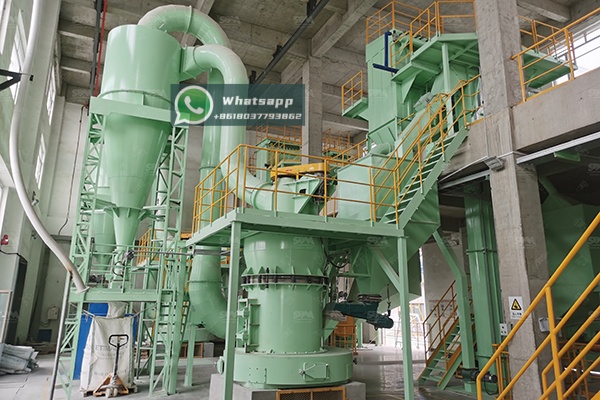
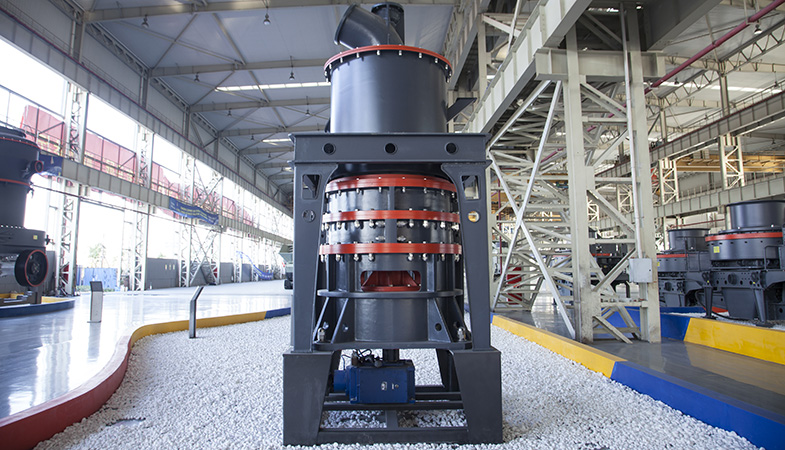
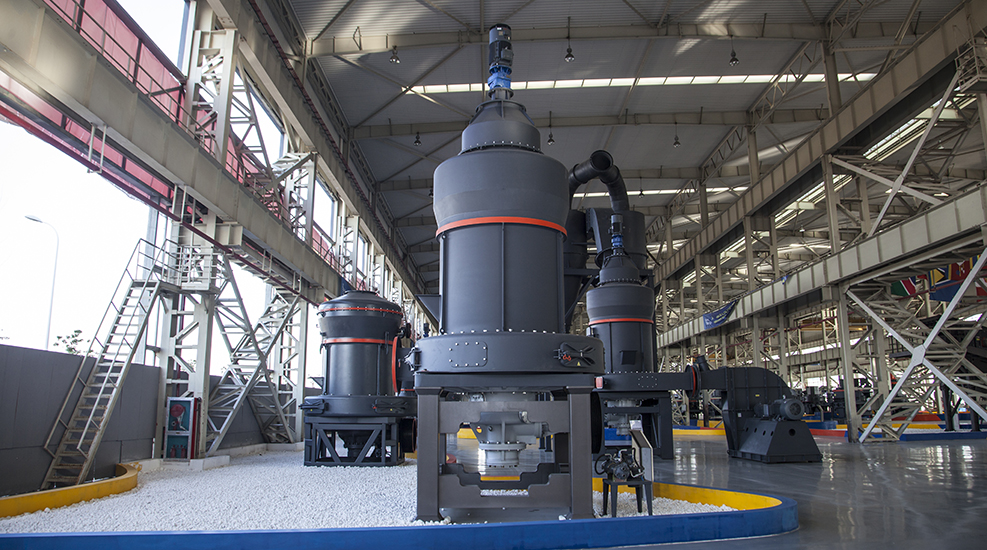
MTW series is a patented grinding mill with compact structure, long service life and eco-friendly design. The MTW175G can accept a feed size up to 40 mm, which is very convenient for South African clinker yards where the lumps are commonly less than 50 mm and are further separated by a grid. Its final product can be adjusted from coarse sand to powder as fine as 45 microns. This aligns with the upper end of plastic filler specifications. The trapezium table and tapered roller grinding assembly reduce vibration and give stable operation.
For a project asking for 10-20 tph, the MTW175G is normally specified because its engineering capacity is 9.5-25 t/h. The fan motor delivers enough air to convey particles through the classifier. The internal powder selector can be rotated to produce more fines for plastic filler or less fines for building-material filler. In South Africa, the MTW175G can be installed indoors or under a simple shelter with a baghouse.
| Parameter | Value – MTW175G |
|---|---|
| Max feed size (mm) | <40 |
| Final product size (mm) | 1.6-0.045 |
| Capacity (t/h) | 9.5-25 |
| Main motor power (kW) | 160 |
| Fan motor power (kW) | 200 |
The MTW175G is an ideal horizontal grinding solution for an existing plant with a crusher and bucket elevator. Its feeding and discharging points are easy to connect to a pre-crushing conveyor system and a pneumatic conveying line leading to the filler silo.
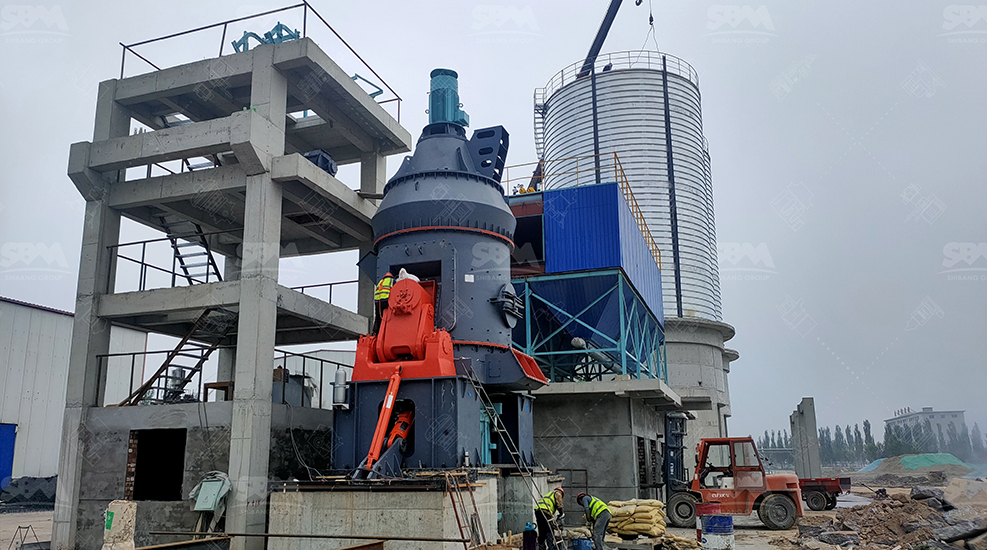
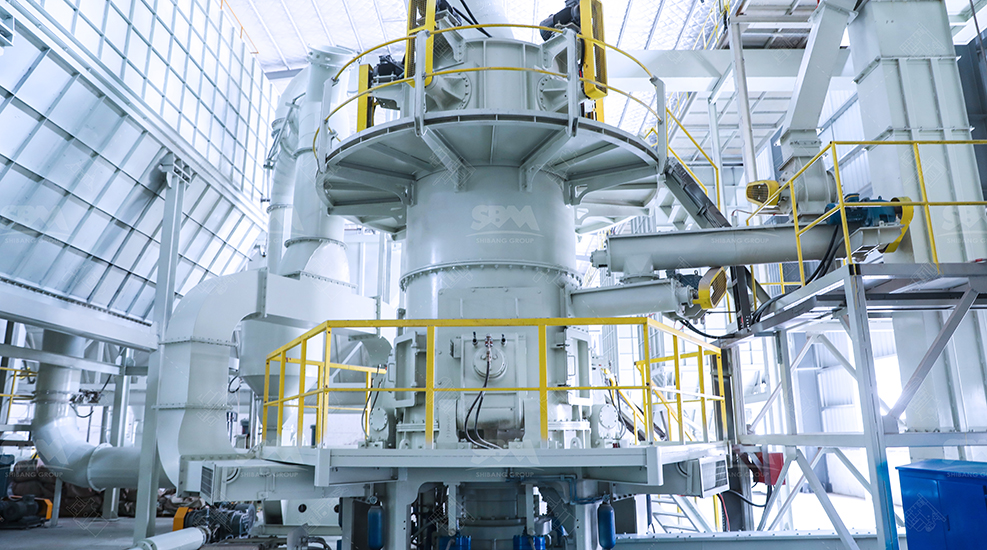
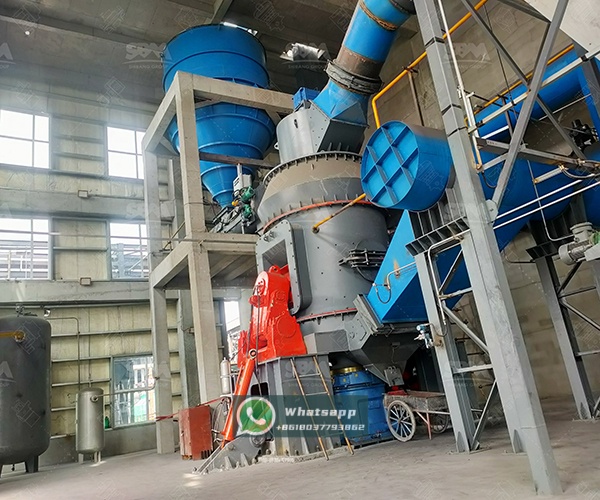
The LM130K vertical mineral mill is the first choice when the operator wants to combine crushing, grinding, drying, classification and conveying in one machine. This vertical mill occupies a small area and has low civil engineering cost. For the plastic filler project in South Africa, the LM130K can start from a feed size of less than 38 mm and produce a powder with a fineness range 170-40 microns. Because the mill itself can handle hot gas, surface moisture on clinker is evaporated before filler storage.
| Parameter | Value – LM130K |
|---|---|
| Mill plate diameter (mm) | 1300 |
| Capacity (t/h) | 10-28 |
| Output fineness (micron) | 170-40 |
| Max feed size (mm) | <38 |
| Main motor power (kW) | 200 |
Because the LM130K is a vertical roller mill, its dynamic separator is mounted above the grinding table. The finished fines leave with the air stream while the coarse particles return to table. This creates a very stable 10-20 tph capacity for cement clinker grinding. If a South African customer needs more flexibility to process cement, slag or non-metallic minerals later, the LM130K is attractive.
A typical plant begins with covered clinker storage. A front-end loader feeds a receiving hopper. The material passes a grizzly and jaw crusher if needed, then is conveyed to a surge bin. A magnetic separator removes steel. The mill feed is metered into the MTW or LM grinding mill. The air system carries the ground powder to the cyclone and bag filter. The exhaust fan creates negative pressure while the rotary airlock discharges powder to the storage silo. From the silo, powder can be loaded into bulk tankers or bagged in 25 kg bags. This layout ensures that the product remains dry and free of contamination. The same silo can be used to supply cement and filler grades.
Gauteng lies above 1,500 meters altitude. Air density at high altitude is lower; thus, for a mill with an air classifier, motor load and fan volume shall be corrected. Zenith’s engineers recommend a larger fan or variable speed drive if the plant is located on the Highveld. In coastal areas, humidity reaches high levels in summer. A LM mill with hot air is useful. Regardless of location, the control cabinet should be protected from dust, and the compressed air for cleaning bag filters must be dry. All these details influence availability, and the robust design of Zenith mills provides an appropriate baseline.
For project owners and toll millers in South Africa who need a cement clinker grinding mill for plastic filler with 10-20 tph, the MTW175G trapezium grinding mill and the LM130K vertical grinding mill are practical and capital-effective choices. The MTW175G gives a proven, compact, moderate-cost solution for plants that are familiar with conventional grinding. The LM130K reduces energy, area and civil cost while offering integrated drying. Shanghai Zenith can supply the mills, classifiers, dust filters, motors and spare parts, and can also advise on the complete clinker-to-filler process. Once the target product grade is defined, Zenith can arrange a material test to confirm the exact capacity and fineness. This technical support makes the project easier and safer to implement.