Diatomite, also known as diatomaceous earth, is a naturally occurring, soft, siliceous sedimentary rock that is easily crumbled into a fine white to off-white powder. It has a unique combination of physical and chemical properties, including high porosity, low density, and excellent thermal insulation. In the ceramic industry, diatomite is widely used as a lightweight aggregate, a fluxing agent, and a source of silica. It enhances the thermal shock resistance, reduces the firing temperature, and improves the mechanical strength of ceramic products such as tiles, sanitaryware, and refractory bricks. Pakistan, with its growing construction and infrastructure sectors, has seen a rising demand for high-quality diatomite-based ceramic materials. However, the key challenge lies in efficiently grinding the raw diatomite to the required fineness and consistent particle size distribution. This article explores the optimal grinding solution for a capacity of 20–30 tons per hour (TPH) in Pakistan, leveraging advanced milling technologies from Shanghai Zenith Machinery Co., Ltd.
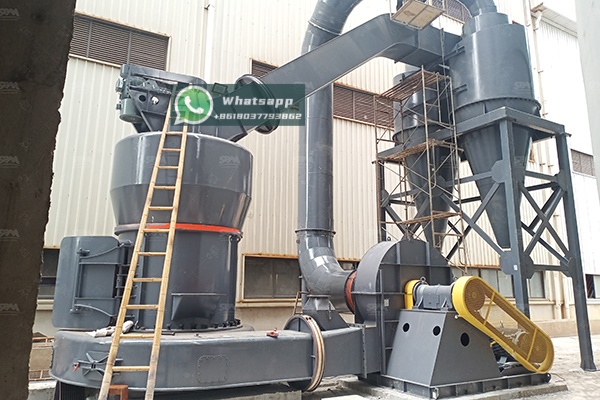
Diatomite has a high moisture content (often 30–40%) and a friable structure. Conventional crushing and grinding methods can lead to excessive fines generation, poor product uniformity, and high energy consumption. For ceramic applications, the typical product fineness ranges from 100 to 400 mesh (0.150–0.038 mm). A grinding mill designed specifically for soft, abrasive materials like diatomite must offer precise control over particle size, low wear rates, and the ability to handle high moisture. Moreover, in Pakistan, where electricity costs and power stability are concerns, energy-efficient and reliable equipment is paramount. Shanghai Zenith Machinery Co., Ltd. has developed a comprehensive range of grinding mills that meet these requirements, particularly the MTW Trapezium Grinding Mill and the LM Vertical Grinding Mill. Both series are proven in diatomite processing projects worldwide and can be configured to achieve 20–30 TPH output with the desired fineness.
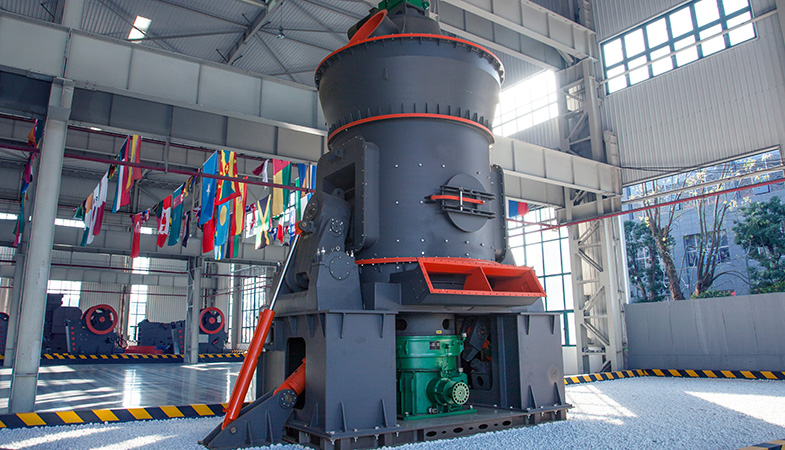
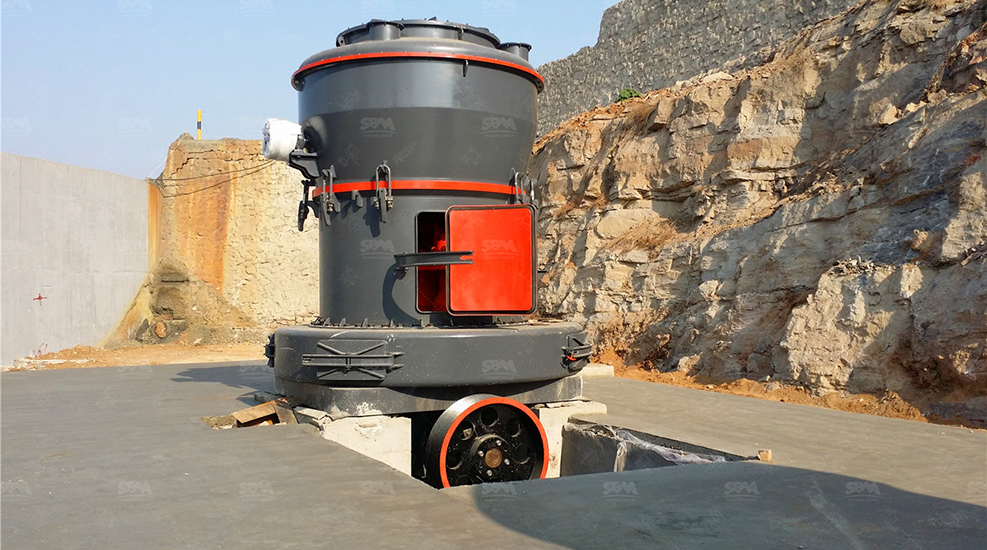
Based on the technical parameters and field experience, two models from Zenith are ideally suited for this capacity range: the MTW175G Trapezium Grinding Mill and the LM190K Vertical Grinding Mill. The MTW series is renowned for its multi-patented design, compact structure, and environmentally friendly operation. The LM Vertical Mill integrates crushing, grinding, drying, and classification into a single unit, making it particularly efficient for high-moisture materials like diatomite. Below is a comparison of their key technical specifications relevant to the 20–30 TPH requirement.
| Parameter | MTW175G Trapezium Mill | LM190K Vertical Mill |
|---|---|---|
| Max. Feed Size (mm) | <40 | <45 |
| Final Product Fineness (mm) | 1.6 – 0.045 | 0.170 – 0.040 (170–40 μm) |
| Capacity Range (t/h) | 9.5 – 25 | 10 – 28 |
| Main Motor Power (kW) | 160 | 200 |
| Fan Motor Power (kW) | 200 | N/A (integrated) |
| Plate Diameter (mm) | N/A (trapezium roller) | 1900 |
| Drying Capability | With hot air system | Built-in drying |
| Occupational Area | Moderate | Compact, 50% less than ball mill |
Note: The MTW175G can produce up to 25 TPH depending on the fineness and moisture content. For a consistent 20–30 TPH output, the LM190K is the preferred choice, as it covers the upper end of the range naturally. Both mills can be equipped with auxiliary drying systems to handle the high moisture of raw diatomite (up to 10% feed moisture can be dried to <1% in the mill).
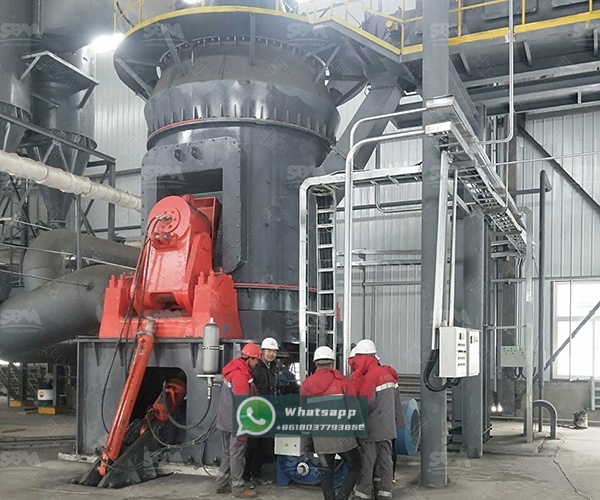
Both the MTW and LM series offer several advantages that make them ideal for diatomite grinding in the ceramic sector:
A ceramic tile manufacturer in Lahore, Pakistan, was facing challenges with inconsistent diatomite powder quality from local suppliers. The required fineness was 200 mesh (75 μm) with a tight tolerance. After evaluating several options, they installed a Zenith LM190K vertical mill in 2022. The mill processes raw diatomite with an initial moisture of 25% down to a final product moisture of less than 1%. The throughput reached 24 TPH, comfortably within the 20–30 TPH design target. The customer reported a 15% reduction in energy costs and a 10% improvement in tile mechanical strength due to the uniform particle size. The LM mill’s low noise level (below 85 dB) also improved working conditions. This project demonstrates the suitability of Zenith technology for the Pakistani market.
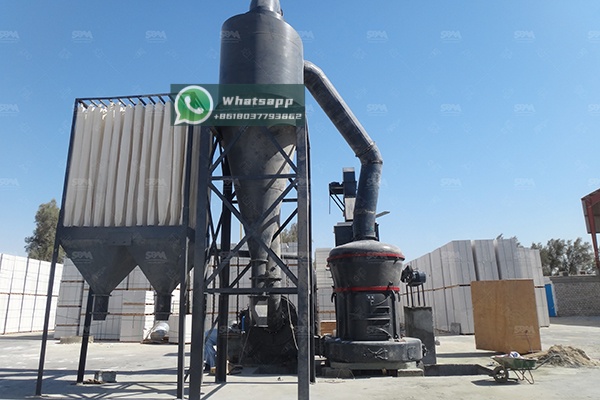
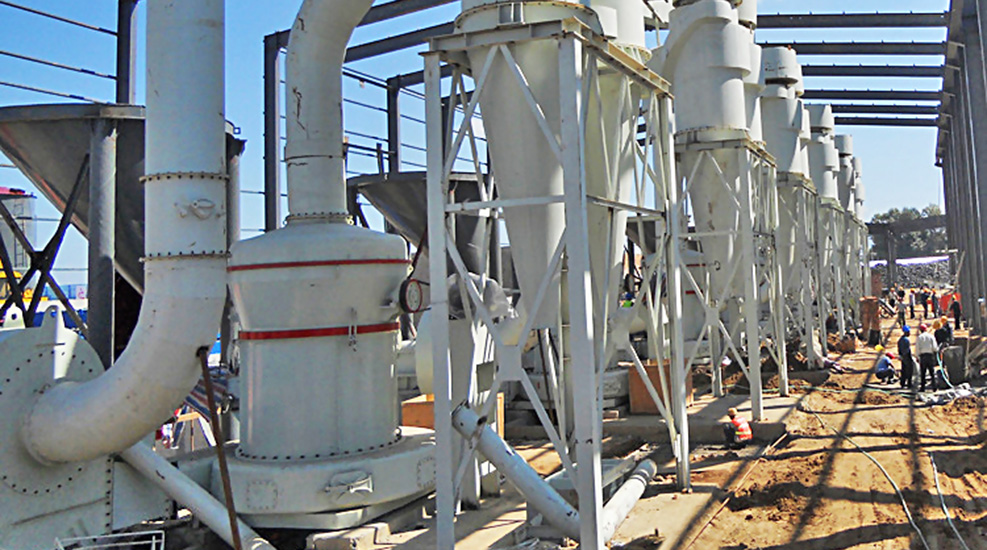
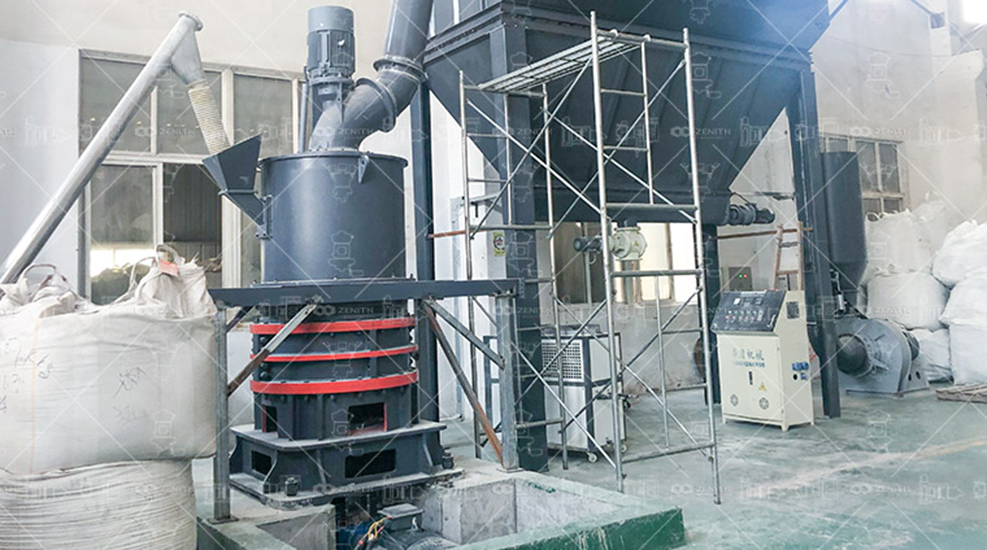
Shanghai Zenith Machinery Co., Ltd. has an extensive dealer network and service centers in Pakistan, covering major cities such as Karachi, Lahore, and Islamabad. We provide complete turnkey solutions, including site survey, foundation design, mill installation, commissioning, and operator training. Spare parts are stocked locally to minimize downtime. For the 20–30 TPH diatomite application, we recommend the following standard configuration:
Our engineers can customize the system to handle different moisture levels and to produce multiple grades of diatomite powder for various ceramic formulations. Financing options are available for qualified buyers.
With the booming construction industry in Pakistan, the demand for high-quality diatomite-based ceramic materials is set to grow. Achieving the target capacity of 20–30 TPH requires a robust, efficient, and reliable grinding mill. Shanghai Zenith Machinery Co., Ltd. offers two outstanding solutions — the MTW175G Trapezium Grinding Mill and the LM190K Vertical Grinding Mill — both of which excel in diatomite processing. Their advanced features, such as integrated drying, precise classification, and low energy consumption, directly address the challenges faced by ceramic manufacturers in Pakistan. By choosing Zenith, customers gain a partner with decades of experience in ultra-fine powder grinding and a commitment to long-term performance. Contact our team today to receive a customized quotation and feasibility study for your project.