Bangladesh’s ceramic industry, encompassing tiles, sanitaryware, and tableware, has witnessed significant growth in recent decades. A key raw material driving this expansion is dolomite, a calcium magnesium carbonate mineral (CaMg(CO3)2). When processed into fine powder, dolomite acts as a crucial fluxing agent and filler in ceramic bodies and glazes. It lowers the firing temperature, improves mechanical strength, enhances whiteness, and controls thermal expansion. For optimal performance in ceramic applications, achieving a consistent and precise fineness, such as 80 mesh (approximately 177 microns), is paramount. This article explores the technical requirements for grinding dolomite to 80 mesh for ceramic use in Bangladesh and presents advanced milling solutions from a global leader in powder processing technology.
Grinding dolomite to a specific 80-mesh fineness for ceramic production is not a simple task. The process must balance several critical factors:
To address these challenges, ceramic manufacturers in Bangladesh require modern, technologically advanced grinding equipment. Traditional ball mills, while common, often lack precision in particle size control and can be less energy-efficient for the target fineness. Modern roller-type and vertical mills offer superior solutions.
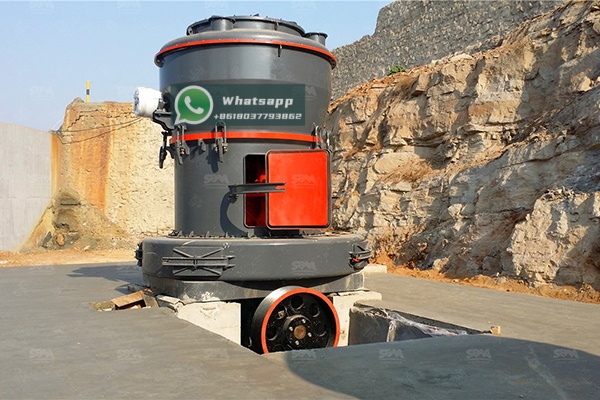
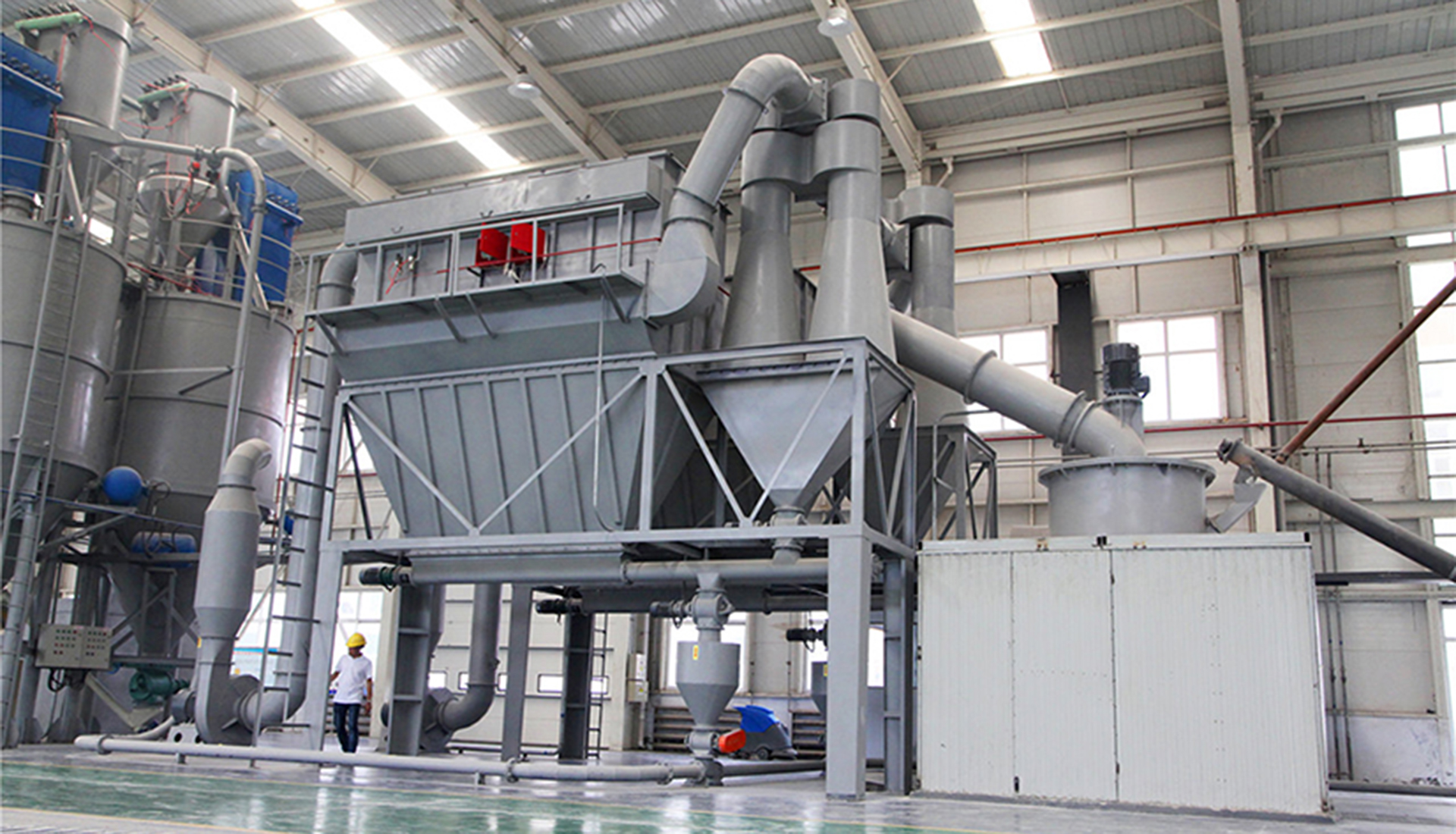
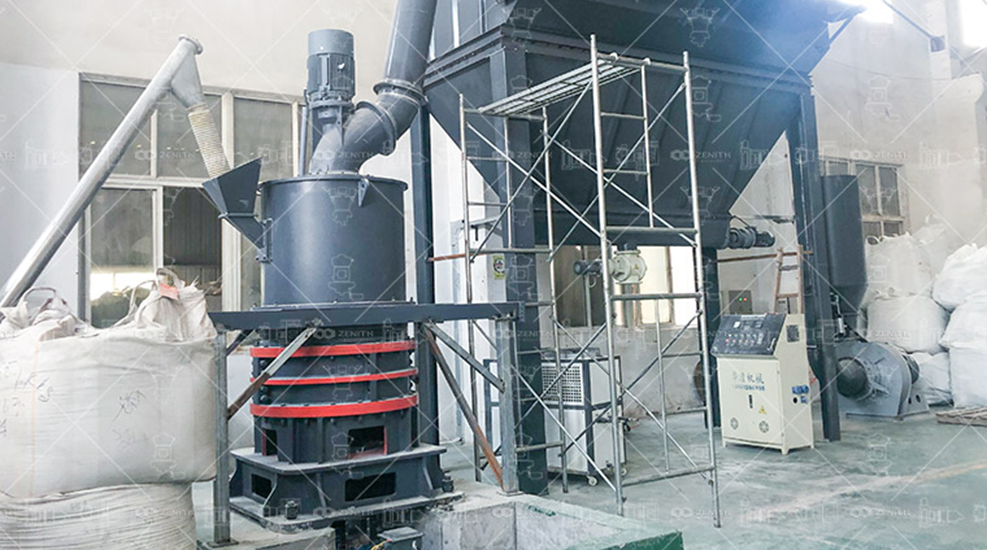
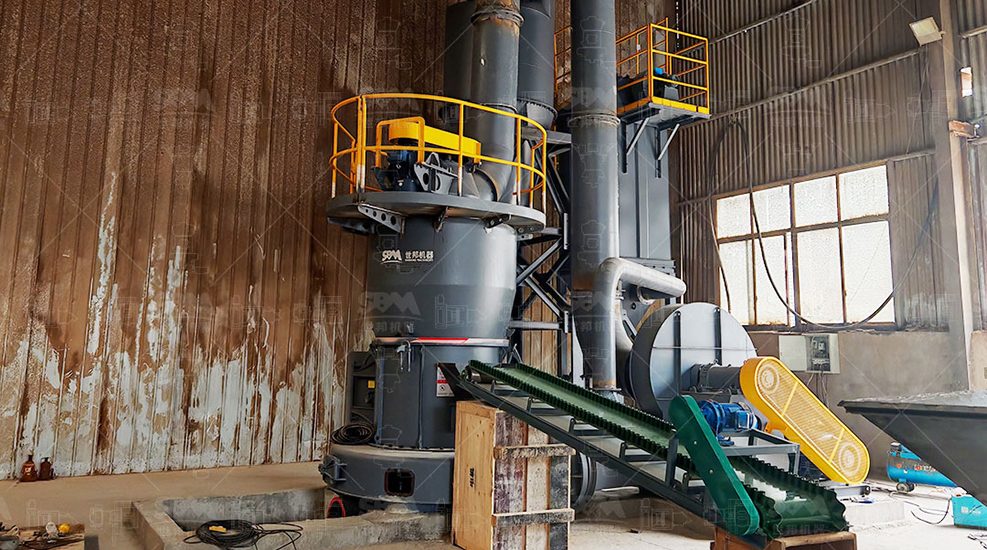
As an excellent manufacturer of ore and industrial mineral grinding equipment, Shanghai Zenith Machinery Co., Ltd. has made great achievements in the field of ultra-fine powder processing. Specializing in the research, development, and production of industrial powder grinding equipment, Zenith offers a range of mills perfectly suited for producing 80-mesh dolomite powder for ceramics. Two of their flagship products stand out for this application: the MTW Series Trapezium Grinding Mill and the LM Vertical Grinding Mill.
The MTW Series Trapezium Grinding Mill is a multiple-patent protected machine known for its high efficiency, long service life, and eco-friendly design. Its curved duct and internal powder separator ensure high classification efficiency, which is critical for achieving the sharp 80-mesh cut-off. Its geared drive system transmits power more efficiently than traditional mills, leading to significant energy savings—a crucial factor for cost-sensitive operations.
For a Bangladeshi ceramic plant processing dolomite with a feed size below 30mm to a product of 80 mesh (0.177mm), the MTW138Z model is an ideal choice. Its parameters are perfectly aligned with medium-scale production needs.
| Model | Max. Feed Size (mm) | Final Product Size (mm) | Capacity (t/h)* | Main Motor Power (kW) |
|---|---|---|---|---|
| MTW138Z | <35 | 1.6-0.045 (approx. 10-325 mesh) | 6-17 | 90 |
*Capacity for producing 80-mesh dolomite would be in the upper range of this spectrum.
This mill’s ability to precisely control fineness between 10 to 325 mesh makes it exceptionally capable of consistently delivering 80-mesh product. Its compact structure and centralized lubrication system also simplify maintenance.
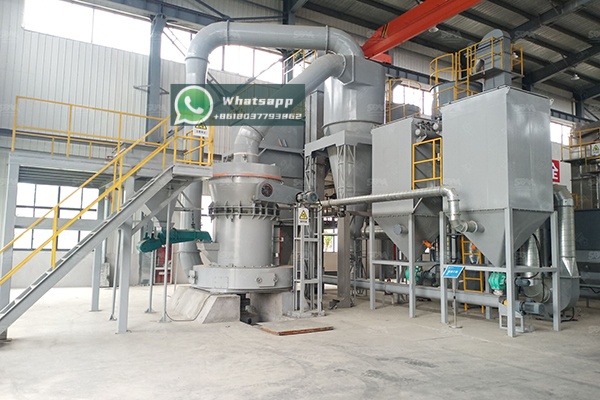
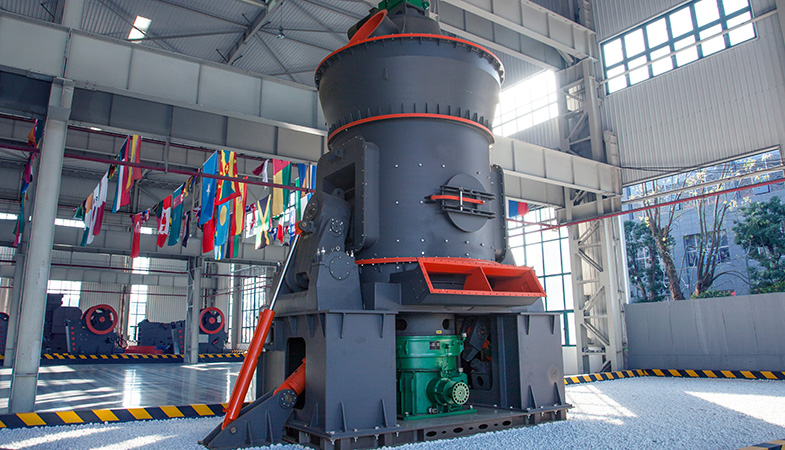
For larger-scale ceramic production complexes or plants seeking the ultimate in process integration, the LM Vertical Grinding Mill is a superior solution. This mill ingeniously integrates five functions—crushing, grinding, powder selection, drying, and material conveying—into a single unit. This is particularly advantageous in humid environments, as hot air can be introduced to dry the dolomite during grinding.
The vertical design results in a remarkably small footprint, and its grinding principle directly作用于材料层, leads to lower wear and energy consumption compared to ball mills. For producing 80-mesh dolomite powder, the LM130K Vertical Grinding Mill offers an excellent balance of output and fineness control.
| Model | Grinding Plate Diameter (mm) | Output Fineness Range (μm) | Capacity (t/h)* | Main Motor Power (kW) |
|---|---|---|---|---|
| LM130K | 1300 | 170-40 (approx. 90-325 mesh) | 10-28 | 200 |
*Ideal for 80-mesh (177μm) production within its wide fineness range.
The LM130K’s ability to produce powder in the 90-325 mesh range with high stability makes it perfectly suited for the ceramic industry’s 80-mesh standard. Its centralized control system allows for easy adjustment and monitoring of product fineness.
Selecting the right equipment partner is as important as selecting the right mill. Shanghai Zenith Machinery provides not just machines, but complete solutions:
The production of high-quality 80-mesh dolomite powder is a cornerstone for the advancement of Bangladesh’s ceramic industry. Moving beyond conventional grinding methods to adopt advanced, efficient, and precise milling technology is key to achieving superior product quality, operational efficiency, and global competitiveness. Shanghai Zenith Machinery’s MTW Series Trapezium Mill and LM Vertical Grinding Mill represent the ideal technological partners for this endeavor. By investing in such robust and intelligent grinding solutions, Bangladeshi ceramic manufacturers can ensure a consistent supply of premium raw material, paving the way for continued growth and innovation in the sector.