Kenya is rapidly expanding its drilling activities across geothermal, oil and gas, water well, and mineral exploration sectors. From the Rift Valley geothermal fields to the Turkana Basin and remote water projects, drilling operators depend on reliable drilling fluids to maintain wellbore stability, control pressure, and protect equipment. Gypsum is an important mineral additive in several water-based mud and cementing systems, and its performance depends heavily on particle fineness. For many formulations, 800 mesh is the target. This article explains why 800 mesh gypsum matters for drilling mud in Kenya, the grinding challenges involved, and how Shanghai Zenith Machinery Co., Ltd. can help producers achieve consistent ultrafine powder with advanced equipment.
Mesh is a traditional measure of particle size. An 800 mesh screen corresponds to approximately 18 microns, or 0.018 mm. At this fineness, gypsum powder has a high specific surface area and dissolves or disperses more quickly in water-based fluids. In drilling mud, gypsum can act as a calcium-bearing additive, helping to manage clay behavior, support lime-based mud systems, and improve shale inhibition in certain formulations. It is also used in cementing operations and spacer fluids, where controlled calcium release and consistent particle size are important. When gypsum is too coarse, particles may settle, cause sag, create uneven rheology, or fail to react fully. When it is ground to 800 mesh, the powder is fine enough to remain suspended, mix uniformly, and deliver predictable downhole performance.
In Kenya, drilling conditions vary widely. High-temperature geothermal wells, deep water wells, and exploration wells in remote areas all place different demands on drilling fluids. A stable supply of 800 mesh gypsum allows mud engineers to adjust calcium ion concentration, filtration properties, and rheology without introducing coarse particles that can damage pumps, block nozzles, or reduce mud stability. For local processors, producing this grade efficiently is both a technical and commercial opportunity.
Importing ultrafine gypsum is expensive. Freight, port handling, currency fluctuations, and long lead times increase the delivered cost of drilling mud additives. Kenya has gypsum resources and a growing industrial base, so local grinding can reduce costs and improve supply security. A plant located near Nairobi, Nakuru, Mombasa, or a mining area can serve geothermal fields, oil exploration camps, water well drillers, and cementing service companies. Local production also creates jobs, reduces inventory risk, and allows producers to respond quickly to changes in drilling programs.
However, local grinding must meet strict quality requirements. Drilling fluid additives cannot vary dramatically from batch to batch. The powder must be consistently fine, low in moisture, and free from contamination. This is why the choice of grinding mill is critical. A mill that can reliably produce 800 mesh gypsum, while handling Kenya’s dusty environment and variable power supply, will deliver better returns than a low-cost machine that struggles to maintain fineness.
Gypsum is relatively soft, with a Mohs hardness of about 2. That does not mean it is easy to grind to 800 mesh. Gypsum can contain moisture, which causes stickiness, agglomeration, and build-up inside the mill. If the feed moisture is above 6%, drying may be required before or during grinding. Fine grinding also demands accurate classification: if the classifier is not precise, coarse particles will report to the finished product, while valuable fines may be overground. Dust control is another challenge. Ultrafine gypsum powder can become airborne, so the grinding circuit must include effective bag filters, cyclones, and sealed conveying systems.
Traditional Raymond mills and medium-speed mills can comfortably produce products down to 0.045 mm, which is about 325 mesh. For 800 mesh, producers need true ultrafine grinding technology. The mill must combine high grinding pressure, efficient air classification, and stable operation. It must also be easy to maintain, because wear parts in a continuous ultrafine plant affect product quality and operating cost. Shanghai Zenith has focused on these requirements for decades.
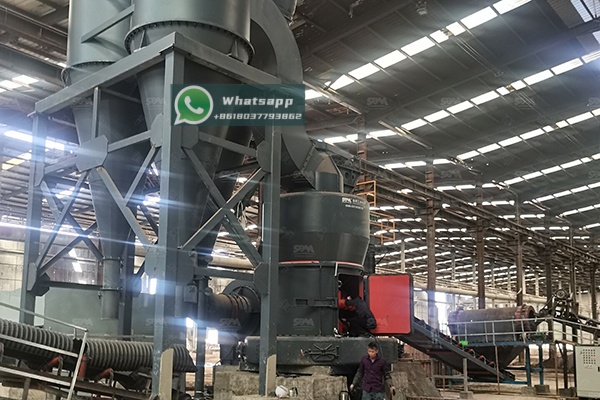
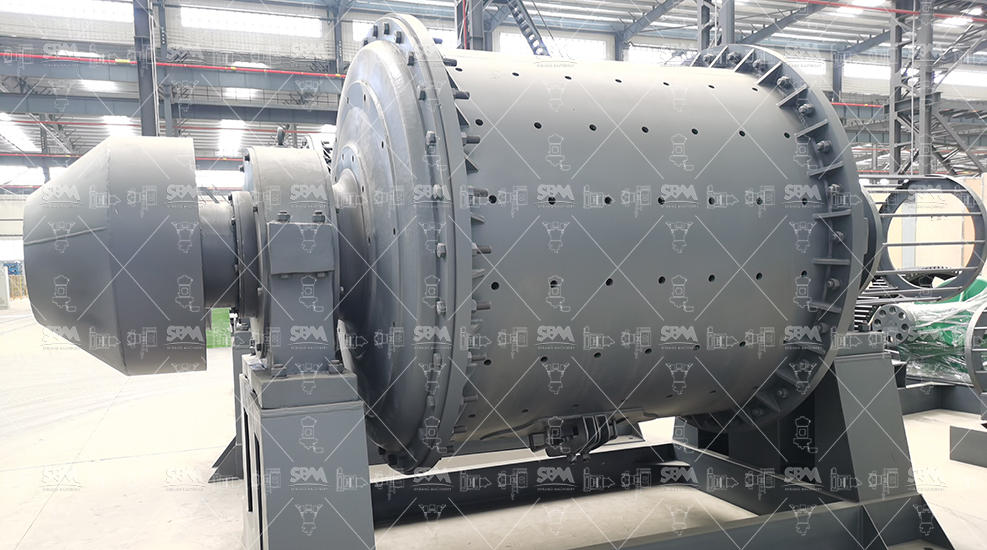
Shanghai Zenith Machinery Co., Ltd. is an excellent manufacturer of ore grinding equipment in China and has made great achievements in the field of ultra-fine powder grinding. The company specializes in the research, development, and production of industrial powder grinding equipment and related devices. Its main products include MTW Trapezium Grinding Mill, Ball Mill, MTM Medium-Speed Grinding Mill, Raymond Mill, LM Vertical Grinding Mill, LUM Ultrafine Vertical Mill, XZM Ultrafine Grinding Mill, and Hammer Mill. For 800 mesh gypsum in Kenya, two Zenith products are especially suitable: the XZM Ultrafine Grinding Mill and the LUM Ultrafine Vertical Mill.
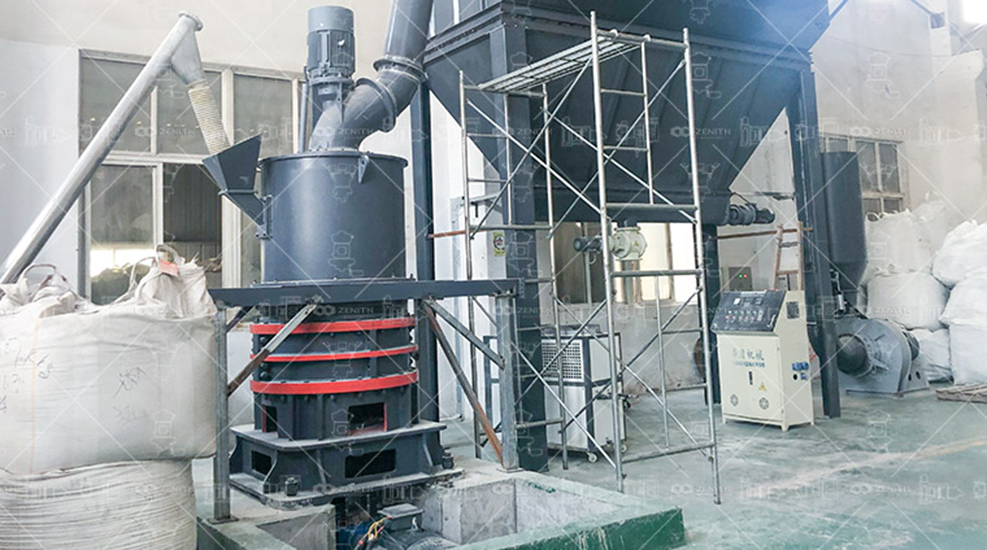
The XZM Ultrafine Grinding Mill is widely used for superfine powder production. It is suitable for soft or medium-hard materials with moisture content below 6%, and it can achieve an output fineness of 325 to 2500 mesh. That means 800 mesh is comfortably within its operating range. The XZM mill combines grinding, classification, and collection in a compact circuit. Its classifier can be adjusted to produce a tight particle size distribution, which is essential for drilling mud additives. The XZM221 is well suited to small and medium-scale gypsum powder producers, while the XZM268 serves larger industrial operations with higher output.
| Model | Working diameter (mm) | Max feed size (mm) | Final size (mesh) | Output (kg/h) | Main motor power (kW) |
|---|---|---|---|---|---|
| XZM221 | Φ800 | ≤20 | 325-2500 | 500-4500 | 75 |
| XZM268 | Φ1680 | ≤20 | 325-2500 | 5000-25000 | 315 |
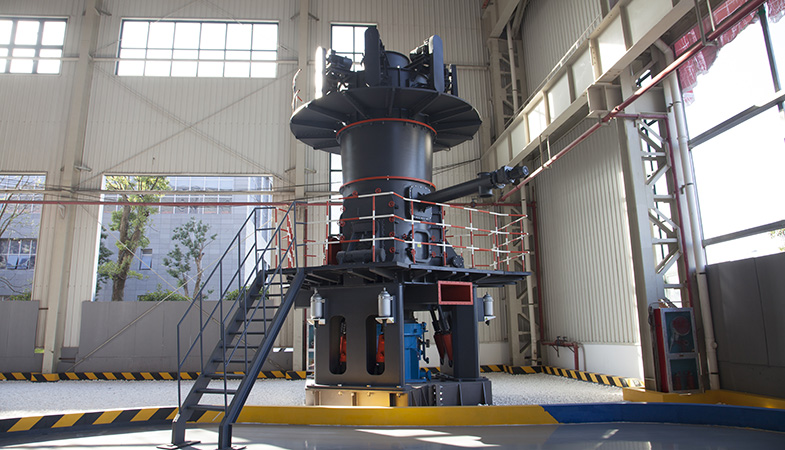
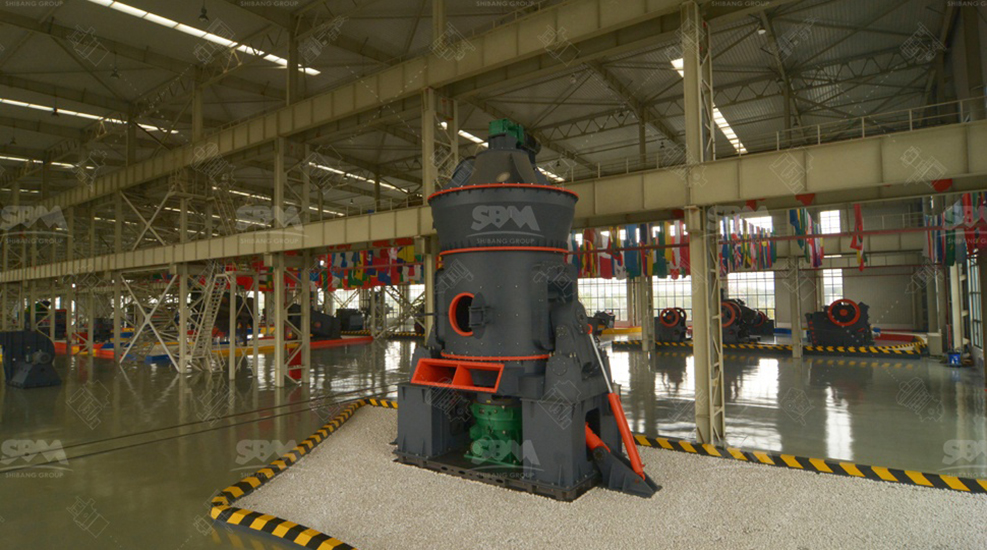
For larger production requirements, the LUM Ultrafine Vertical Mill is an excellent choice. It integrates grinding, drying, classifying, and transportation in one machine and occupies a small footprint. Its final product size distribution, D97, ranges from 5 to 30 microns. Since 800 mesh is approximately 18 microns, the LUM mill can produce the required grade by adjusting the classifier. The LUM series also handles material with higher moisture because hot air can be introduced into the grinding chamber for simultaneous drying. This makes it attractive for Kenyan gypsum that may contain surface moisture. The mill features intelligent control and easy maintenance, reducing downtime in remote operations.
| Model | Main machine power (kW) | Capacity (t/h) | Size distribution D97 (μm) |
|---|---|---|---|
| LUM1525 | 220-250 | 1.6-11.5 | 5-30 |
| LUM1632 | 280-315 | 2.0-13.5 | 5-30 |
| LUM1836 | 355-400 | 2.3-15 | 5-30 |
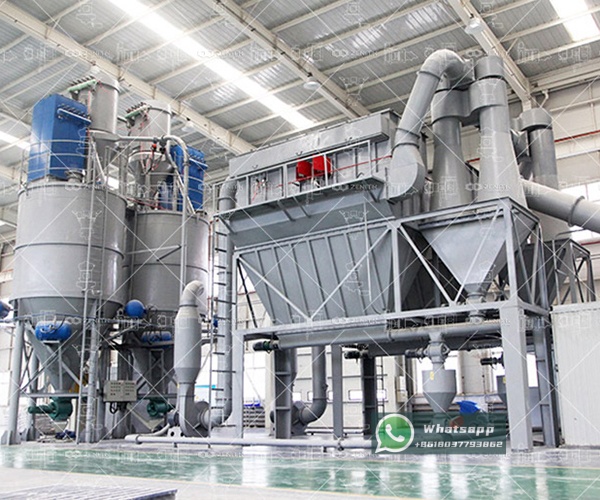
A complete 800 mesh gypsum grinding plant usually includes crushing, drying, grinding, classification, powder collection, storage, and packing. First, run-of-mine gypsum is crushed by a jaw crusher or hammer mill to a feed size suitable for the mill, generally below 20 mm for the XZM. If the raw material moisture is higher than 6%, a rotary dryer or integrated drying system should be used. The dried material is then fed into the XZM or LUM mill. Inside the mill, grinding and classification produce a fine powder with a target D97 of about 18 microns. The powder is collected by cyclones and pulse bag filters, then conveyed to a silo and packed into bags or bulk containers.
Dust control is essential. The plant should use sealed conveyors, negative pressure collection points, and high-efficiency bag filters. For remote sites, a diesel generator or hybrid power system can be considered. The main motor for an XZM221 is 75 kW, while an XZM268 requires 315 kW. LUM models range from 220 kW to 400 kW. Proper foundations, vibration isolation, and regular maintenance schedules help ensure long service life. Shanghai Zenith can provide process design, equipment selection, installation guidance, and operator training.
Producing 800 mesh gypsum is not only about particle size. Quality control should monitor moisture, purity, whiteness, and particle size distribution. A laser particle size analyzer can verify that D97 is consistently around 18 microns. The gypsum should be stored in a dry silo to prevent caking. For drilling mud applications, mud engineers may test calcium ion concentration, rheology, filtration loss, pH, and sag resistance. Consistent ultrafine gypsum helps reduce the risk of unexpected viscosity changes and improves the efficiency of mud treatment. It also supports better cementing spacer performance when used in cementing operations.
Investing in an ultrafine grinding plant in Kenya offers multiple benefits. Local production reduces reliance on imported additives and shortens delivery times to drilling sites. The XZM and LUM mills are designed for energy efficiency, low wear, and continuous operation. The XZM is compact and relatively easy to install, making it suitable for new producers. The LUM offers higher capacity and integrated drying, which can lower overall operating costs when raw gypsum has variable moisture. Shanghai Zenith provides spare parts and technical support, helping Kenyan producers maintain uptime and product quality.
As drilling activity increases in geothermal, oil and gas, water, and mining sectors, the demand for high-quality drilling mud additives will grow. Producers who establish reliable 800 mesh gypsum supply chains early will be well positioned to serve this market. With the right grinding equipment, Kenya can turn local gypsum resources into a valuable industrial product.
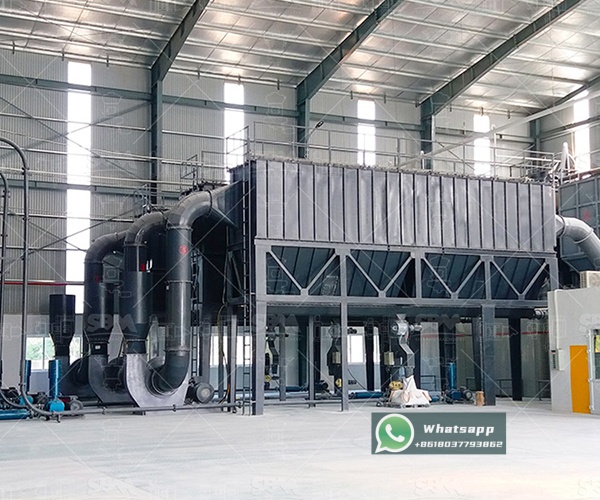
For drilling mud in Kenya, 800 mesh gypsum is a high-value product that demands precise ultrafine grinding. The XZM Ultrafine Grinding Mill from Shanghai Zenith is an ideal solution for small to medium producers who need 800 mesh output with reliable classification. The LUM Ultrafine Vertical Mill is the preferred choice for larger capacity and integrated drying. Both machines benefit from Shanghai Zenith’s experience in ultrafine powder technology, global service network, and commitment to quality. To learn more about configuring a gypsum grinding plant for 800 mesh in Kenya, contact Shanghai Zenith Machinery Co., Ltd. today.