The paper industry in Kenya, a vital sector for education, packaging, and commerce, is continuously evolving to adopt more efficient and sustainable production methods. A key innovation in this field is the use of ground calcium carbonate (GCC), primarily sourced from high-purity marble, as a filler and coating pigment. Incorporating GCC into paper enhances brightness, opacity, smoothness, and printability while significantly reducing production costs by substituting more expensive wood pulp. For a Kenyan paper plant targeting a production capacity of 20-30 tons per hour (TPH) of high-quality paper, selecting the right marble grinding mill is a critical decision that impacts product quality, operational efficiency, and long-term profitability.
Producing GCC for paper making is not merely about reducing particle size; it’s about achieving precise technical specifications. The filler grade typically requires a top cut (D97) of 10-45 microns, while coating pigments demand an ultra-fine product with a D90 below 2 microns. The grinding system must deliver consistent particle size distribution, high whiteness preservation (minimizing iron contamination), and energy efficiency. For a 20-30 TPH paper production line, the associated GCC grinding facility would typically need a milling capacity in the range of 3-8 TPH, depending on the filler loading percentage. The system must also be robust, adaptable to local conditions, and offer reliable after-sales support.
Implementing an industrial grinding project in Kenya involves unique considerations. Reliable, though sometimes costly, power supply necessitates energy-efficient milling technology. The availability of technical expertise for operation and maintenance calls for equipment that is user-friendly and backed by strong local service. Furthermore, the need to minimize environmental impact through dust collection and low-noise operation is paramount. Therefore, the ideal grinding solution must be a holistic package that addresses production capacity, finished product quality, operational stability, and local adaptability.
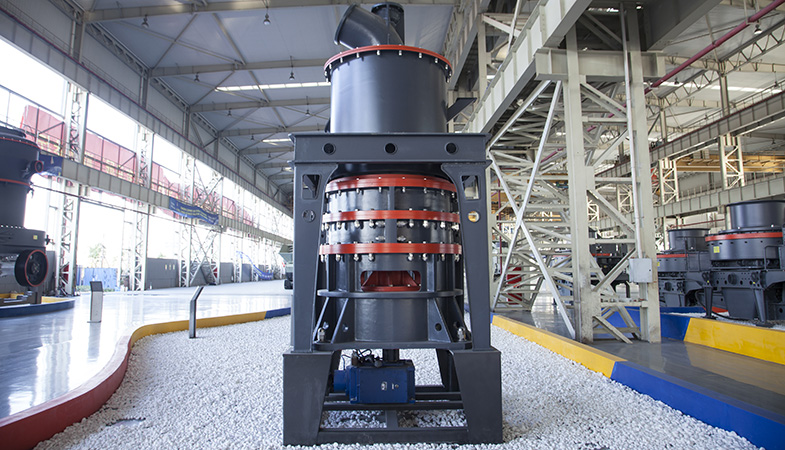
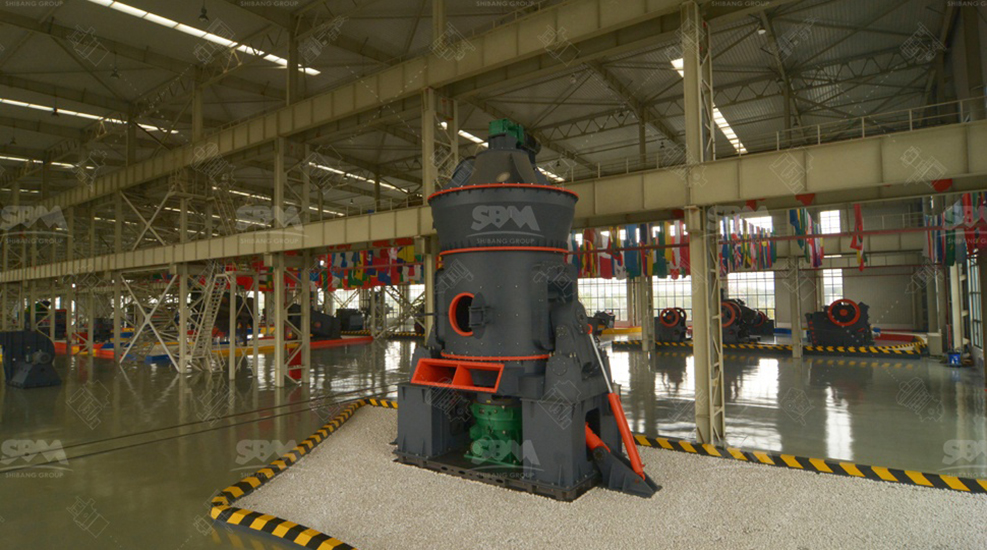
As an excellent manufacturer of ore and industrial powder grinding equipment, Shanghai Zenith Machinery Co., Ltd. has made significant achievements in the field of ultra-fine powder processing. With specialization in the research, development, and production of advanced grinding mills, Zenith offers reliable solutions tailored for mineral processing applications like marble grinding for paper. For the Kenyan project specification of 20-30 TPH paper production (requiring ~3-8 TPH of GCC), two of our flagship products stand out as optimal choices.
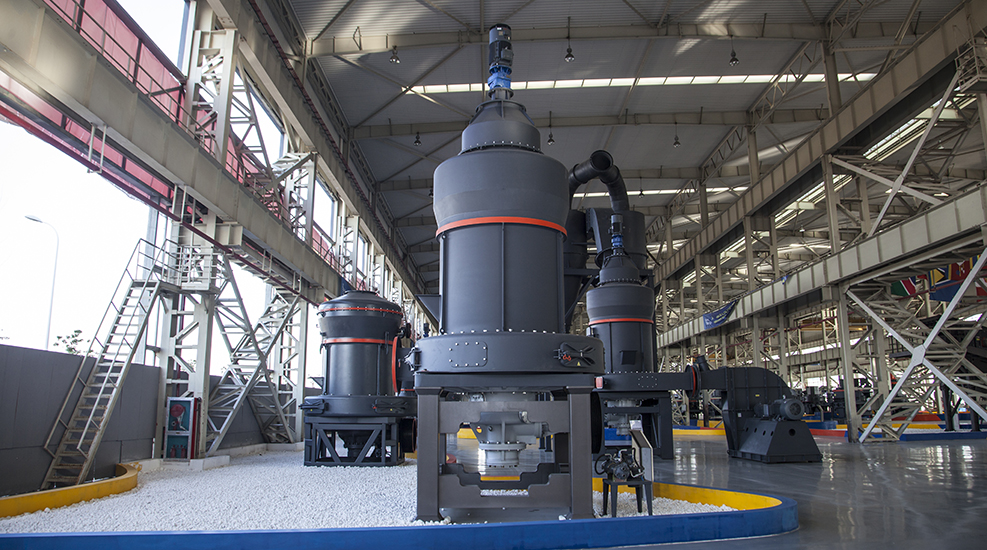
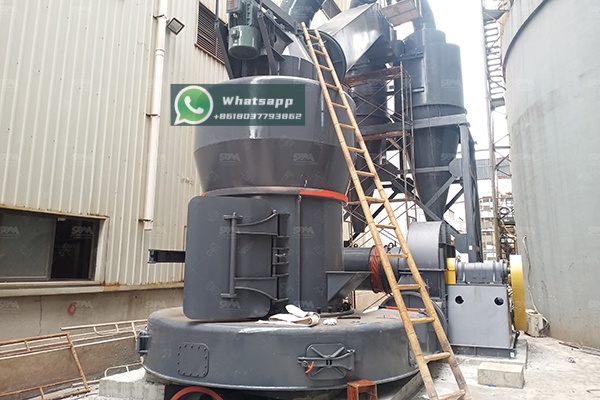
For producing filler-grade GCC with high efficiency and low operational cost, the MTW Series Trapezium Grinding Mill is highly recommended. This mill, built with multiple patents, features a curved surface duct, internal efficient powder separator, and wear-resistant materials. It is known for its high grinding efficiency, large capacity, and eco-friendly design with a pulse dust collector ensuring clean operation. Its structure is compact, and it offers a long service life, making it perfect for medium-to-large scale production.
For a target GCC output of 5-7 TPH, the MTW175G model is an ideal match. Its technical parameters are as follows:
| Model | Max. Feed Size (mm) | Final Size (mm) | Capacity (t/h) | Main Motor (kW) |
|---|---|---|---|---|
| MTW175G | <40 | 1.6-0.045 | 9.5-25 | 160 |
This model can comfortably handle the required throughput for marble grinding, producing a fine powder ideally suited for paper filling. Its high capacity also provides a buffer for future production expansion.
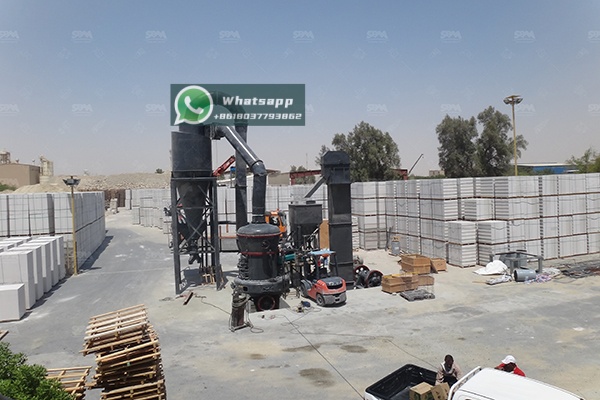
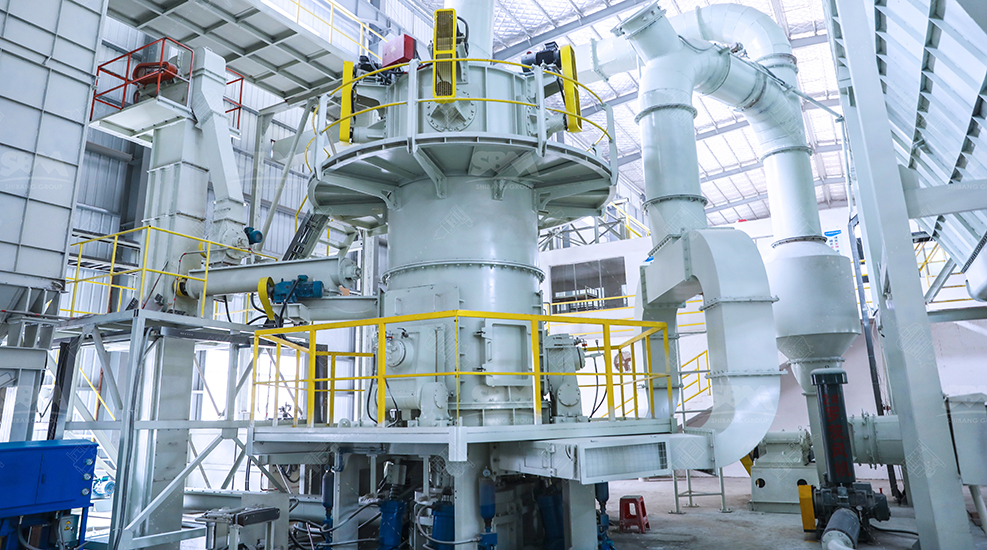
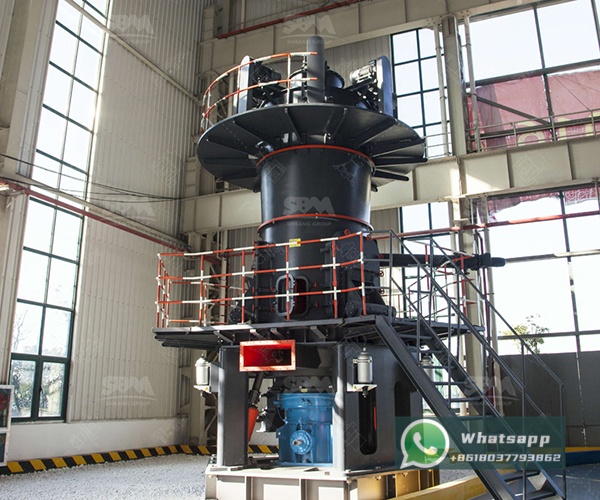
For paper mills aiming to produce higher-value coated paper requiring ultra-fine GCC coating pigment, the LUM Ultrafine Vertical Mill is the superior choice. This mill integrates grinding, drying, classifying, and conveying into one unit. It occupies minimal space and is designed to produce powders with a high content of end-fines. Its intelligent control system allows for precise fineness adjustment and easier maintenance.
To achieve an ultra-fine product (e.g., D97 < 10μm) at a capacity suitable for coating pigment preparation, the LUM1632 model is recommended. Its key parameters are:
| Model | Main Machine Power (kW) | Capacity (t/h) | Size Distribution D97 (μm) |
|---|---|---|---|
| LUM1632 | 280-315 | 2.0-13.5 | 5-30 |
This mill’s advanced classifying technology ensures the narrow and consistent particle size distribution critical for paper coating applications, enhancing the final paper’s gloss and print quality.
A complete marble grinding line involves more than just the mill. It includes jaw crushers for primary size reduction, bucket elevators, vibrating feeders, silos, and advanced packing machines. Shanghai Zenith can provide the entire turnkey solution, from plant design and equipment supply to installation guidance and operator training. Our global network ensures that spare parts and technical support are accessible, which is a crucial factor for the long-term success of industrial projects in Kenya.
Investing in the right marble grinding technology is a strategic move for the Kenyan paper industry to improve product competitiveness and operational sustainability. For a 20-30 TPH paper production facility, Shanghai Zenith’s MTW Trapezium Grinding Mill offers a robust and efficient solution for filler-grade GCC production, while the LUM Ultrafine Vertical Mill provides the cutting-edge technology needed for high-end coating pigment. By partnering with a seasoned manufacturer like Zenith, Kenyan paper makers can secure a reliable, high-performance grinding system that delivers the precise marble powder quality essential for modern paper making, ensuring growth and success in the regional and global markets.