India’s rapid industrial growth, particularly in its power generation and heavy manufacturing sectors, has brought the critical issue of emissions control, especially sulfur dioxide (SO2), to the forefront. Flue Gas Desulfurization (FGD) is a mandated and essential process to mitigate environmental impact. Within this process, finely ground sorbents like limestone or hydrated lime are used to absorb SO2. Perlite, a volcanic glass known for its high porosity and adsorption capacity, is increasingly recognized as an effective and economical additive or carrier in these sorbent blends. Its performance, however, is intrinsically linked to its fineness. Achieving a consistent and ultra-fine grind, specifically to a target of 325 mesh (approximately 45 microns), is paramount for maximizing its surface area and reactivity in the desulfurization process. This article explores the technical requirements for perlite grinding in Indian FGD applications and presents optimal milling solutions.
Perlite’s natural properties present unique challenges for grinding. Its abrasive nature can cause rapid wear on grinding components, while its low density and tendency to generate heat during milling require equipment with efficient cooling and classification systems. The goal of producing a 325-mesh powder demands a mill capable of precise particle size control, high classification efficiency, and energy-efficient operation. Traditional ball mills or basic Raymond mills often struggle with the consistent fine grinding and high throughput required for large-scale power plants. They may produce excessive coarse particles or suffer from high energy consumption and maintenance downtime.
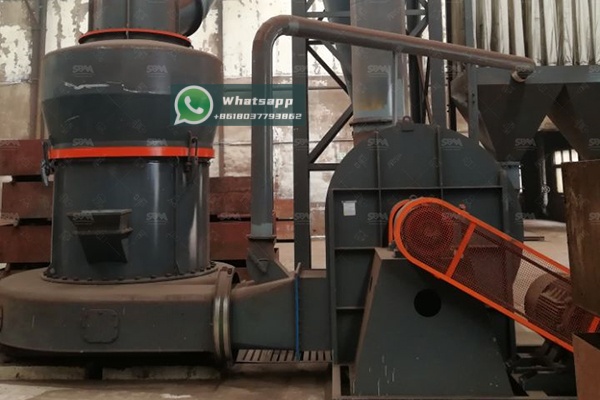
Modern grinding technology has evolved to meet these precise industrial demands. The ideal solution for perlite desulfurization powder is a system that integrates grinding, drying (if required for moisture control), classification, and conveying in a streamlined, automated process. Mills that utilize a vertical roller design with an integrated high-efficiency classifier are particularly well-suited. This configuration allows for internal recirculation of coarse particles, ensuring only the correctly sized fines (325 mesh) are collected as the final product. This leads to superior particle size distribution, lower specific energy consumption, and reduced system footprint—a critical consideration for space-constrained Indian plant sites.
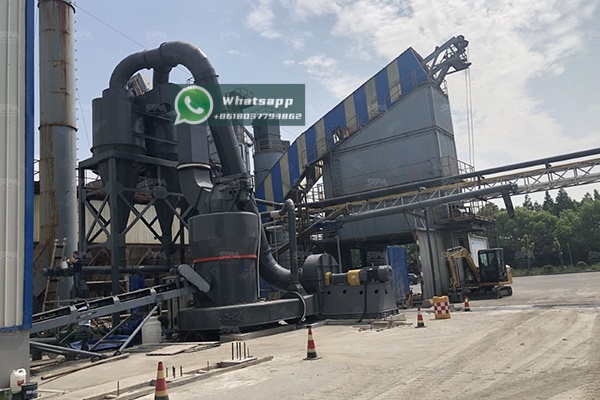
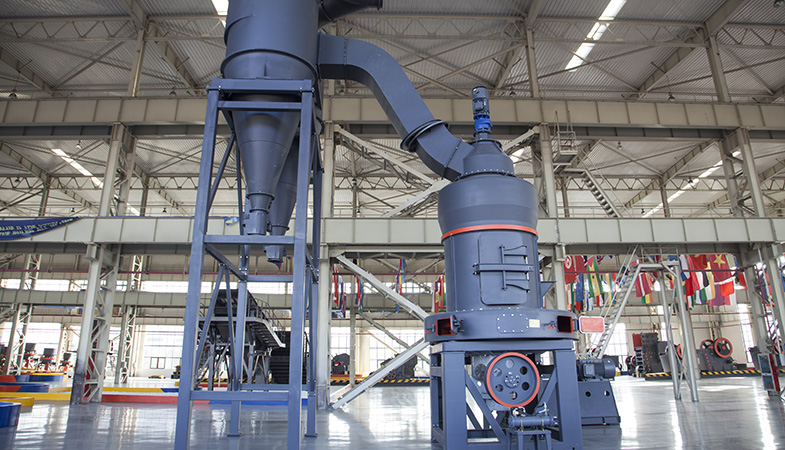
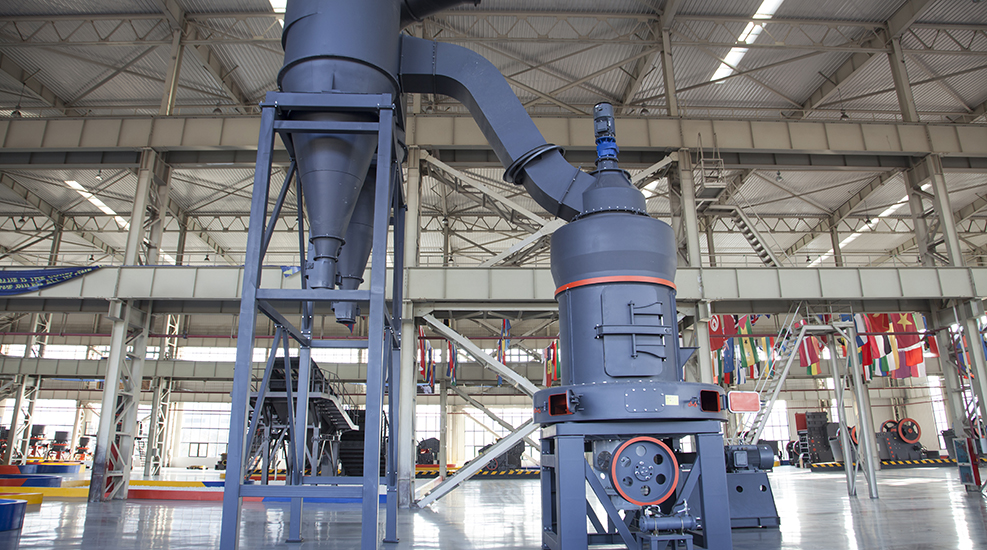
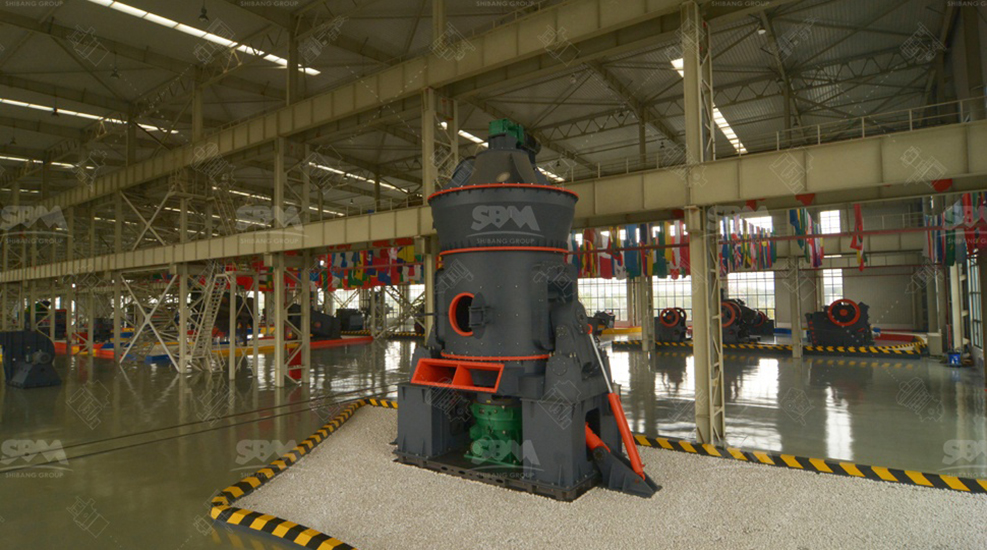
For the specific application of producing 325-mesh perlite powder for FGD in India, Shanghai Zenith Machinery Co., Ltd., an excellent manufacturer with great achievements in ultra-fine powder grinding, offers an ideal solution: the LUM Ultrafine Vertical Mill. This mill is engineered to excel in producing precisely controlled fine and ultra-fine powders. Its design integrates multiple functions into a single, compact unit, making it perfect for the demanding requirements of perlite processing.
The LUM series features an advanced grinding roller and ring design that minimizes wear from abrasive materials like perlite. Most importantly, it incorporates a highly efficient turbine classifier that ensures sharp cuts and precise control over the final product fineness, guaranteeing a consistent 325-mesh output. Its intelligent control system allows for stable operation and easy maintenance, crucial for continuous 24/7 FGD operations in power plants.
| Model | Main Machine Power (kW) | Capacity* (t/h) | Adjustable Fineness D97 (μm/mesh) |
|---|---|---|---|
| LUM1525 | 220-250 | 1.6 – 11.5 | 5-30 μm (approx. 500-2500 mesh) |
| LUM1632 | 280-315 | 2.0 – 13.5 | 5-30 μm (approx. 500-2500 mesh) |
| LUM1836 | 355-400 | 2.3 – 15.0 | 5-30 μm (approx. 500-2500 mesh) |
*Capacity varies based on material hardness, moisture, and input size. For 325-mesh (D97~45μm) perlite, capacity will be on the higher end of the range.
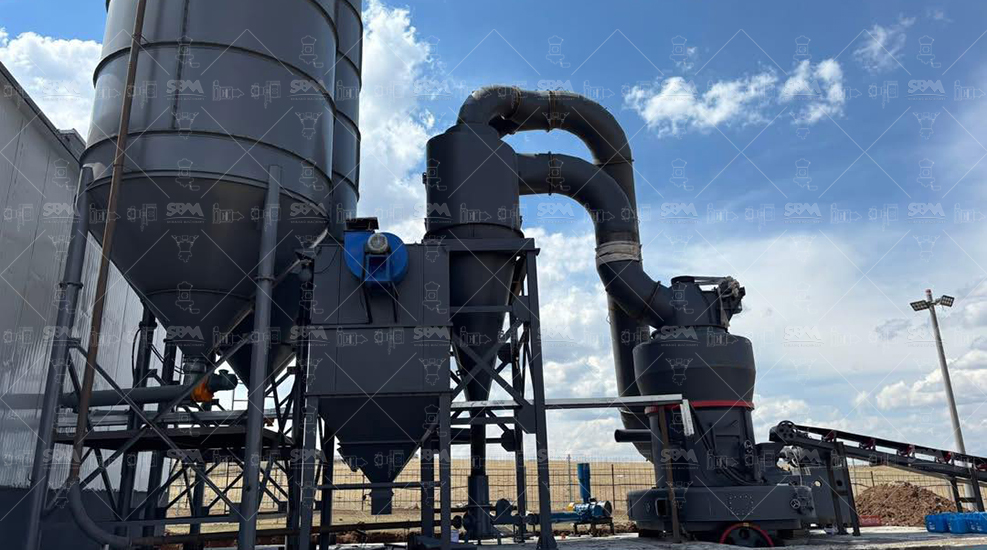
For projects with specific layout constraints or slightly different capacity requirements, Zenith’s XZM Ultrafine Grinding Mill serves as another excellent choice. Renowned for its reliability and wide application in superfine powder production, the XZM mill is also perfectly capable of processing perlite to 325 mesh and beyond. It is a robust and proven design, suitable for grinding materials with moisture content below 6%.
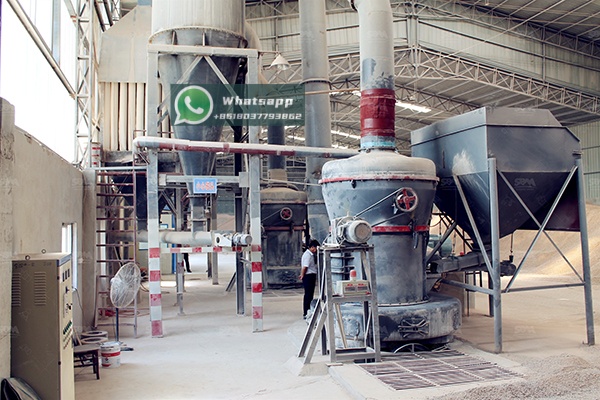
Selecting the right grinding partner is vital for the long-term success of any FGD system. Shanghai Zenith Machinery brings several key advantages to Indian industries:
Meeting India’s stringent environmental standards for SO2 emissions requires not only the implementation of FGD technology but also the optimization of its core components. The preparation of high-quality, 325-mesh perlite-based sorbent is a critical step in this chain. By investing in advanced, reliable grinding technology from a specialist like Shanghai Zenith Machinery Co., Ltd., Indian power plants and industrial facilities can ensure consistent sorbent performance, maximize desulfurization efficiency, reduce operational costs, and achieve sustainable compliance. The LUM Ultrafine Vertical Mill and XZM Ultrafine Grinding Mill stand out as engineered solutions to turn raw perlite into a high-performance agent for cleaner air.