Tanzania’s manufacturing sector, particularly the foundry and metal casting industry, has been steadily growing, driven by infrastructure development and increased demand for industrial components. In metal casting, high-quality sand molds and cores are essential for producing defect-free parts. Talc (magnesium silicate) powder is widely used as a mold release agent and surface additive in casting sand because of its excellent lubricity, high thermal stability, and inertness. A common specification for talc powder in foundry applications is 150 mesh (approximately 100 microns). Achieving this fineness consistently and cost-effectively requires robust and energy-efficient grinding equipment. This article explores the technical considerations for talc grinding in Tanzania and presents two proven milling solutions from Shanghai Zenith Machinery Co., Ltd. that are ideally suited for this task.
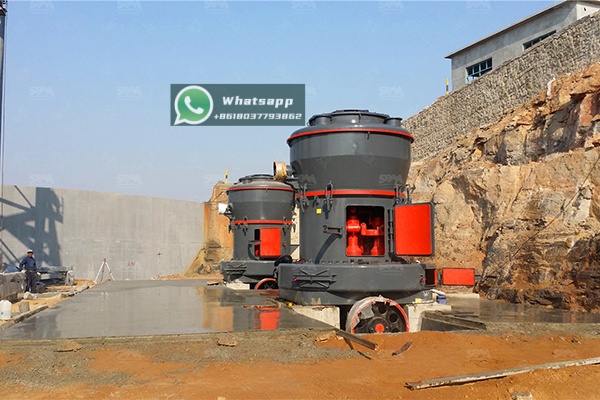
Selecting the right grinding mill for talc begins with understanding the material properties. Talc is a soft mineral (Mohs hardness 1), has a laminated structure, and is naturally hydrophobic. It can be ground efficiently with compression and shearing forces. For a target of 150 mesh, mills that operate in the medium-fine range are optimal. Traditional Raymond mills have been popular, but modern trapezium and vertical mills offer significant improvements in capacity, energy consumption, and maintenance simplicity. In the following sections, we detail the specific challenges of talc grinding for casting sand and recommend two flagship products from Shanghai Zenith – the MTW Trapezium Grinding Mill and the MTM Medium-Speed Grinding Mill.
When processing talc for foundry sand in Tanzania, several factors must be addressed:
Given these requirements, mills with multistage classification, adjustable grinding pressure, and low-vibration operation are ideal. The MTW and MTM series from Zenith incorporate all these features, as detailed below.
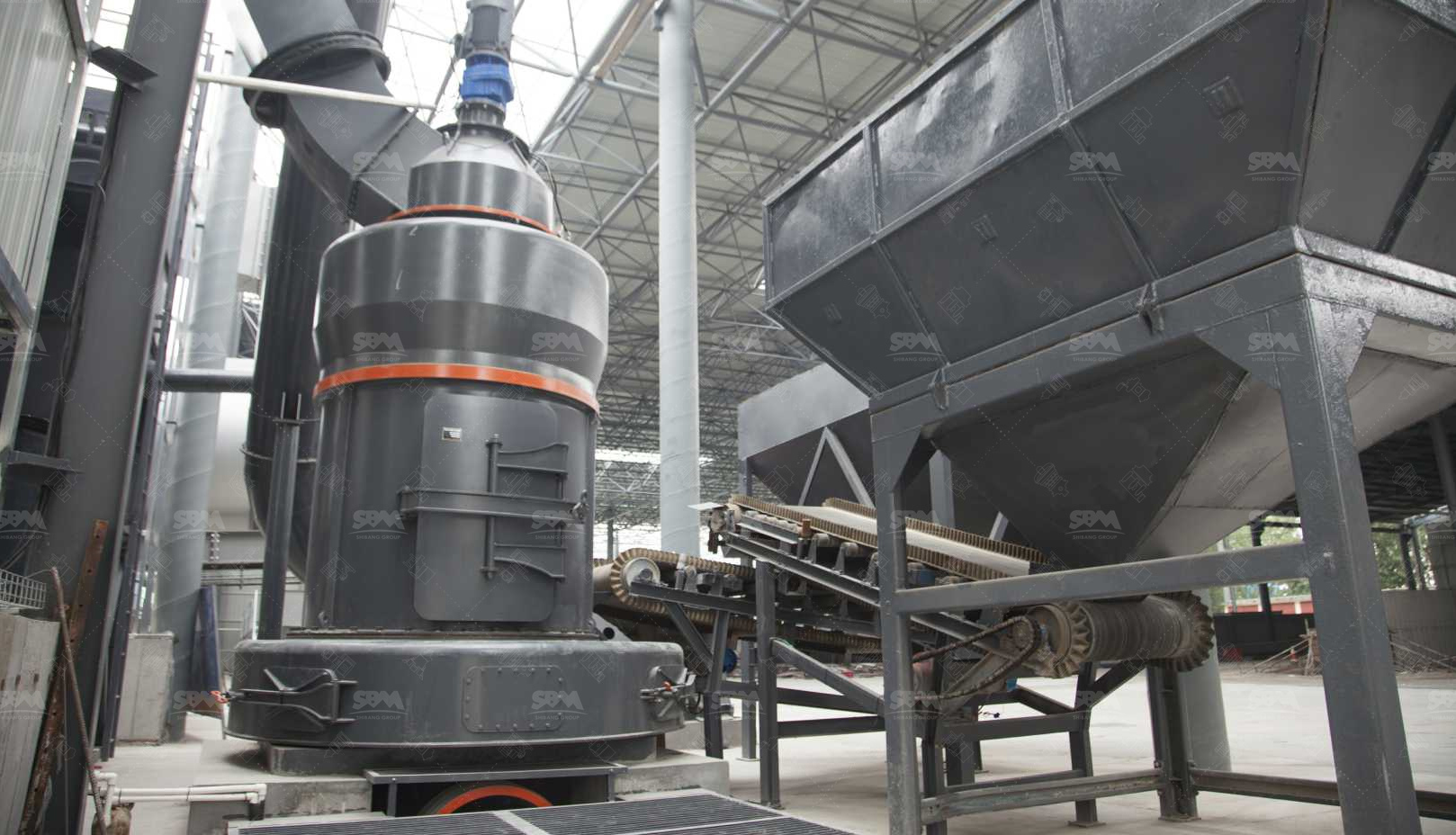
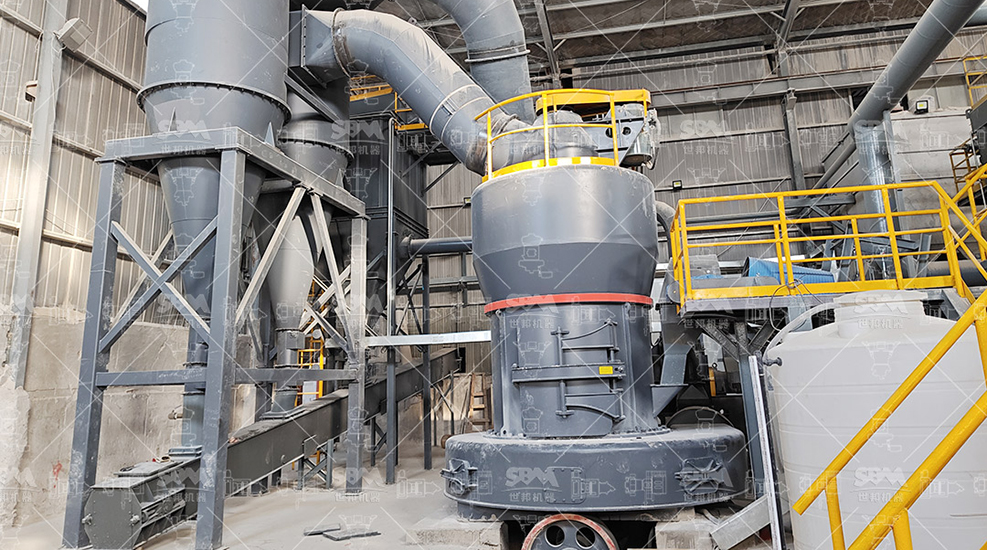
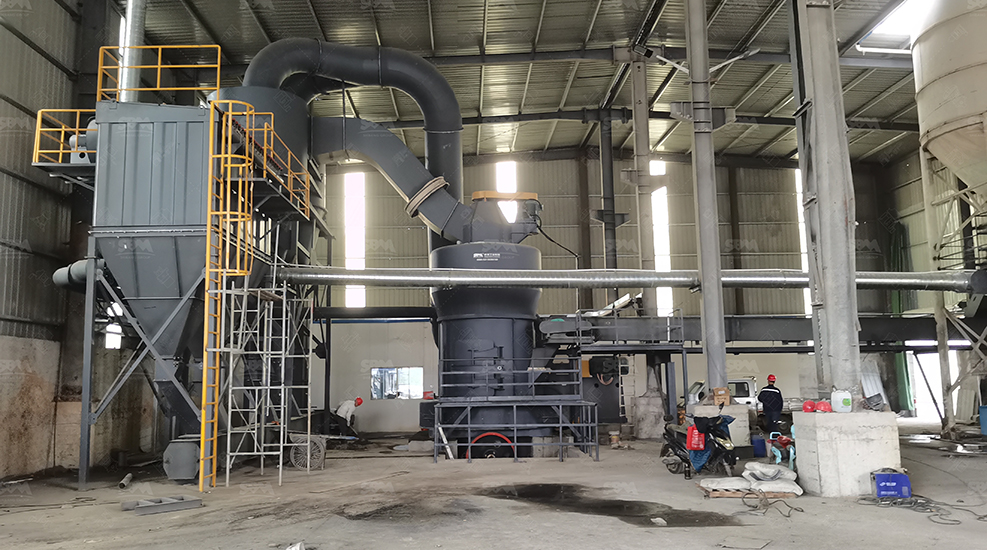
The MTW series is a heavy-duty grinding mill that integrates multiple patented technologies. It uses a trapeziform grinding ring and roller design that increases the grinding area and reduces material slip, resulting in higher efficiency. The main motor drives the central shaft via a bevel gear, while the classifier motor allows precise adjustment of product fineness. For talc to 150 mesh, the MTW110 or MTW138 models are excellent choices, offering capacities from 3 to 17 t/h with final size adjustable down to 0.045 mm (325 mesh).
The following table presents key technical parameters of the MTW series models suitable for talc grinding in Tanzania:
| Model | Max. Feed Size (mm) | Final Size (mm / mesh) | Capacity (t/h) | Main Motor (kW) | Fan Motor (kW) |
|---|---|---|---|---|---|
| MTW110 | <30 | 1.6 – 0.045 (10 – 325 mesh) | 3 – 9 | 55 | 55 |
| MTW110Z | <30 | 1.6 – 0.045 | 3 – 10 | 55 | 55 |
| MTW138Z | <35 | 1.6 – 0.045 | 6 – 17 | 90 | 110 |
| MTW175G | <40 | 1.6 – 0.045 | 9.5 – 25 | 160 | 200 |
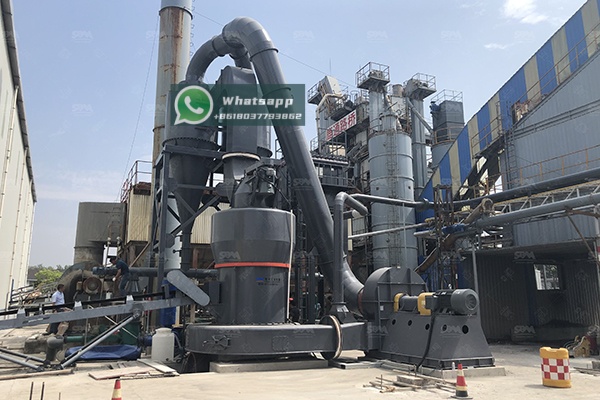
Why MTW for talc? The trapezium surfaces create a rolling-shearing action that is highly effective for laminar minerals like talc. The built-in classifier ensures that product particles coarser than 150 mesh are returned for regrinding, guaranteeing a consistent final product. The entire system is sealed under negative pressure, preventing dust emissions – an important factor for environmental compliance in Tanzania. Furthermore, the main transmission uses a bevel gear with forced lubrication, reducing maintenance intervals. Many Tanzanian talc processors have reported a 15–20% reduction in energy consumption compared to traditional Raymond mills when using the MTW138Z.
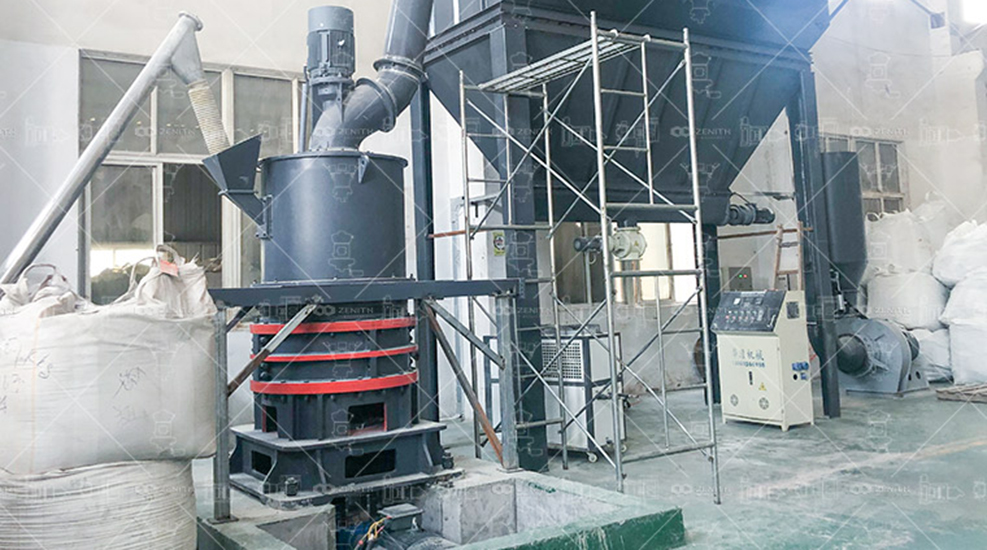
For operations requiring a more compact footprint and lower initial investment, the MTM Medium-Speed Grinding Mill is an ideal alternative. It uses a similar grinding principle to the Raymond mill but with significant upgrades: multi-stage sealed classification, curved shovel blades, and an optimized grinding roller suspension system. The MTM100 and MTM130 models are perfectly sized for talc grinding to 150 mesh, offering capacities of 3–8 t/h and 6–11 t/h respectively.
Below are the relevant technical specifications:
| Model | Ring Roll Number (pcs) | Max. Feed Size (mm) | Output (t/h) | Main Unit Motor Power (kW) |
|---|---|---|---|---|
| MTM100 | 4 | <25 | 3 – 8 | 37 |
| MTM130 | 5 | <30 | 6 – 11 | 75 |
| MTM160 | 6 | <35 | 9 – 22 | 132 |
The MTM mill features a curved shovel that continuously scoops talc and feeds it between the roller and ring. The medium-speed rotation (compared to Raymond mills) reduces vibration and noise, while the classifier rotor provides precise fineness control. For a foundry sand application aiming at 150 mesh, the standard classifier speed can be set to cut at around 100 μm. The MTM130, with its 75 kW main motor, can produce 8–10 t/h of talc powder at 150 mesh, making it a cost-effective choice for Tanzanian entrepreneurs entering the casting sand market.
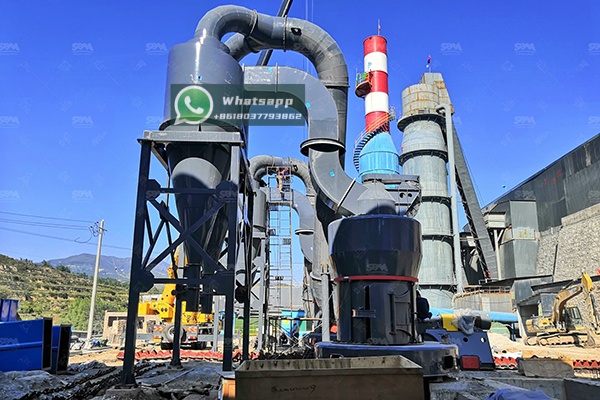
Both the MTW and MTM series are well-suited for talc grinding to 150 mesh. The choice depends on the specific production scale and budget:
Additionally, Shanghai Zenith provides comprehensive after-sales support, including installation supervision, operator training, and wear parts supply. Many customers in East Africa (Kenya, Uganda, Tanzania) have successfully deployed these mills for talc, kaolin, and limestone grinding.
As Tanzania continues to industrialize, the demand for high-quality casting sand additives will grow. Talc powder at 150 mesh plays a vital role in improving mold surface finish, reducing casting defects, and increasing productivity. By investing in advanced grinding equipment from a trusted manufacturer like Shanghai Zenith Machinery Co., Ltd., Tanzanian foundry sand producers can achieve consistent powder quality, lower operating costs, and a stronger competitive position.
The MTW Trapezium Grinding Mill and MTM Medium-Speed Grinding Mill represent the pinnacle of modern medium-fine grinding technology. They combine decades of experience with innovative design to deliver reliable performance even under challenging conditions such as high humidity, variable voltage, or dusty environments. For any talc grinding project in Tanzania, we highly recommend evaluating these two solutions and consulting our technical team for a customized layout.
For further information or to request a quotation, please contact Shanghai Zenith Machinery Co., Ltd. Our team is ready to support your grinding project from feasibility study to full operation.