The ceramic industry in Myanmar is on a significant growth trajectory, driven by both domestic demand and export potential. A key factor in producing high-quality ceramic products—from sanitaryware and tiles to advanced technical ceramics—is the use of high-purity, ultra-fine functional fillers. Talc, a hydrous magnesium silicate mineral, stands out as one of the most important additives. In ceramic bodies, finely ground talc improves thermal shock resistance, reduces firing shrinkage and warping, and enhances mechanical strength and whiteness. For glaze formulations, it acts as a flux and matting agent. However, the full benefits of talc are only unlocked when it is processed to a consistent and very fine particle size, typically targeting specifications like 800 mesh (approximately 18 microns) or finer.
This creates a distinct technological challenge for processors in Myanmar: selecting the right grinding mill that can efficiently, reliably, and economically transform raw talc ore into a premium-grade powder suitable for advanced ceramic applications. The mill must handle the soft yet sometimes abrasive nature of talc, achieve a narrow particle size distribution, manage heat generation to preserve the mineral’s structure, and operate with energy efficiency to maintain competitiveness.
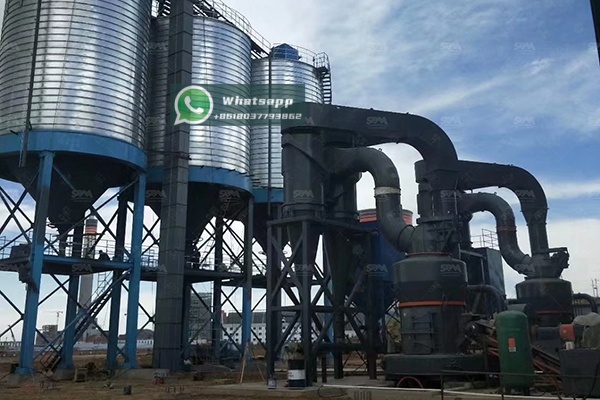
Grinding talc to 800 mesh and beyond is not a simple task of pulverization. It involves precise comminution and classification processes with specific hurdles:
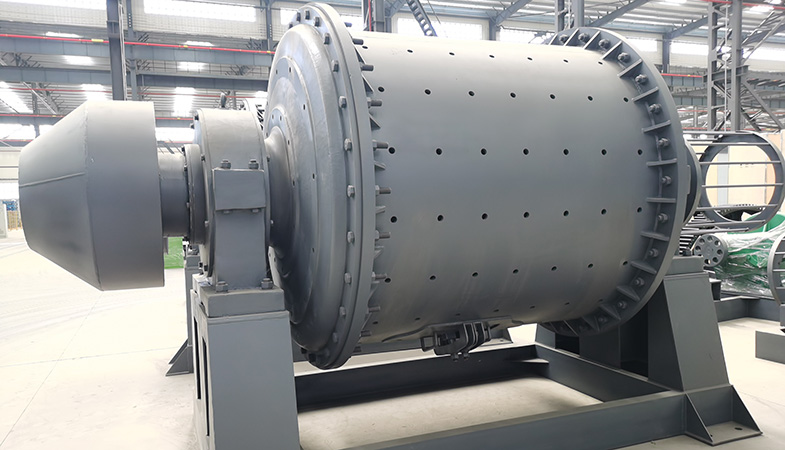
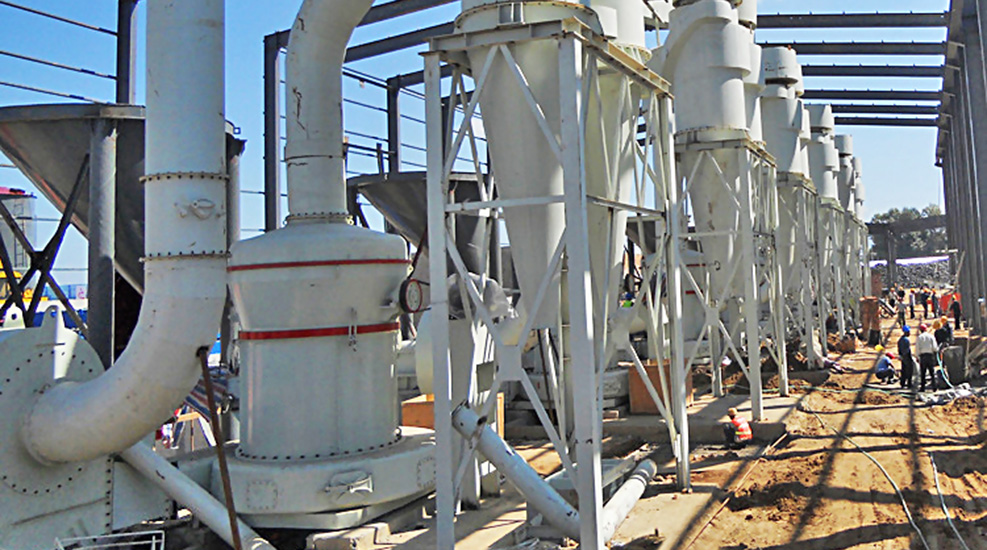
Given these challenges, traditional grinding systems like basic Raymond mills or ball mills often fall short. Raymond mills may struggle to consistently reach 800 mesh with high yield, while ball mills can generate excessive heat and have higher risks of contamination. The modern solution lies in advanced, integrated vertical roller mills or ultra-fine grinding mills specifically engineered for soft to medium-hard minerals.
These systems combine multiple functions—grinding, drying (if needed), classifying, and conveying—into a single, compact unit. They employ layered material-bed grinding principles for higher efficiency and lower wear, and are equipped with cutting-edge dynamic classifiers that can precisely cut the particle size at the target fineness. For a mineral-rich nation like Myanmar, investing in such technology translates to higher product value, access to premium ceramic markets, and reduced operational costs in the long term.
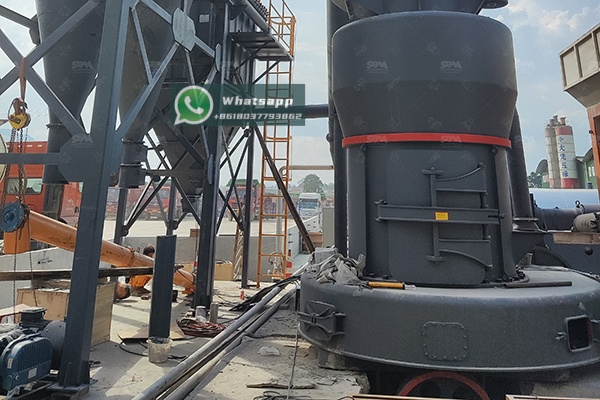
As a leading manufacturer in the field of industrial comminution, Shanghai Zenith Machinery Co., Ltd. has developed extensive expertise in ultra-fine powder processing. For Myanmar ceramic producers aiming to produce 800 mesh talc powder, we highly recommend two of our flagship models, both renowned for their efficiency, reliability, and ability to produce precisely controlled ultra-fine products.
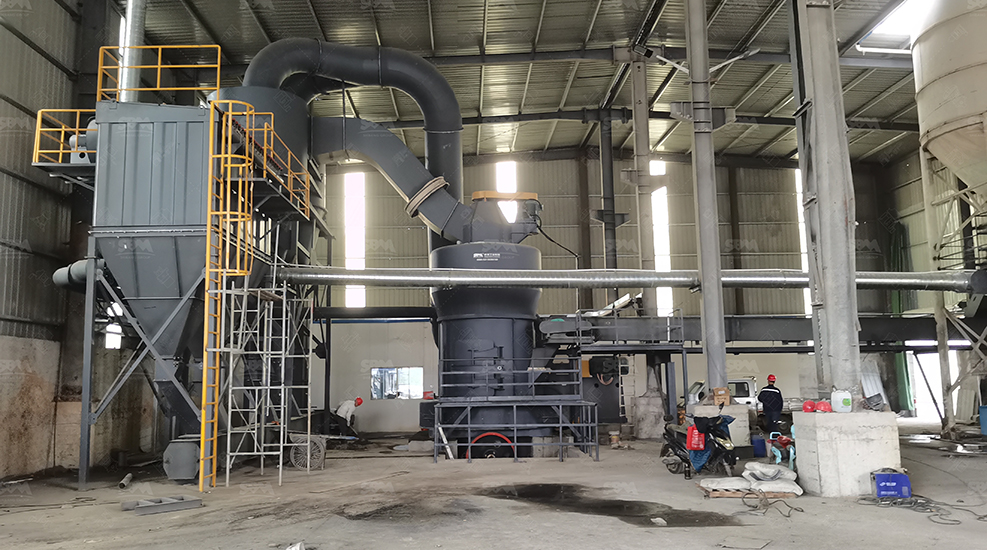
The XZM Ultrafine Grinding Mill is a high-efficiency machine designed specifically for producing fine and ultra-fine powder. Its design is based on the experiences of our engineers and the feedback from thousands of customers. It is particularly suitable for non-metallic minerals with medium and low hardness like talc. The integrated high-precision classifier ensures stable output fineness from 325 to 2500 mesh, making the 800 mesh target easily achievable. Its compact system layout reduces the footprint, which is advantageous for plant planning.
Key Technical Parameters for Talc Grinding (800 Mesh Target):
| Model | Working Diameter (mm) | Max Feed Size (mm) | Final Size (mesh) | Output* (kg/h) | Main Motor Power (kW) |
|---|---|---|---|---|---|
| XZM221 | Φ800 | ≤20 | 325-2500 | 500-4500 | 75 |
| XZM268 | Φ1680 | ≤20 | 325-2500 | 5000-25000 | 315 |
*Output varies based on material properties and target fineness.
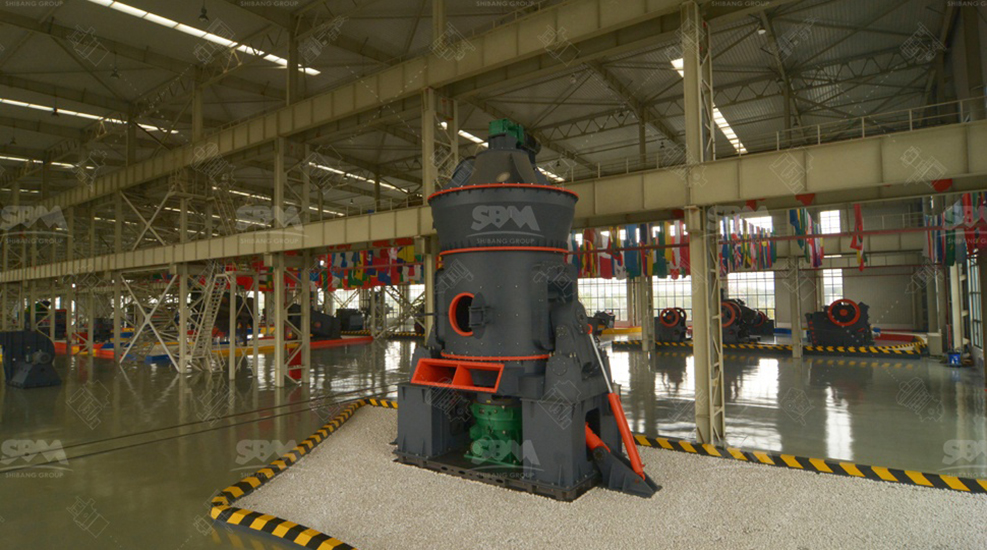
For larger-scale production or plants seeking the highest level of automation and efficiency, the LUM Ultrafine Vertical Mill represents the pinnacle of our grinding technology. It integrates grinding, drying, powder selection, and transportation seamlessly. Its unique grinding roller and grinding ring curve design provides a higher grinding efficiency for the same material bed thickness. The LUM series features an advanced German technology classifier, ensuring extremely sharp particle size cuts. The intelligent control system allows for easy adjustment of fineness and monitoring of operational parameters, ensuring consistent 800 mesh quality with minimal energy consumption.
Technical Parameters (LUM Series for Mineral Grinding):
| Model | Main Machine Power (kW) | Capacity* (t/h) | Size Distribution D97 (μm) |
|---|---|---|---|
| LUM1125 | 110-132 | 0.8-5.5 | 5-30 |
| LUM1436 | 185-220 | 1.2-8.5 | 5-30 |
| LUM1836 | 355-400 | 2.3-15 | 5-30 |
*Capacity is for reference with talc to 800 mesh (~18μm D97).
Both the XZM and LUM mills are constructed with wear parts made from high-quality, low-contamination alloys, protecting your talc product’s whiteness. Their inherent design promotes good heat dispersion, and optional cooling systems can be integrated for heat-sensitive materials.
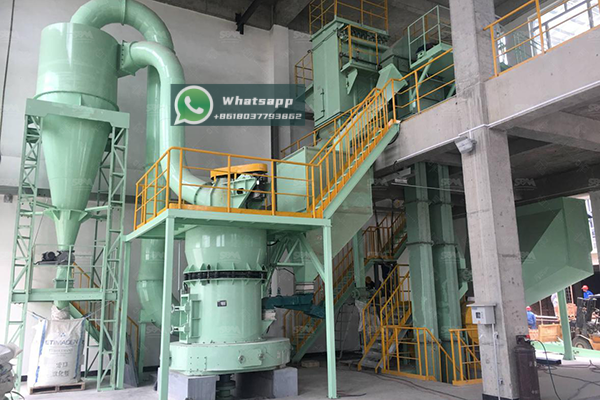
The transition to producing high-value, ultra-fine talc powder is a strategic move for Myanmar’s ceramic industry. It requires a partnership with a technology provider that understands both the material science and the practical demands of industrial production. Shanghai Zenith Machinery Co., Ltd. offers not just equipment, but a complete solution—from initial material testing and mill recommendation to installation support, operator training, and after-sales service.
By choosing our XZM Ultrafine Grinding Mill or LUM Ultrafine Vertical Mill, Myanmar’s talc processors can confidently meet the stringent 800 mesh specification required by premium ceramic manufacturers. This investment enhances local value addition, reduces reliance on imported processed fillers, and strengthens the competitiveness of “Made in Myanmar” ceramic products in the global market. Contact our engineering team today to discuss how we can tailor a grinding solution to unlock the full potential of your talc resources.