Libya’s coating and paint industry has been growing steadily, supported by infrastructure reconstruction and a rising demand for decorative and protective coatings. Talc is an essential functional filler in this sector. It improves mechanical strength, reduces manufacturing costs, and enhances the final appearance of paints and coatings. To meet industrial requirements, talc must be ground to a controlled particle size and consistent quality. A talc grinding mill with a capacity of 10-20 tph is a critical investment for Libyan coating producers. Shanghai Zenith Machinery Co., Ltd., one of China’s leading grinding equipment manufacturers, supplies high-performance grinding mills that exactly match this challenge.
Talc is a hydrated magnesium silicate mineral with a Mohs hardness of 1. It is naturally platy, chemically inert, and hydrophobic. In coatings, talc is used as a filler and extender. It improves suspension, prevents sagging, improves sandability, and provides a matte finish. Talc also increases the opacity and weather resistance of the final product. For high-quality coating formulations, talc powder should have a lamellar structure, high whiteness, and a narrow particle size distribution. The grinding process determines these characteristics. Therefore, the choice of a talc grinding mill is crucial. In Libya, where temperatures can be high and the climate is dry, the grinding system must also operate reliably with robust construction and simple maintenance.
A coating-grade talc plant with a production capacity of 10 to 20 tons per hour requires a mill with sufficient processing capacity and precise classification. The feed material often comes from local mines as lumps of 20-40 mm. The mill must crush these lumps, grind them into fine powder, and separate oversize particles continuously. The final product for coating applications is usually between 325 mesh (45 microns) and 600 mesh (23 microns), and sometimes even finer for high-opacity paints. The moisture content of talc must be controlled to below 6% to prevent clogging. Furthermore, the grinding equipment must have a low specific energy consumption, because energy cost is a large part of talc production. Zenith’s mills meet these requirements through advanced grinding technology and intelligent classification.
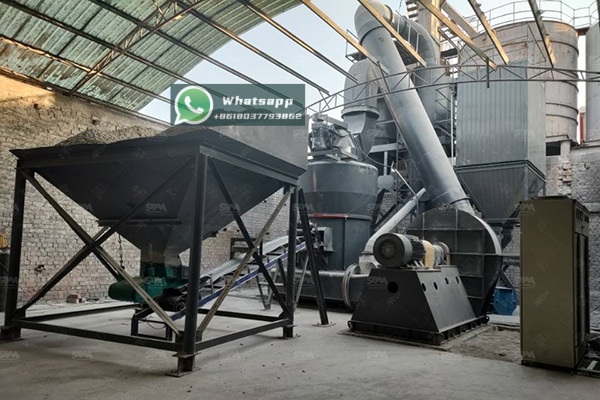
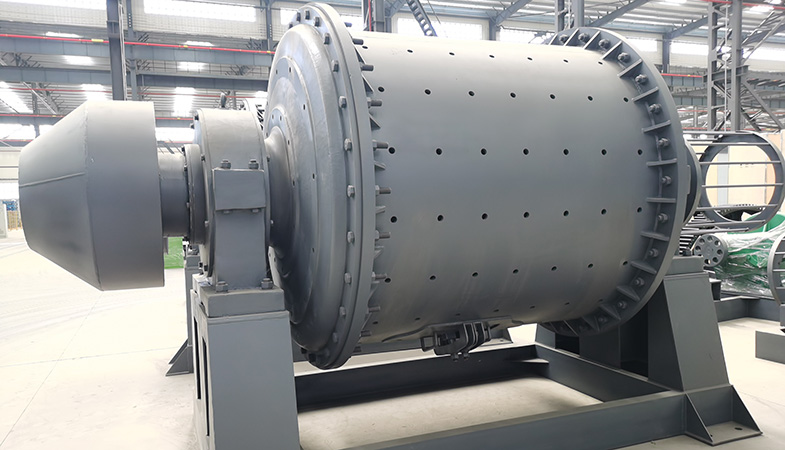
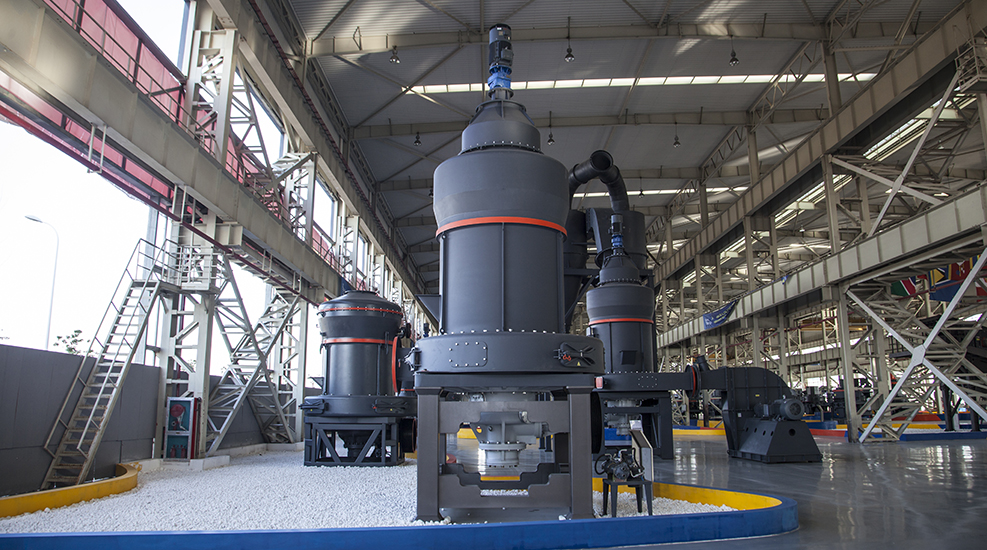
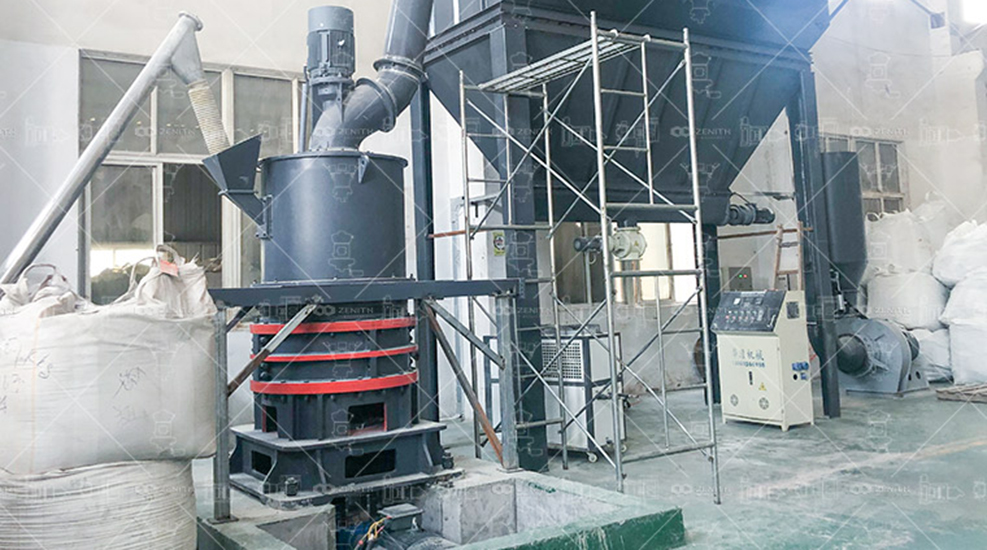
Shanghai Zenith Machinery Co., Ltd. is an excellent manufacturer of ore grinding equipment in China and has made great achievements in the field of ultra-fine powder grinding. The company specializes in the research, development, and production of industrial powder grinding equipment and related devices. Zenith offers a broad product portfolio that includes MTW Trapezium Grinding Mill, Ball Mill, MTM Medium-Speed Grinding Mill, Raymond Mill, LM Vertical Grinding Mill, LUM Ultrafine Vertical Mill, XZM Ultrafine Grinding Mill, and Hammer Mill. For talc coating production in Libya with an output of 10-20 tph, we recommend two specific models: MTW175G and LM220X-GX. Both are proven in mineral processing and coating applications worldwide.
The MTW series is a result of many years of Zenith research and development. It adopts multiple patents and an innovative trapezium-shaped grinding roller and ring. This design increases grinding efficiency and reduces wear. The MTW175G model has a maximum feed size of less than 40 mm and can produce final powder between 1.6 mm and 0.045 mm. With a capacity from 9.5 to 25 tons per hour, it comfortably covers the 10-20 tph requirement. The main motor is 160 kW, while the fan motor is 200 kW. The internal classification system ensures uniform fineness. The mill also features a self-lubricating system, an adjustable speed classifier, and a sealed housing that prevents dust leakage. For talc coating filler at 325 mesh, MTW175G is an ideal choice because it combines high throughput with stable product quality.
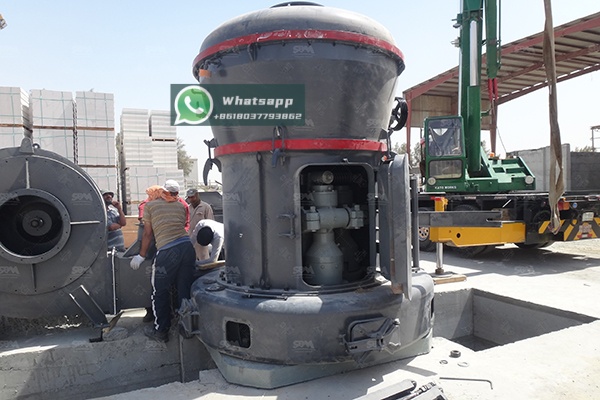
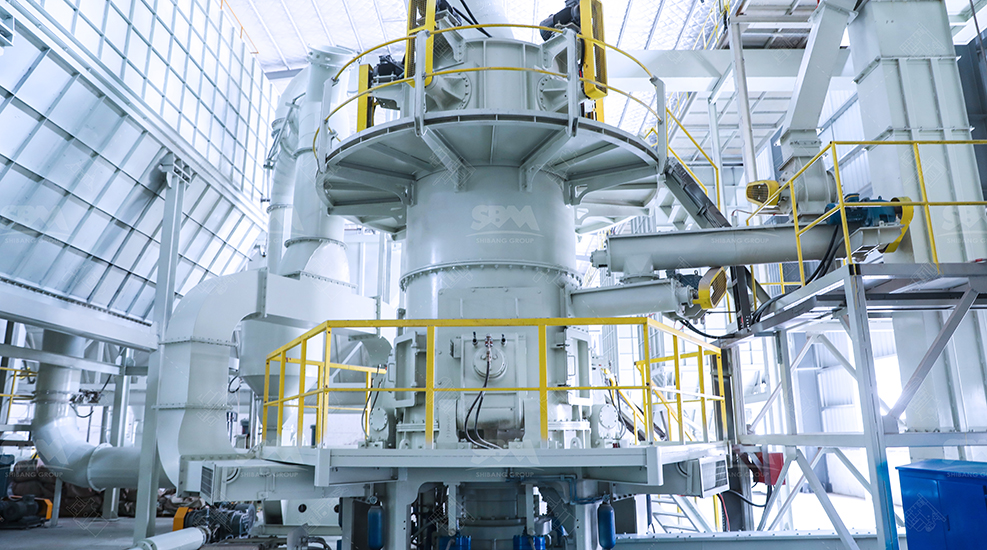
When coating formulations demand a finer powder, the LM220X-GX vertical fine-powder mill becomes the preferred solution. This mill integrates five functions in one machine: crushing, grinding, powder selection, drying, and material conveying. It features a large vertical grinding table with a diameter of 2200 mm and a capacity of 15 to 30 tons per hour. The main motor power is 560 kW. The final product fineness is guaranteed at D97 325-600 mesh, which exactly satisfies high-end coating applications. The LM series vertical mill occupies less floor space than other systems and consumes less energy because the grinding and classification are combined. The classifier can be adjusted to change product fineness with minimal effort. This flexibility is valuable for producers in Libya who need to adapt to different coating product specifications.
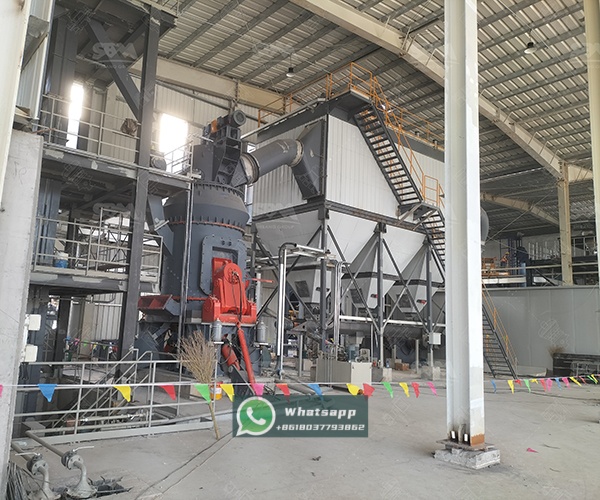
The following table summarizes the technical parameters of the two recommended talc grinding mills.
| Parameter | MTW175G | LM220X-GX |
|---|---|---|
| Max Feed Size | <40 mm | N/A |
| Final Fineness | 1.6-0.045 mm | D97: 325-600 mesh |
| Capacity | 9.5-25 t/h | 15-30 t/h |
| Main Motor Power | 160 kW | 560 kW |
| Fan Motor Power | 200 kW | N/A |
| Integration | Grinding and classifying | Crushing, grinding, drying, classifying, conveying |
Note: The LM220X-GX final fineness is expressed as D97, which means 97% of the particles are smaller than the specified mesh size. The MTW175G final size range includes 0.045 mm, equivalent to 325 mesh, which is the most common talc filler fineness used in coatings.
The grinding mills recommended by Zenith are designed for reliable operation in demanding environments. In Libya, fluctuations in power supply and high ambient temperatures can affect equipment performance. Zenith mills use heavy-duty gearboxes, high-quality bearings, and a centralized lubrication system to minimize breakdowns. The grinding rollers can be turned over for extended service life, reducing maintenance costs. In addition, the pneumatic conveying system and bag filters ensure that the production process is clean and safe. For a 10-20 tph talc grinding plant, the mill can be integrated into a complete system with jaw crusher, bucket elevator, silo, vibrating feeder, and packing machine. Zenith provides complete plant design and commissioning services.
If the target product is general-purpose talc filler for interior or exterior paints, the MTW175G is recommended for its low investment and stable output. If the customer requires ease of drying, fine classification, and the possibility of producing multiple grades, the LM220X-GX vertical mill is more suitable. Both machines can achieve 10-20 tph, but the choice should be based on the feed particle size, moisture content, target fineness, and available plant area. Zenith engineers are able to conduct material tests and recommend the best process flow. They can also supply a complete turnkey project including civil engineering drawings, installation, and operator training.
For Libya’s coating industry, a reliable talc grinding mill with 10-20 tph capacity is the cornerstone of profitable production. Talc is a material that is easy to grind but difficult to process with consistent fineness and shape. Shanghai Zenith Machinery Co., Ltd. provides advanced MTW and LM series grinding mills that solve these problems. With patented technology, strong manufacturing capability, and worldwide service experience, Zenith has become a trusted partner for talc processing plants. To start a successful talc grinding project for coating production in Libya, contact Zenith to receive a detailed proposal and equipment specification.