The paint and coatings industry in Qatar, driven by a robust construction sector and ambitious infrastructure projects like those for the FIFA World Cup 2022 and Qatar National Vision 2030, demands high-performance materials. Among these, talc powder is a critical functional filler, prized for its ability to improve paint properties such as sheen control, suspension, corrosion resistance, and brushability. The key to unlocking these benefits lies in achieving a consistently fine and uniform particle size, typically targeting 325 mesh (approximately 45 microns). This requirement makes the choice of grinding mill technology paramount for producers and suppliers in the region.
Talc, a hydrated magnesium silicate, is more than just an extender. In paint formulations, it acts as a reinforcing agent. At the optimal fineness of 325 mesh, talc particles fill voids between larger pigment particles, creating a denser, more durable film. This enhances scrub resistance, reduces settling, and improves the overall opacity and matting effect. For exterior paints, talc’s lamellar (plate-like) structure provides excellent barrier properties against moisture, a crucial factor in Qatar’s coastal climate. Therefore, the grinding process must preserve this platelet structure while achieving the target fineness, ruling out technologies that cause excessive particle destruction.
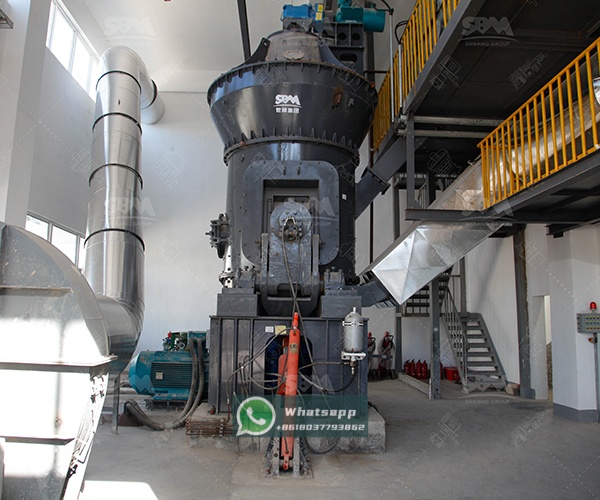
Grinding talc is a delicate operation. Its inherent softness (1 on the Mohs scale) can lead to over-grinding and energy inefficiency if the mill applies excessive shear or impact force. The goal is to delaminate the talc layers rather than shatter them. Furthermore, maintaining a low iron contamination level is essential to preserve the brightness and color of the final paint. Traditional grinding solutions often struggle with heat generation, which can degrade talc’s properties, and with achieving a narrow particle size distribution (PSD). A wide PSD can lead to inconsistent paint performance and poor gloss control.
For processing talc into high-value paint filler, advanced grinding mills that combine gentle grinding action, efficient classification, and precise temperature control are indispensable. Leading this technological frontier is Shanghai Zenith Machinery Co., Ltd., an excellent manufacturer renowned for its achievements in ultra-fine powder grinding. Zenith specializes in the research, development, and production of industrial powder grinding equipment, offering tailored solutions for mineral processors.
For the specific application of producing 325-mesh talc for paint, two of Zenith’s product lines stand out for their efficiency, reliability, and superior product quality.
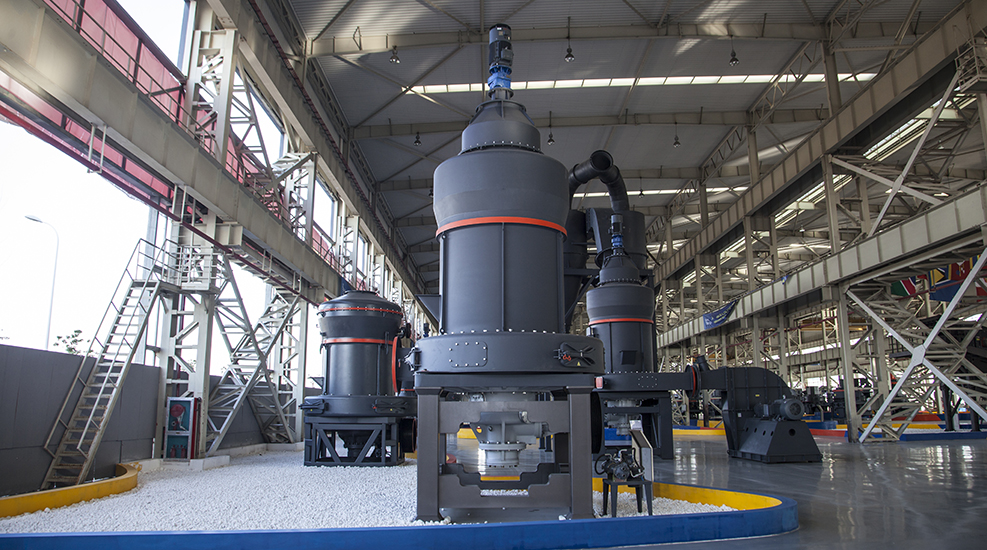
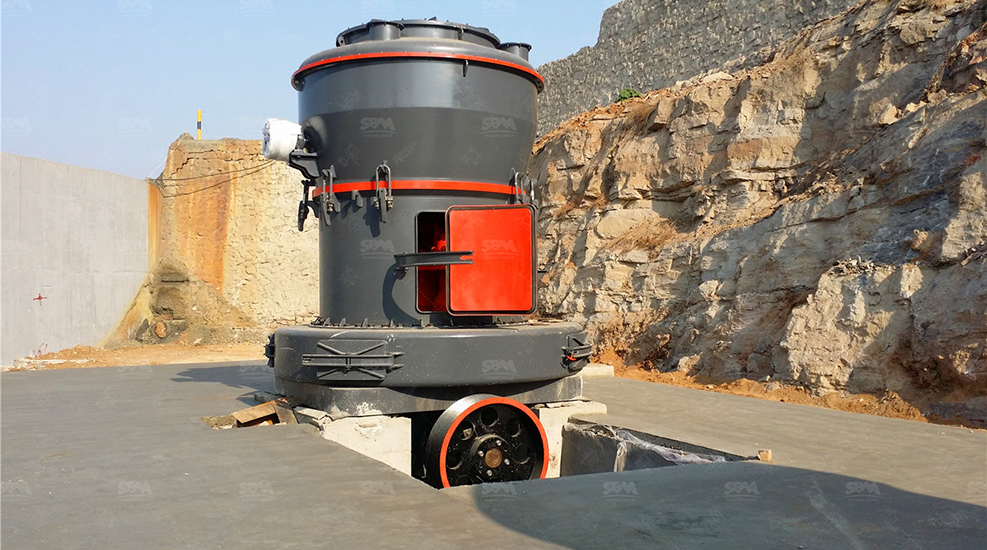
The Zenith XZM Ultrafine Grinding Mill is a pioneering machine designed specifically for producing fine and ultra-fine powders. Its integrated grinding and classification system is ideal for soft materials like talc. The mill uses a ring and roller grinding mechanism, where rollers rotate and press against a grinding ring, crushing and grinding the material fed from the center. A high-efficiency classifier immediately separates particles that have reached the target fineness (325 mesh), while coarser particles are returned for further grinding. This closed-circuit system ensures high energy efficiency and a remarkably uniform product.
For a talc processing plant in Qatar, the XZM series offers distinct advantages: low heat generation due to efficient airflow, which protects talc’s structure; excellent controllability over final fineness from 325 to over 2500 mesh; and a compact design that minimizes the footprint—a valuable consideration for industrial facilities.
| Model | Working Diameter (mm) | Max Feed Size (mm) | Final Size (Mesh) | Output (kg/h) | Main Motor Power (kW) |
|---|---|---|---|---|---|
| XZM221 | Φ800 | ≤20 | 325-2500 | 500-4500 | 75 |
| XZM268 | Φ1680 | ≤20 | 325-2500 | 5000-25000 | 315 |
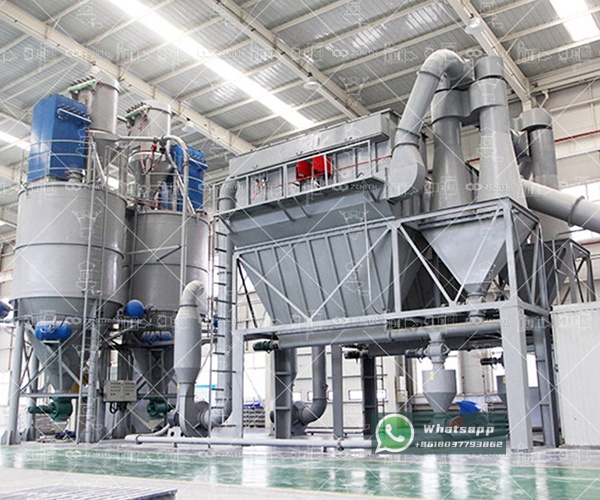
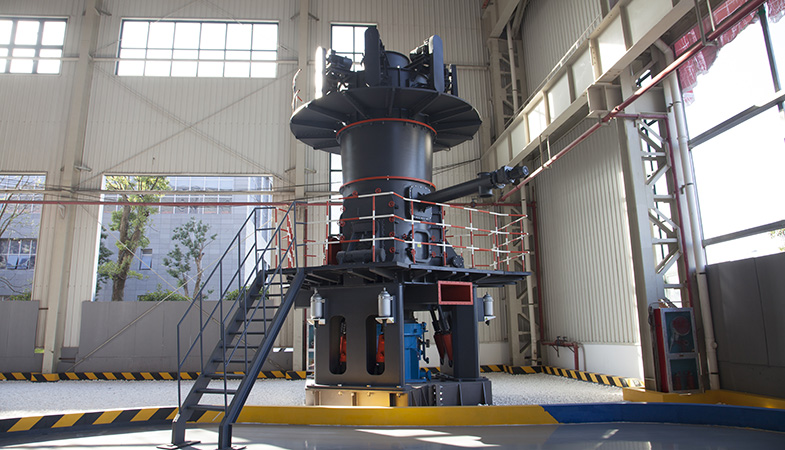
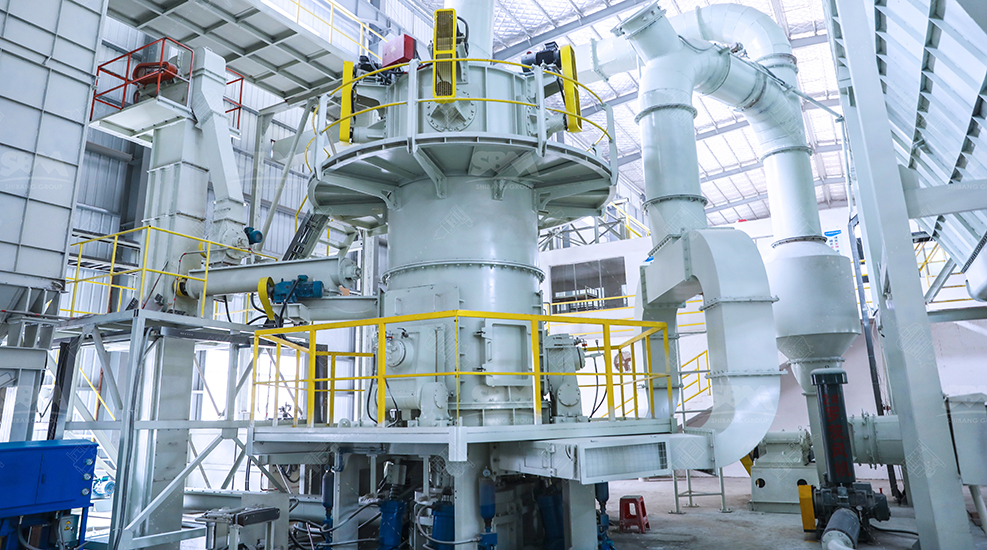
For larger-scale production requiring integrated drying and grinding, the Zenith LUM Ultrafine Vertical Mill represents the pinnacle of innovation. It integrates grinding, drying, classifying, and conveying into a single unit. This is particularly beneficial if the raw talc feedstock has variable moisture content. The LUM mill employs a unique grinding roller and curve grinding plate design, which provides a more efficient grinding trajectory and lower wear rates.
Its standout feature is the advanced German-made classifying technology, which ensures extremely sharp particle cuts, making it perfect for achieving the tight 325-mesh specification with minimal oversize or fines. The fully automatic control system allows for stable, continuous operation with minimal manpower—a significant benefit for modern industrial plants in Qatar seeking operational excellence.
| Model | Main Machine Power (kW) | Capacity (t/h) | Size Distribution D97 (μm)* |
|---|---|---|---|
| LUM1525 | 220-250 | 1.6-11.5 | 5-30 (≈500-325 mesh) |
| LUM1632 | 280-315 | 2.0-13.5 | 5-30 |
| LUM1836 | 355-400 | 2.3-15 | 5-30 |
*Note: D97 ≤ 45μm corresponds to 325 mesh. The LUM mill can easily be configured to meet this target.
Selecting the right equipment partner is as crucial as selecting the right mill. Shanghai Zenith Machinery provides not just machines, but holistic solutions. From initial material testing and process design to installation, commissioning, and after-sales support, Zenith ensures that the grinding system is optimized for Qatari talc ore and local operating conditions. Their equipment is designed with energy efficiency and environmental protection in mind, aligning with Qatar’s sustainability goals. The durability and low maintenance requirements of mills like the XZM and LUM series translate into lower total cost of ownership and higher profitability for paint filler producers.
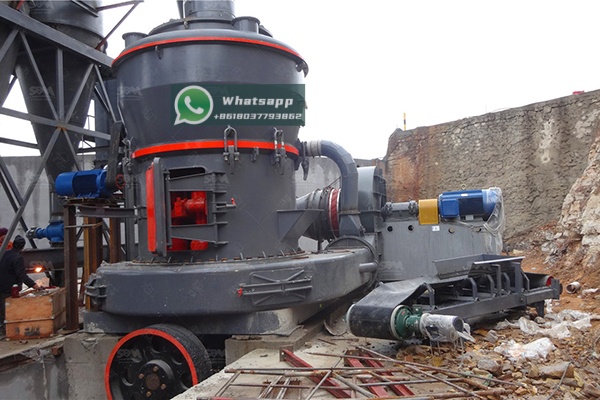
Supplying the Qatari paint industry with high-quality 325-mesh talc filler requires precision grinding technology that balances fineness, particle shape, and production economics. The advanced engineering of Shanghai Zenith’s XZM Ultrafine Grinding Mill and LUM Ultrafine Vertical Mill offers reliable, efficient, and scalable solutions tailored to these demands. By investing in such technology, processors can ensure a superior product that meets the exacting standards of the regional coatings market, contributing to the quality and longevity of architectural and industrial projects across Qatar and beyond.