Ethiopia’s burgeoning industrial sector, particularly in rubber manufacturing, is increasingly turning to locally sourced minerals to enhance product quality and reduce import dependency. Zeolite, a versatile aluminosilicate mineral with a porous structure, has emerged as a highly effective functional filler for rubber compounds. Its unique properties—including high surface area, cation exchange capacity, and thermal stability—can significantly improve the reinforcement, aging resistance, and processing characteristics of rubber products. However, the key to unlocking these benefits lies in the precise and efficient grinding of raw zeolite to the optimal fineness, typically around 150 mesh (approximately 100 microns). This article explores the technical requirements for zeolite grinding in Ethiopia and presents advanced milling solutions to meet this critical industrial need.
In rubber filler applications, particle size distribution is paramount. A target of 150 mesh represents an ideal balance for several reasons. Firstly, particles of this fineness disperse uniformly within the rubber matrix, ensuring consistent reinforcement without creating weak spots. Secondly, the increased surface area of fine zeolite powder enhances its interaction with rubber polymers, leading to improved tensile strength, tear resistance, and modulus. Furthermore, zeolite’s microporous structure can act as a desiccant within the compound, absorbing moisture and other volatiles that might otherwise cause defects during vulcanization. For Ethiopian manufacturers producing tires, conveyor belts, seals, and other rubber goods, incorporating locally processed 150-mesh zeolite filler translates to cost savings, improved product performance, and greater supply chain resilience.
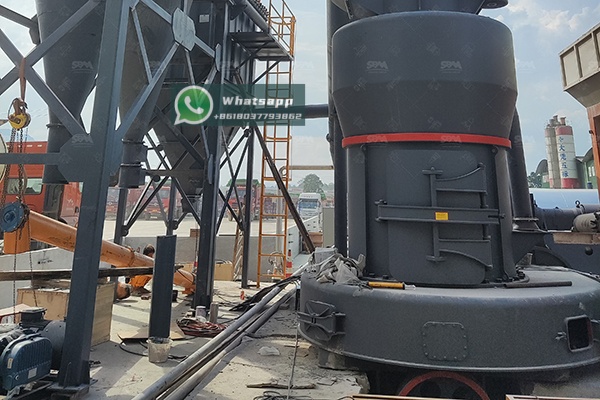
Grinding zeolite presents specific challenges that not all milling equipment can address effectively. Zeolite is a medium-hardness mineral that can be abrasive, leading to excessive wear on grinding components. Its natural moisture content must be managed to prevent clogging and ensure efficient dry grinding. The milling process must also preserve the mineral’s delicate crystalline structure to maintain its functional properties. Over-grinding can collapse the pores, while under-grinding results in poor dispersion. Therefore, the ideal grinding mill must offer precise particle size control, robust construction, energy efficiency, and integrated drying capability to handle Ethiopian zeolite feedstocks reliably.
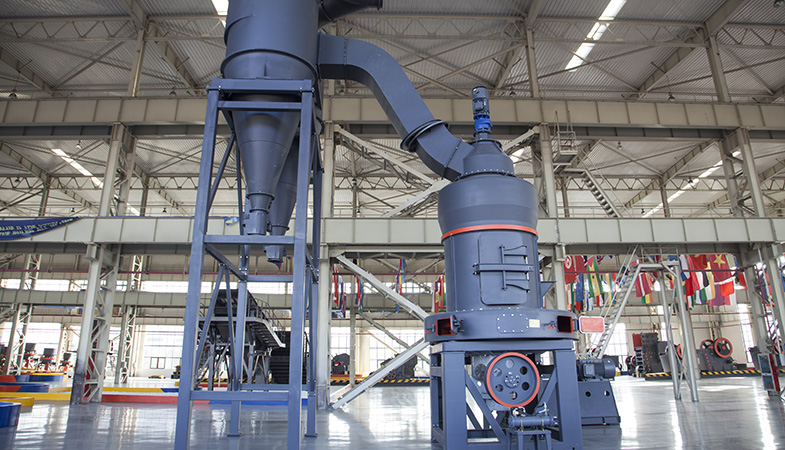
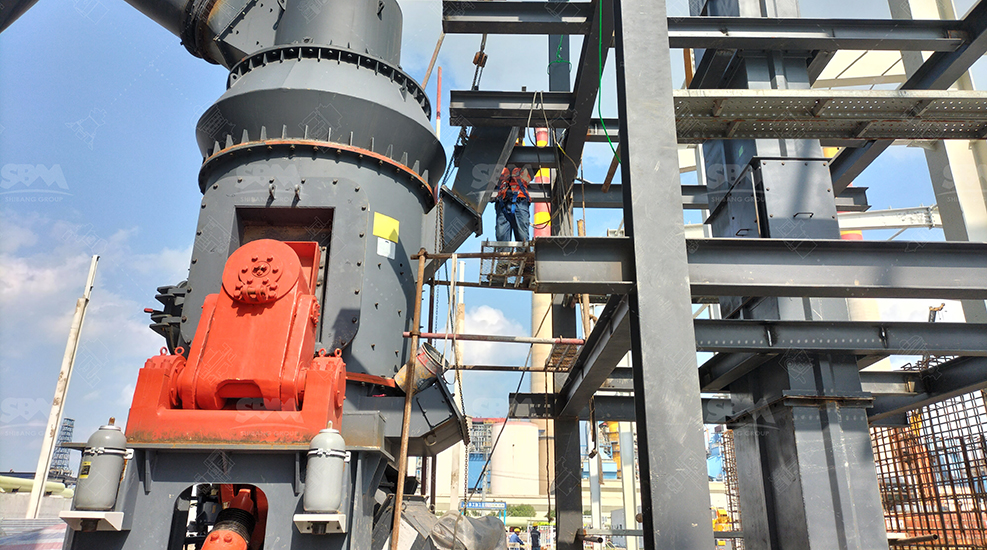
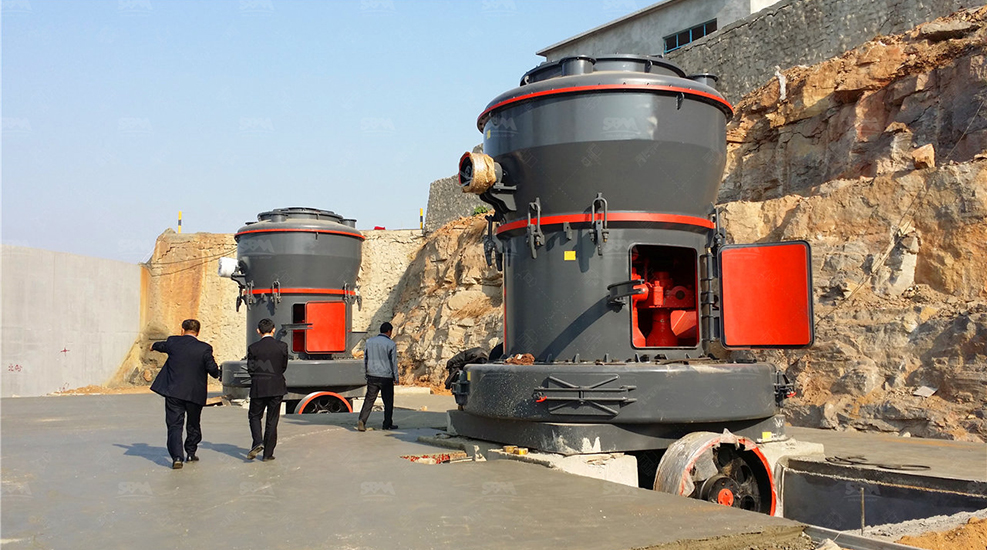
For the specific application of producing 150-mesh zeolite filler for rubber in Ethiopia, Shanghai Zenith Machinery Co., Ltd. recommends its advanced XZM Ultrafine Grinding Mill. As a leader in powder processing technology, Zenith has engineered the XZM series specifically for producing fine and ultra-fine powders from soft to medium-hard materials. Its design is perfectly suited to achieve the consistent 150-mesh output required for high-quality rubber compounding while managing the unique characteristics of zeolite.
The XZM Mill operates on the principle of centrifugal grinding. The main shaft drives a grinding roller assembly that rotates against a stationary grinding ring. Material is fed into the center, thrown outward by centrifugal force, and ground between the rollers and the ring. An integrated high-efficiency classifier ensures that only particles meeting the target fineness (150 mesh) pass through, while coarser particles are recirculated for further grinding. This closed-circuit system guarantees a uniform product. Furthermore, the mill can be equipped with a hot air inlet to handle materials with slight moisture, a common consideration for mineral processing in various climates.
| Model | Working Diameter (mm) | Max Feed Size (mm) | Final Size (Mesh) | Output (kg/h) | Main Motor Power (kW) |
|---|---|---|---|---|---|
| XZM221 | Φ800 | ≤20 | 325-2500 | 500-4500 | 75 |
| XZM268 | Φ1680 | ≤20 | 325-2500 | 5000-25000 | 315 |
For most Ethiopian operations starting zeolite filler production, the XZM221 model offers an excellent balance of capacity, fineness control, and investment cost. With an output range of 500-4500 kg/h, it can comfortably produce 150-mesh powder (well within its 325-2500 mesh range) to supply local rubber plants. Its robust construction minimizes wear from abrasive minerals, ensuring long service life and low maintenance costs—a crucial factor for sustainable operations.
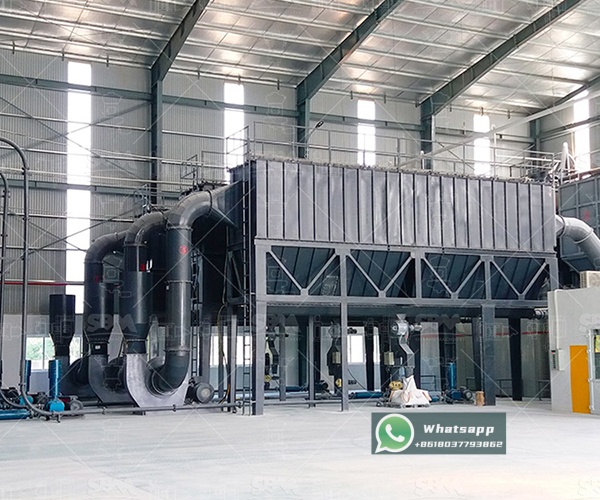
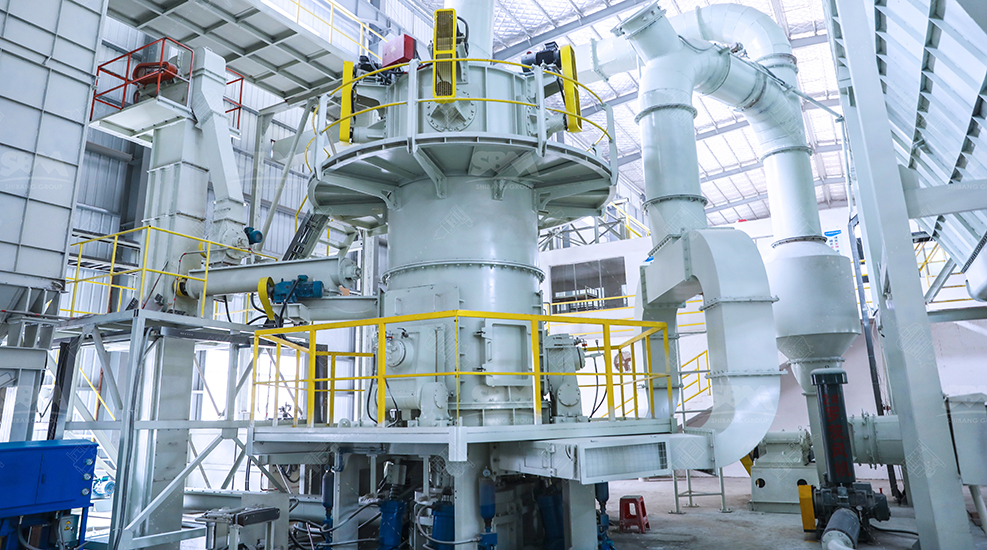
For projects requiring higher throughput or processing zeolite with a broader initial size distribution, Zenith’s MTW Trapezium Grinding Mill presents a powerful alternative. This mill is renowned for its high capacity, efficiency, and reliability. It features a patented curved shovel blade that increases feeding capacity and a geared drive for smoother operation. The MTW series is particularly adept at producing powders in the 150-mesh range with exceptional stability and low energy consumption per ton.
Key advantages for zeolite processing include its larger feed size tolerance (up to 50mm for some models), which can reduce pre-crushing costs, and its advanced internal powder separator, which provides precise classification. The MTW138Z or MTW175G models would be highly suitable for establishing a central zeolite processing facility in Ethiopia, supplying multiple rubber manufacturers across the region.
Shanghai Zenith Machinery Co., Ltd. is not just an equipment supplier; it is a partner in industrial development. With extensive experience in the field of ultra-fine powder grinding, Zenith provides comprehensive support, from initial mineral testing and mill selection to installation, training, and after-sales service. Our grinding mills are designed for durability and ease of maintenance, with readily available spare parts—a critical consideration for ensuring uninterrupted production in Ethiopia.
By choosing Zenith’s XZM or MTW grinding mill, Ethiopian entrepreneurs and industrialists invest in technology that delivers:
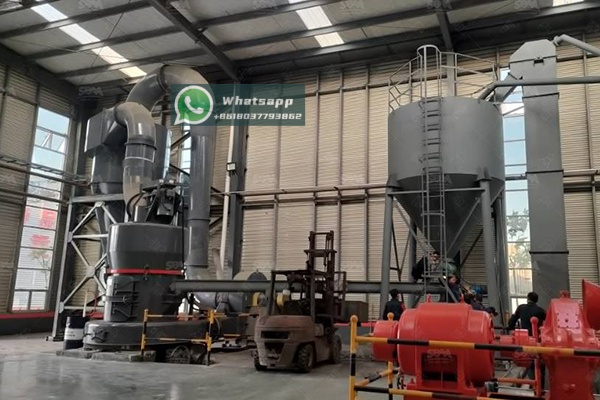
The development of a local zeolite processing industry for rubber filler represents a significant opportunity for Ethiopia’s manufacturing sector. The cornerstone of this value chain is advanced, reliable grinding technology capable of producing consistent, high-quality 150-mesh powder. Shanghai Zenith Machinery’s XZM Ultrafine Grinding Mill stands out as the ideal solution for this application, offering the perfect blend of precision, efficiency, and robustness. By leveraging such technology, Ethiopia can transform its natural mineral resources into a valuable industrial input, fostering import substitution, creating jobs, and enhancing the global competitiveness of its rubber products. We invite potential partners in Ethiopia to contact us to discuss how our grinding solutions can be tailored to power your project’s success.