Malaysia is one of Southeast Asia’s most active manufacturing and foundry markets. From automotive components and industrial valves to pumps, electrical fittings, and precision machinery parts, local foundries depend on carefully prepared casting sand to achieve dimensional accuracy, smooth surface finish, and consistent mold performance. Calcium carbonate is increasingly used in casting sand formulations as a functional mineral additive. When ground to approximately 150 mesh, it can help improve sand flowability, reduce surface defects, and support stable mold behavior during pouring. For Malaysian foundries, mineral processors, and casting sand suppliers, choosing the right calcium carbonate grinding mill is therefore a practical investment. Shanghai Zenith Machinery Co., Ltd. offers advanced industrial grinding equipment, including the MTW Trapezium Grinding Mill and the LM Vertical Grinding Mill, both of which are well suited to 150 mesh calcium carbonate production for casting sand applications.
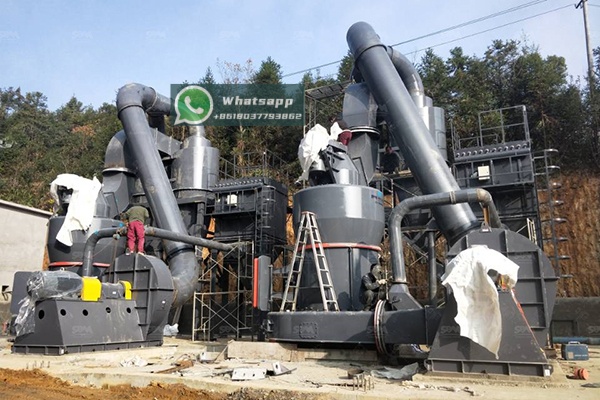
Mesh size is a common way to describe the particle size of mineral powders. A 150 mesh powder is generally equivalent to about 100 microns, or 0.10 mm. This is not an ultrafine powder, but it is fine enough to disperse evenly through molding sand and provide useful functional effects. In casting sand, calcium carbonate at 150 mesh can act as a filler and additive that influences thermal expansion, gas evolution, surface finish, and mold release. It is often used in combination with silica sand, zircon sand, chromite sand, or other refractory aggregates, depending on the metal being cast and the required surface quality.
For ferrous and non-ferrous foundries, particle size consistency is critical. If the calcium carbonate is too coarse, it may not blend uniformly with the sand and can create local weak spots. If it is too fine, it may increase dust, reduce permeability, or raise binder demand. A well-controlled 150 mesh product provides a practical balance: fine enough for good distribution, but not so fine that it creates excessive dust or handling problems. This is why the grinding circuit must be selected and adjusted carefully, not simply chosen for maximum fineness.
Malaysian calcium carbonate sources can vary from high-purity limestone to recycled or by-product carbonate materials. Feedstock moisture, hardness, silica content, and particle size distribution all affect grinding performance. In a tropical climate, humidity control and drying are also important. If the feed material contains moisture, it can cause clogging, reduce mill throughput, and create inconsistent product fineness. A professional grinding solution should therefore include stable feeding, effective drying where necessary, reliable classification, and dust collection.
Another important factor is energy cost. Foundries and mineral processors in Malaysia face rising electricity and labor costs. A grinding mill that delivers high capacity per kilowatt-hour, low maintenance, and long service life will reduce total cost of ownership. The mill should also be easy to operate and maintain, with wear parts that are accessible and durable. Finally, environmental compliance is essential. Dust emissions, noise, and material spillage must be controlled to meet workplace safety and local environmental expectations.
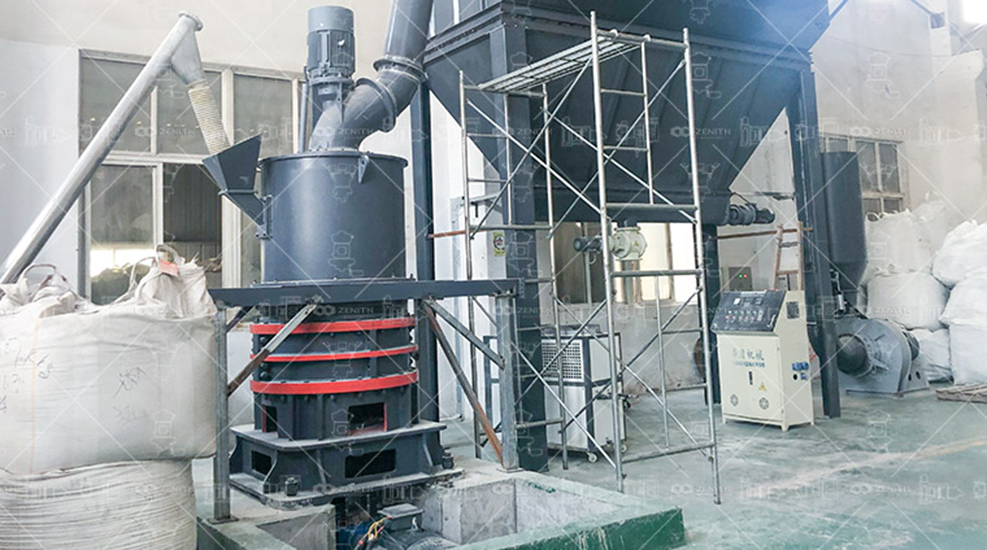
For 150 mesh calcium carbonate, several mill types can be considered. Raymond mills are traditional choices, but modern trapezium mills and vertical mills offer better efficiency, higher capacity, and more stable product quality. Ultrafine mills such as the XZM series can produce 325 to 2500 mesh, but for casting sand at 150 mesh, they may be more expensive than necessary. The optimal choice is usually a mill that can comfortably produce 100 microns with high throughput, low specific energy consumption, and reliable classification.
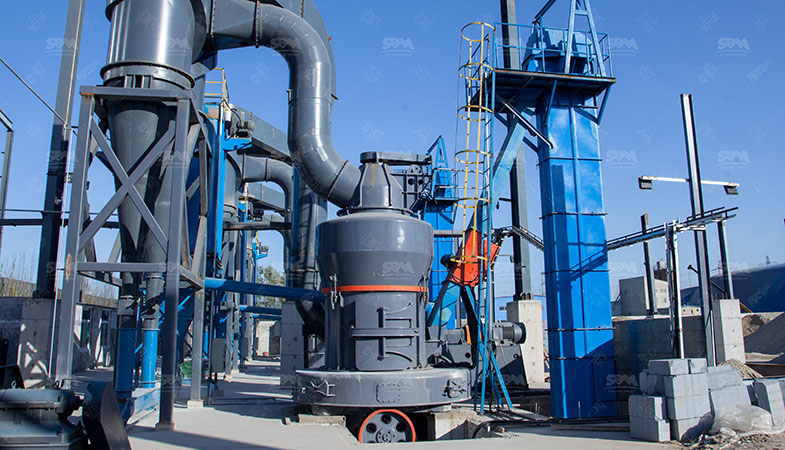
Shanghai Zenith Machinery Co., Ltd. specializes in industrial powder grinding equipment and has extensive experience in mineral processing. Among its product range, the MTW Trapezium Grinding Mill and the LM Vertical Grinding Mill are especially suitable for 150 mesh calcium carbonate for casting sand in Malaysia. Both can be integrated into complete production lines with jaw crushers, bucket elevators, vibrating feeders, classifiers, dust collectors, and packaging systems.
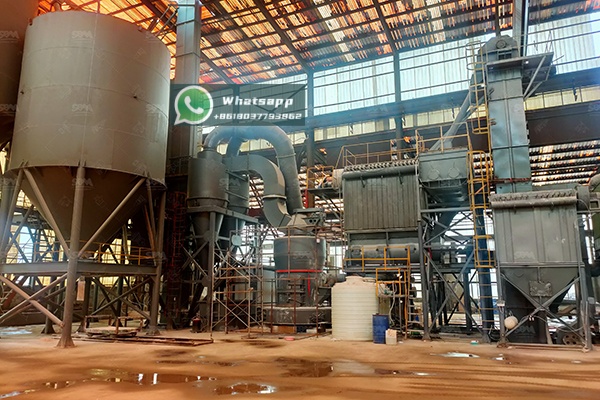
The MTW Trapezium Grinding Mill is a patented grinding solution known for its compact structure, long service life, and eco-friendly design. It is suitable for processing materials with a maximum input size of up to 50 mm and can produce final products as fine as 0.038 mm. Because the final size range covers 1.6 mm to 0.045 mm, it can easily be adjusted to produce 150 mesh, or approximately 0.10 mm, calcium carbonate for casting sand. The MTW mill uses a curved grinding chamber, high-efficiency classifier, and optimized roller and ring design to improve grinding efficiency and reduce energy consumption.
For Malaysian casting sand producers, the MTW mill offers several practical advantages. It has a relatively small footprint, making it suitable for existing plants with limited space. The system is stable and easy to operate, and the classifier can be adjusted to maintain a consistent 150 mesh product. The mill also performs well with moderate moisture and hardness, provided that proper drying and feeding are arranged. Depending on the required capacity, models from MTW110 to MTW215G can be selected.
| Model | Max. Feed Size (mm) | Final size (mm) | Capacity (t/h) | Main motor (kW) | Fan motor (kW) |
|---|---|---|---|---|---|
| MTW110 | <30 | 1.6-0.045 | 3-9 | 55 | 55 |
| MTW110Z | <30 | 1.6-0.045 | 3-10 | 55 | 55 |
| MTW138Z | <35 | 1.6-0.045 | 6-17 | 90 | 110 |
| MTW175G | <40 | 1.6-0.045 | 9.5-25 | 160 | 200 |
| MTW215G | <50 | 1.6-0.045 | 15-45 | 280 | 315 |
For a foundry additive line requiring 3 to 10 t/h, the MTW110 or MTW110Z can be a practical starting point. For larger casting sand suppliers requiring 15 to 45 t/h, the MTW215G provides high capacity with a main motor of 280 kW and fan motor of 315 kW. The final product fineness can be controlled through the classifier, so the same mill can switch between different casting sand specifications if needed.
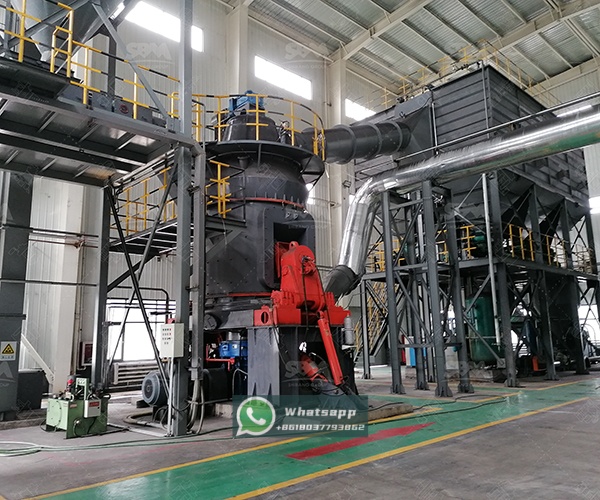
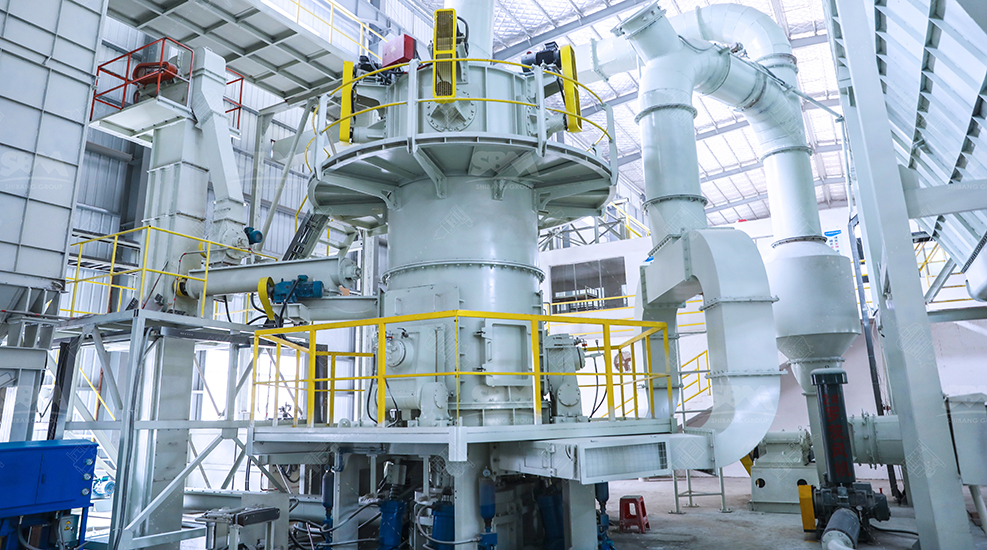
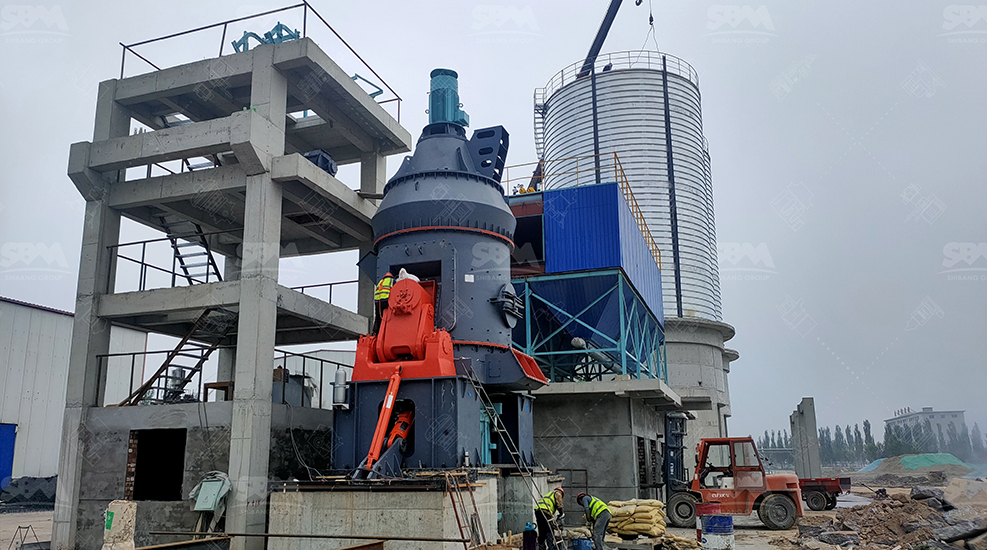
The LM Vertical Grinding Mill is another excellent choice for 150 mesh calcium carbonate production. It integrates crushing, grinding, powder selection, drying, and material conveying into one system. This compact design reduces civil construction requirements and occupies less floor space than a traditional ball mill circuit. The LM mill produces a fine, uniform final powder and is recognized as an eco-friendly production solution with low noise and reduced dust emission.
For high-capacity casting sand operations in Malaysia, the LM Vertical Mineral Mill Series is particularly attractive. It can process materials with feed sizes up to 50 mm and has an output fineness range of 170 to 40 microns. Since 150 mesh is about 100 microns, the LM mill can operate comfortably within its normal control range. The vertical grinding principle also allows effective drying of moist feed material, which is useful in humid regions. The classifier ensures a sharp cut point, helping maintain consistent particle size distribution for casting sand additive applications.
| Model | Plate diameter (mm) | Capacity (t/h) | Output fineness (μm) | Max feed size (mm) | Main motor (kW) |
|---|---|---|---|---|---|
| LM130K | 1300 | 10-28 | 170-40 | <38 | 200 |
| LM190K | 1900 | 23-68 | 170-40 | <45 | 500 |
| LM280K | 2800 | 50-170 | 170-45 | <50 | 1250 |
If a Malaysian plant needs 10 to 28 t/h of 150 mesh calcium carbonate, the LM130K is a strong option. For larger projects, the LM190K and LM280K can deliver 23 to 68 t/h and 50 to 170 t/h respectively. These models are suitable for centralized production facilities supplying multiple foundries or for companies that also process other industrial minerals. The LM mill can be equipped with automatic control, internal circulation, and advanced dust collection to support safe and clean operation.
A complete 150 mesh calcium carbonate grinding plant in Malaysia typically includes material storage, feeding, crushing, grinding, classification, dust collection, and product packaging. If the raw material is large limestone or marble, a jaw crusher or hammer mill may be used for primary crushing. The crushed material is then fed into the MTW or LM mill at a controlled rate. The classifier separates the 150 mesh product from oversize particles, which are returned for further grinding. A pulse jet dust collector captures fine dust and helps maintain a clean working environment.
For casting sand applications, the final product should be stored in a dry, protected silo or bulk bag to prevent moisture absorption. If the calcium carbonate will be blended with silica sand or other aggregates, accurate weighing and mixing equipment should be used. The grinding line can also include iron removal, because metallic contamination can affect casting quality. Shanghai Zenith can provide process design, equipment selection, installation guidance, and after-sales support for Malaysian customers.
Producing 150 mesh calcium carbonate is not only about achieving a target mesh number. Quality control should monitor particle size distribution, moisture content, chemical purity, and contamination. A narrow particle size distribution is often preferred because it promotes consistent blending and predictable mold behavior. The percentage passing 150 mesh and the percentage retained on finer screens should be checked regularly. If the product contains too many coarse particles, it may not disperse evenly. If it contains too many ultrafine particles, dust and binder consumption may increase.
Moisture is another critical factor. In Malaysia’s humid climate, calcium carbonate powder can absorb moisture during storage and transport. A moisture content that is too high can cause caking and poor flow. The grinding system should use hot air or waste heat when necessary to dry the material. The finished powder should be stored in sealed bags or silos. Regular testing of loss on ignition, calcium carbonate content, and acid-insoluble matter can also help ensure that the additive performs reliably in the foundry.
Shanghai Zenith Machinery Co., Ltd. is an excellent manufacturer of ore grinding equipment in China and has made great achievements in the field of ultra-fine powder grinding. The company specializes in research, development, and production of industrial powder grinding equipment and related devices. Its main products include the MTW Trapezium Grinding Mill, Ball Mill, MTM Medium-Speed Grinding Mill, Raymond Mill, LM Vertical Grinding Mill, LUM Ultrafine Vertical Mill, XZM Ultrafine Grinding Mill, and Hammer Mill.
For Malaysian customers, Zenith can recommend the most suitable model based on raw material hardness, moisture, feed size, target fineness, capacity, and site conditions. The MTW Trapezium Grinding Mill is an excellent choice for flexible 150 mesh production, while the LM Vertical Grinding Mill is ideal for high-capacity, integrated drying and grinding. Both options can be configured with reliable motors, classifiers, dust collectors, and wear-resistant parts to create a complete and efficient casting sand additive production line.
Calcium carbonate at 150 mesh is a valuable additive for casting sand in Malaysia. It can support better mold performance, smoother surface finish, and more consistent casting quality when produced with the right particle size and purity. To achieve reliable 150 mesh output at competitive cost, foundries and mineral processors should choose a grinding mill that offers efficient classification, stable operation, low energy consumption, and easy maintenance. Shanghai Zenith Machinery Co., Ltd. provides the MTW Trapezium Grinding Mill and LM Vertical Grinding Mill as proven solutions for this application. With proper process design and quality control, Malaysian producers can build a productive calcium carbonate grinding line that meets the demands of the local casting industry.