Kaolin, also known as china clay, is a vital raw material in the glass industry, prized for its ability to improve the mechanical strength, thermal stability, and optical clarity of glass products. In the United Arab Emirates (UAE), the glass manufacturing sector has witnessed robust growth driven by construction, automotive, and consumer goods industries. The demand for high-quality, finely ground kaolin with consistent particle size distribution (typically 200–325 mesh) is essential for producing flat glass, container glass, and specialty glass. A grinding mill capable of delivering 1–3 tons per hour (tph) with precise fineness control is a key asset for small to medium-sized glass producers in the UAE.
The choice of a kaolin grinding mill directly impacts production efficiency, energy consumption, and final product quality. For operations requiring a capacity range of 1–3 tph, the equipment must offer flexibility, low maintenance, and the ability to handle the abrasive nature of kaolin. Shanghai Zenith Machinery Co., Ltd., a premier Chinese manufacturer of ore grinding equipment, provides several proven solutions that meet these exacting requirements. This article explores the technical considerations for kaolin grinding in glass making and recommends two outstanding models from Zenith’s portfolio.
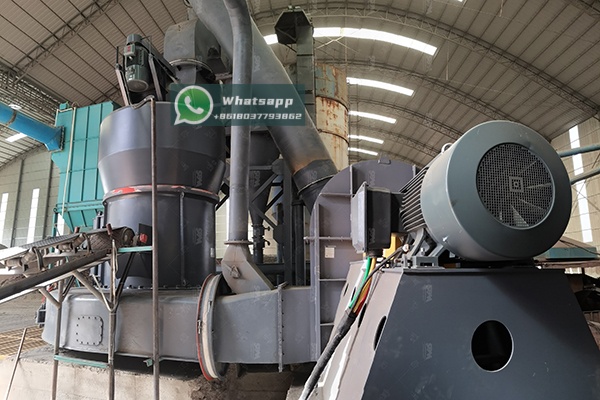
In glass formulations, kaolin serves as a source of alumina (Al₂O₃) and silica (SiO₂). The alumina content enhances the glass’s hardness, chemical durability, and resistance to thermal shock. However, to achieve uniform melting and avoid defects such as bubbles, streaks, or crystalline inclusions, the kaolin powder must be ground to a fine, homogeneous consistency. A typical specification for glass-grade kaolin requires a particle size of 80% passing 325 mesh (44 µm), with low moisture content (below 1%) and controlled iron oxide levels to prevent discoloration.
The grinding process must also account for the soft, platy structure of kaolin, which can cause clogging or over-grinding in poorly designed mills. Traditional Raymond mills have long been the workhorse for kaolin processing, while modern trapezium and vertical mills offer enhanced efficiency and reduced downtime. For the 1–3 tph capacity range, the YGM8314 Raymond Mill and the MTW110Z Trapezium Grinding Mill from Zenith stand out as ideal choices, combining proven reliability with advanced features tailored to the UAE’s operational environment.
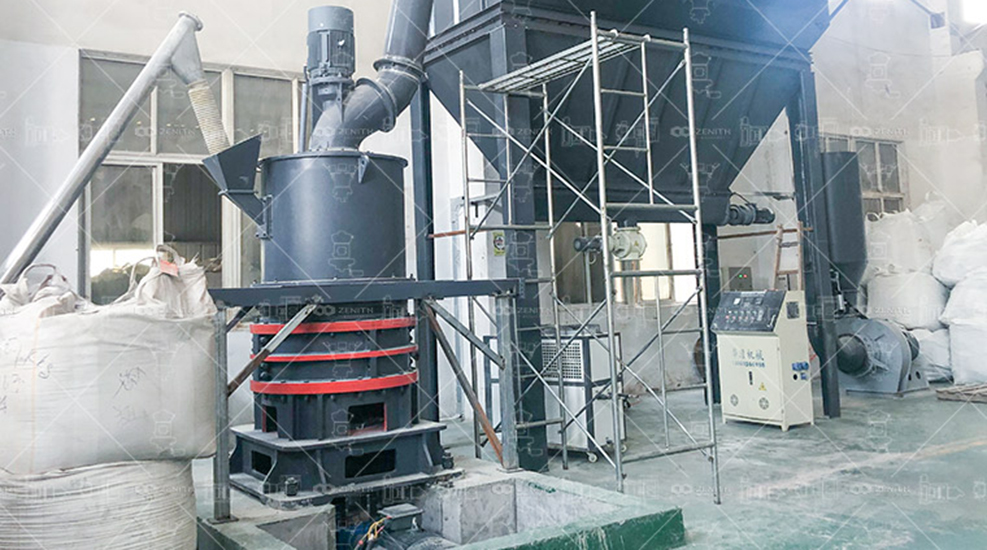
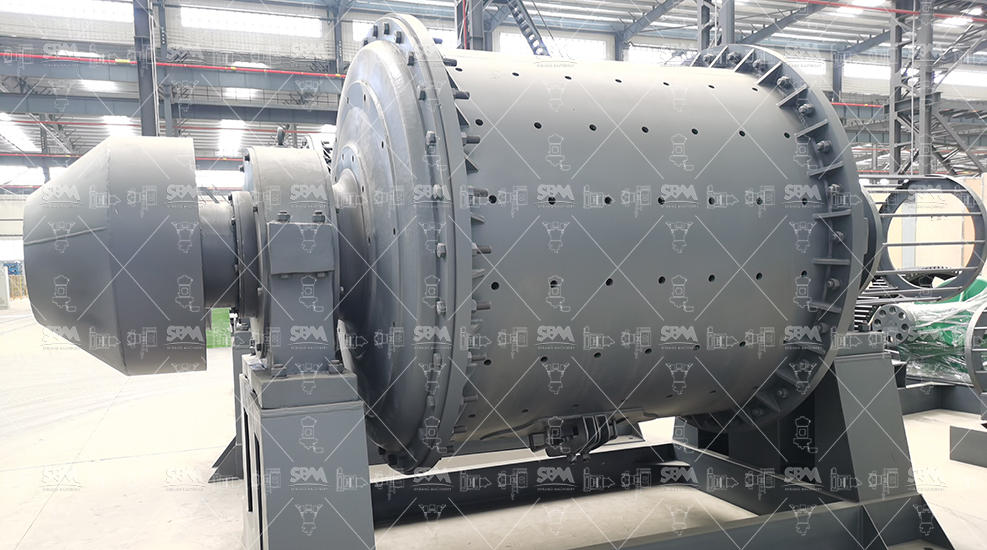
Shanghai Zenith Machinery Co., Ltd. has established itself as an excellent manufacturer of ore grinding equipment in China, with extensive expertise in ultra-fine powder grinding. The company’s research, development, and production focus on industrial powder grinding equipment and related machinery. Their product line includes MTW Trapezium Grinding Mill, Ball Mill, MTM Medium-Speed Grinding Mill, Raymond Mill, LM Vertical Grinding Mill, LUM Ultrafine Vertical Mill, XZM Ultrafine Grinding Mill, and Hammer Mill. Each machine is engineered to deliver high throughput, low energy consumption, and superior product quality, making Zenith a preferred supplier for glass manufacturers in the Middle East.
For the specific demand of 1–3 tph kaolin grinding, Zenith offers two standout models: the YGM8314 Raymond Mill and the MTW110Z Trapezium Grinding Mill. Both have been successfully deployed in similar applications across the UAE and neighboring countries, handling feed sizes up to 20–30 mm and producing final product fineness ranging from 1.6 mm down to 45 microns (325 mesh).
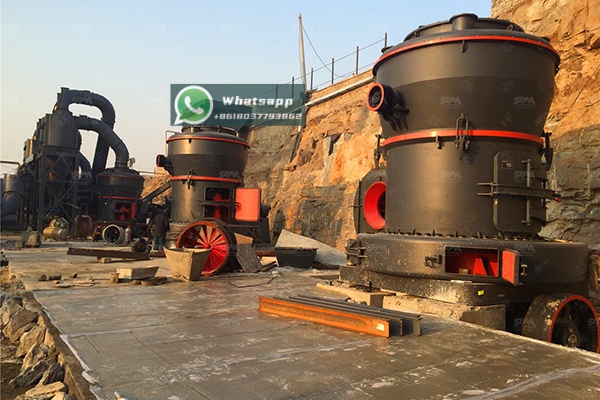
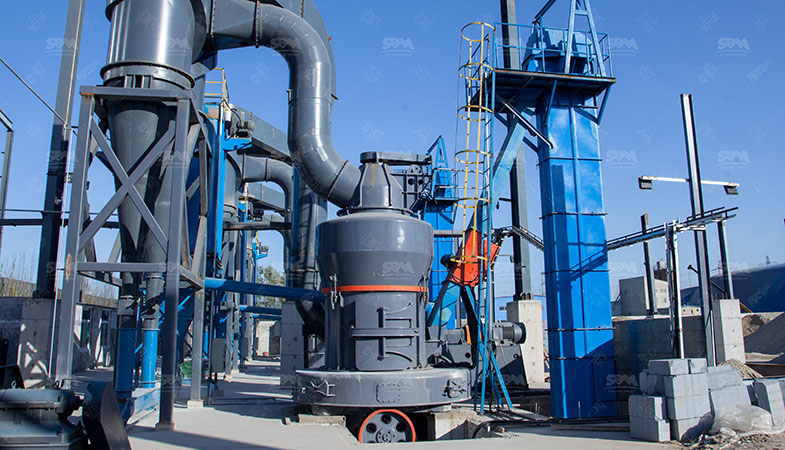
The YGM8314 Raymond Mill is a classic, cost-effective solution for small to medium-capacity kaolin grinding. With a roller quantity of 3, a maximum feed size of 20 mm, and a discharge size adjustable from 1.6 mm to 0.045 mm (10–325 mesh), this mill is perfectly suited for the 1–3 tph range. Its nameplate capacity of 1.2–4.6 t/h provides a comfortable margin while staying within the target throughput. The Raymond Mill’s low energy consumption, compact footprint, and ease of maintenance make it an excellent entry-level choice for glass manufacturers who prioritize reliability and simple operation.
Key advantages of the YGM8314 include its robust grinding ring and roller design, which withstands the abrasive nature of kaolin, and its integral air separation system that ensures consistent particle size distribution. The mill is also equipped with a dust collector to meet UAE environmental regulations. Below is the technical specification table for the YGM8314 Raymond Mill.
| Parameter | Value |
|---|---|
| Roller Quantity (pcs) | 3 |
| Max. Feed Size (mm) | 20 |
| Discharging Size (mm) | 1.6 – 0.045 |
| Capacity (t/h) | 1.2 – 4.6 |
| Main Motor Power (kW) | 22 |
| Fan Motor Power (kW) | 15 |
| Weight (t) | 8.5 |
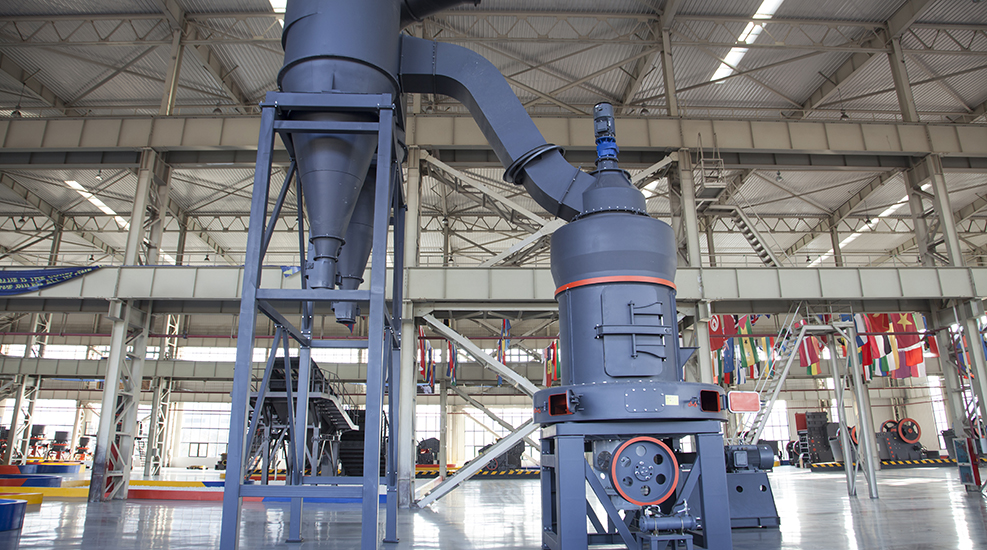
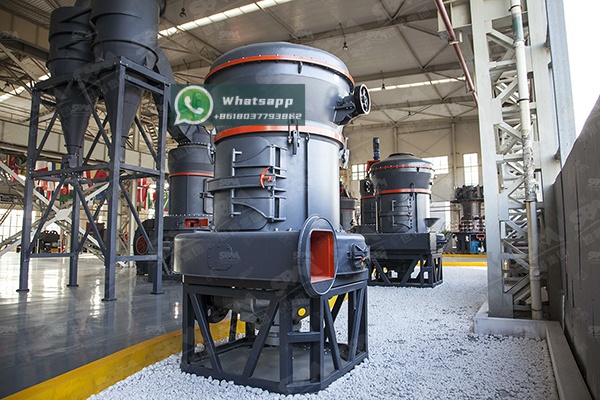
For glass manufacturers seeking higher efficiency and more advanced automation, the MTW110Z Trapezium Grinding Mill is an excellent upgrade. This mill incorporates Zenith’s patented technology, featuring a compact structure, long service life, and eco-friendly design. With a maximum feed size of 30 mm and a final product fineness of 1.6–0.045 mm, the MTW110Z delivers a capacity range of 3–10 t/h, covering the upper portion of the 1–3 tph requirement with excellent margin. Its trapezoidal grinding rollers and rings reduce material slippage, improving grinding efficiency by 20–30% compared to traditional Raymond mills.
The MTW110Z is particularly suitable for continuous operation in UAE factories where ambient temperatures can exceed 45°C. Its forced-lubrication system and automatic grease injection minimize maintenance downtime. The integrated classifier allows precise adjustment of fineness, ensuring glass-grade kaolin meets stringent quality standards. The following table details the key specifications of the MTW110Z.
| Parameter | Value |
|---|---|
| Max. Feed Size (mm) | <30 |
| Final Size (mm) | 1.6 – 0.045 |
| Capacity (t/h) | 3 – 10 |
| Main Motor (kW) | 55 |
| Fan Motor (kW) | 55 |
| Ring Roll Count | 4 |
| Weight (t) | 15 |
When selecting between the YGM8314 and MTW110Z, consider the following factors:
In the UAE context, where electricity costs are relatively low but labor is expensive, the MTW110Z’s automated features may offer a better total cost of ownership over a 5-year period. Additionally, both mills can be integrated with a drying system if the kaolin feed has high moisture content, a common scenario in humid coastal areas like Dubai or Abu Dhabi.
The extreme heat and occasional humidity of the UAE demand robust equipment design. Zenith’s mills are constructed with high-grade steel and corrosion-resistant coatings. The MTW110Z’s enclosed gearbox and sealed bearings prevent dust ingress, while the YGM8314’s open design facilitates heat dissipation. For glass-grade kaolin, it is recommended to operate the mill in a controlled environment with proper ventilation. Both models can be paired with a baghouse dust collector to comply with UAE environmental standards (e.g., dust emissions below 20 mg/Nm³).
Furthermore, the local availability of spare parts and after-sales support is critical. Zenith has established service centers in the Middle East, including a regional office in Dubai, ensuring prompt technical assistance and supply of wear parts such as grinding rollers, rings, and classifier blades.
Choosing the right kaolin grinding mill is a strategic decision that impacts product quality and operational efficiency. For glass manufacturers in the UAE requiring 1–3 tph capacity, the YGM8314 Raymond Mill and MTW110Z Trapezium Grinding Mill from Shanghai Zenith Machinery Co., Ltd. offer proven performance, durability, and flexibility. The YGM8314 is the economical workhorse for smaller operations, while the MTW110Z delivers higher throughput and advanced automation for growing factories. Both machines are backed by Zenith’s decades of experience in ore grinding and a commitment to innovation.
To discuss your specific kaolin grinding needs or request a quotation, contact Zenith’s UAE office or visit our website for detailed product brochures. Invest in a mill that not only meets your current capacity but also supports your future growth in the competitive glass-making market.