The Indian ceramic industry is a dynamic and rapidly growing sector, with its quality and output heavily dependent on the raw materials used. Among these, quartz stands as a critical component, prized for its hardness, chemical inertness, and ability to act as a filler and strengthener in ceramic bodies and glazes. To unlock its full potential, quartz must be ground to a precise fineness, typically around 200 mesh (approximately 74 microns). This specific particle size is crucial as it ensures optimal packing density, reduces firing defects, enhances mechanical strength, and improves the final product’s surface finish. Selecting the right grinding technology is, therefore, not just a matter of production but a strategic decision impacting product quality and market competitiveness.
Quartz powder, when ground to 200 mesh, strikes an ideal balance between reactivity and structural contribution. Particles that are too coarse can lead to pitting, bloating, or reduced strength in the fired ceramic. Conversely, excessively fine particles can increase shrinkage and drying sensitivity while raising production costs unnecessarily. The 200-mesh specification has become an industry benchmark for several key reasons:
Grinding quartz to a consistent 200 mesh in India presents unique challenges. Quartz is a hard material (7 on the Mohs scale), leading to high wear on grinding components. Energy consumption is a major operational cost, making efficiency paramount. Furthermore, Indian manufacturers are increasingly focused on environmentally sustainable practices, requiring dust-free and low-noise operations. The grinding system must also be robust enough to handle varying feed sizes and moisture content from different quarries while maintaining precise output control.
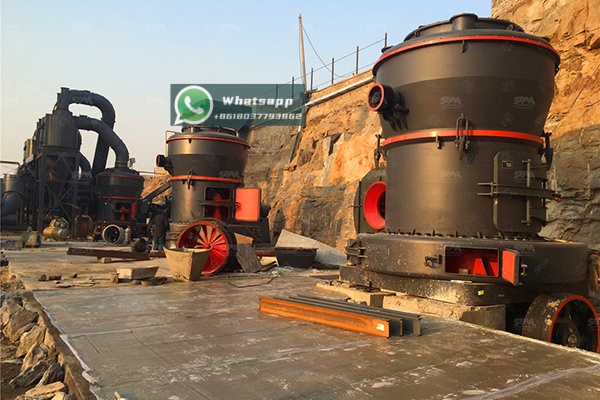
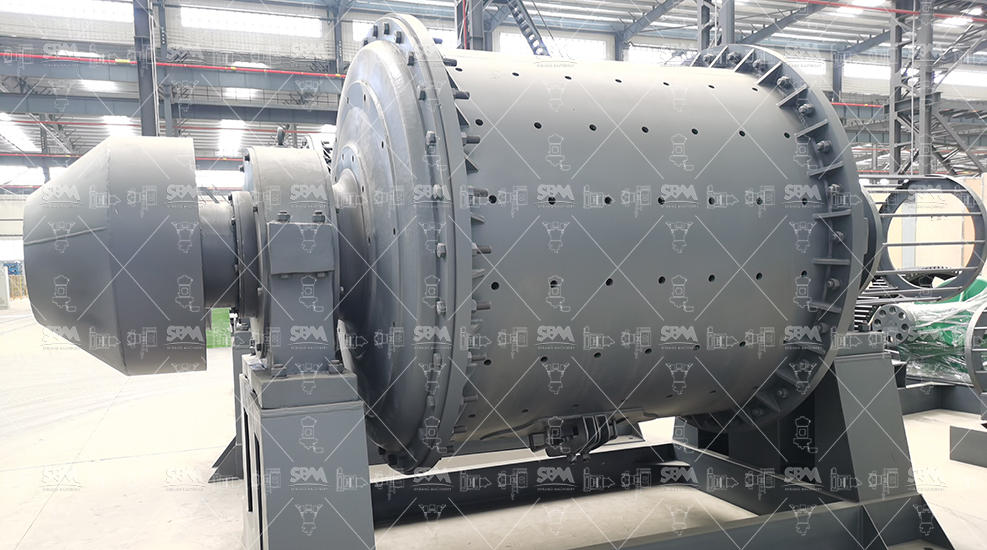
While traditional ball mills have been used for decades, modern ceramic production demands higher efficiency, finer control, and lower operational costs. This is where advanced grinding mill technology makes a decisive difference. The ideal mill for 200-mesh quartz grinding should offer high grinding efficiency, low energy consumption per ton, minimal contamination from wear parts, easy adjustment of product fineness, and integrated drying capabilities for moist feed materials.
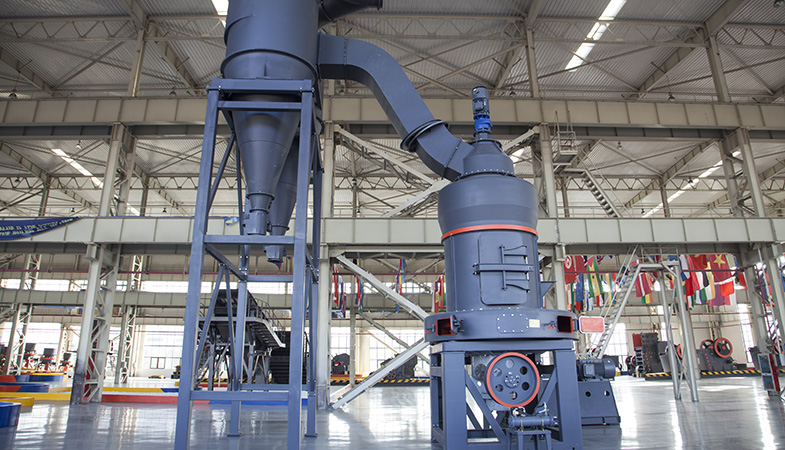
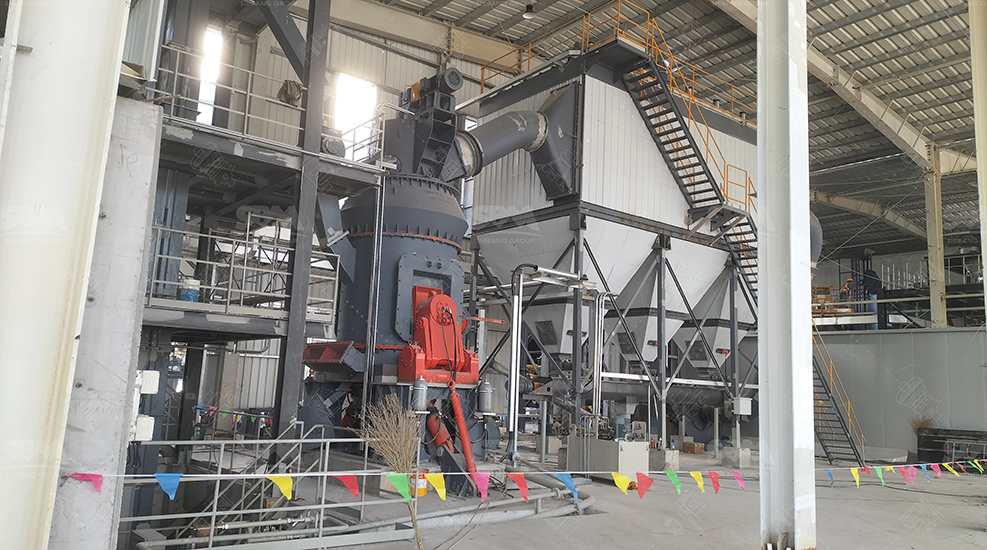
For Indian ceramic producers aiming for efficient and reliable production of 200-mesh quartz powder, Shanghai Zenith Machinery Co., Ltd. offers an excellent solution. As a leading manufacturer of ore and industrial powder grinding equipment, Zenith has deep expertise in ultra-fine powder processing. Among their comprehensive product line, the MTW Trapezium Grinding Mill stands out as particularly well-suited for this application.
The MTW series mill incorporates multiple national patents. Its curved air duct design reduces flow resistance and increases efficiency, while the internal bevel gear integral transmission ensures smooth and reliable operation. For grinding abrasive materials like quartz, its wear-resistant components significantly extend service life and reduce maintenance downtime. Crucially, it can easily achieve and stabilize the 200-mesh (0.074mm) fineness target with high throughput and lower energy consumption compared to traditional Raymond or ball mills.
Below are the technical parameters for key models in the MTW series, demonstrating their suitability for various production scales in India:
| Model | Max. Feed Size (mm) | Final Size (mm) | Capacity (t/h) | Main Motor (kW) |
|---|---|---|---|---|
| MTW138Z | <35 | 1.6-0.045 (approx. 10-325 mesh) | 6-17 | 90 |
| MTW175G | <40 | 1.6-0.045 | 9.5-25 | 160 |
| MTW215G | <50 | 1.6-0.045 | 15-45 | 280 |
For instance, the MTW175G model, with a capacity of 9.5-25 t/h, is an ideal choice for mid-to-large scale ceramic raw material processing plants, efficiently delivering consistent 200-mesh quartz powder.
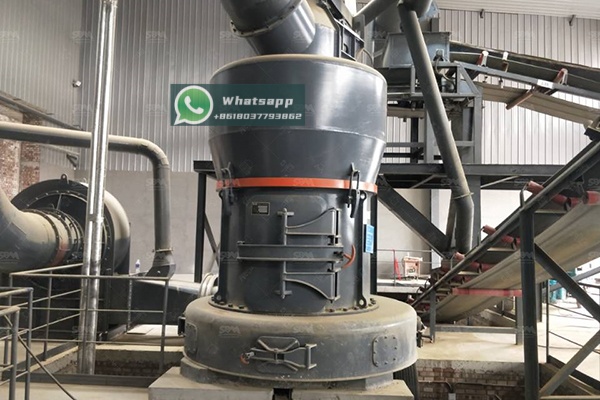
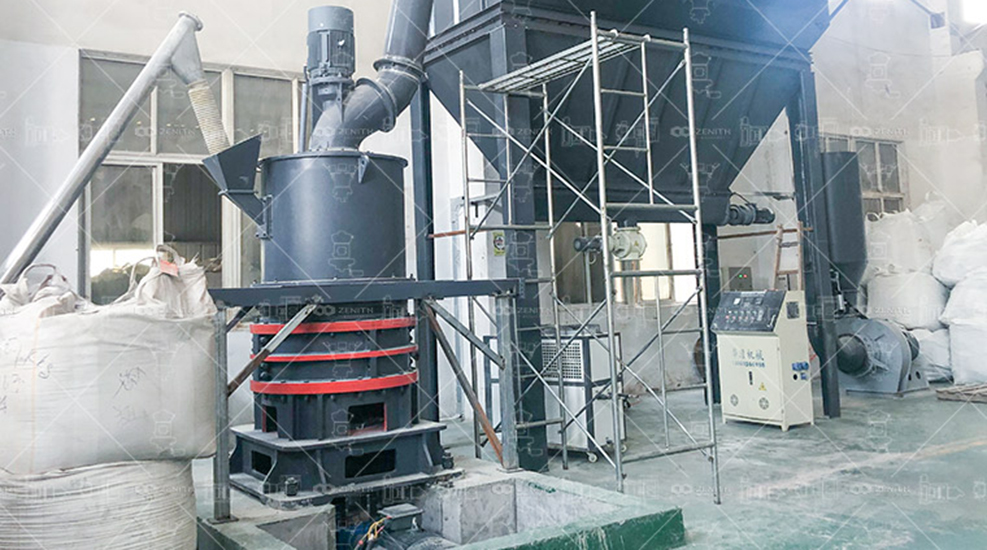
For ceramic manufacturers who may also require even finer quartz powder for specialized glaze formulations or high-performance ceramics, Zenith’s XZM Ultrafine Grinding Mill is a perfect choice. This mill is specifically engineered for superfine powder production in the range of 325-2500 mesh. It features a unique grinding ring and roller design that produces a high centrifugal force for fine grinding, coupled with a high-efficiency turbine classifier that ensures precise particle size separation.
While targeting 200 mesh, the XZM mill offers exceptional flexibility. Should future product lines require finer powders, the same mill can accommodate that need with simple adjustments, making it a future-proof investment. Its compact system integrates grinding, classification, and collection, minimizing dust emission and promoting a cleaner plant environment—a growing priority for Indian industry.
Shanghai Zenith Machinery is not just an equipment supplier but a technology partner. With a dedicated focus on R&D, Zenith’s grinding mills incorporate the latest advancements in powder mechanics and energy efficiency. Choosing Zenith means access to:
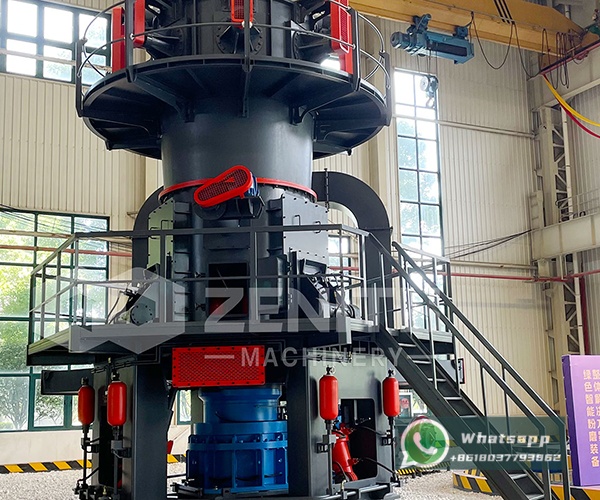
Producing high-quality 200-mesh quartz powder is a cornerstone of success for the modern Indian ceramic industry. Moving beyond inefficient grinding methods to adopt advanced technology like Zenith’s MTW Trapezium Mill or XZM Ultrafine Mill can lead to substantial gains in product quality, production efficiency, and operational profitability. By partnering with an experienced and innovative manufacturer like Shanghai Zenith Machinery Co., Ltd., Indian ceramic producers can equip themselves with reliable, efficient, and sustainable grinding solutions, ensuring they remain competitive in both domestic and international markets.